



Understanding Glyphosate A Systemic Herbicide for Weed Control
Share:
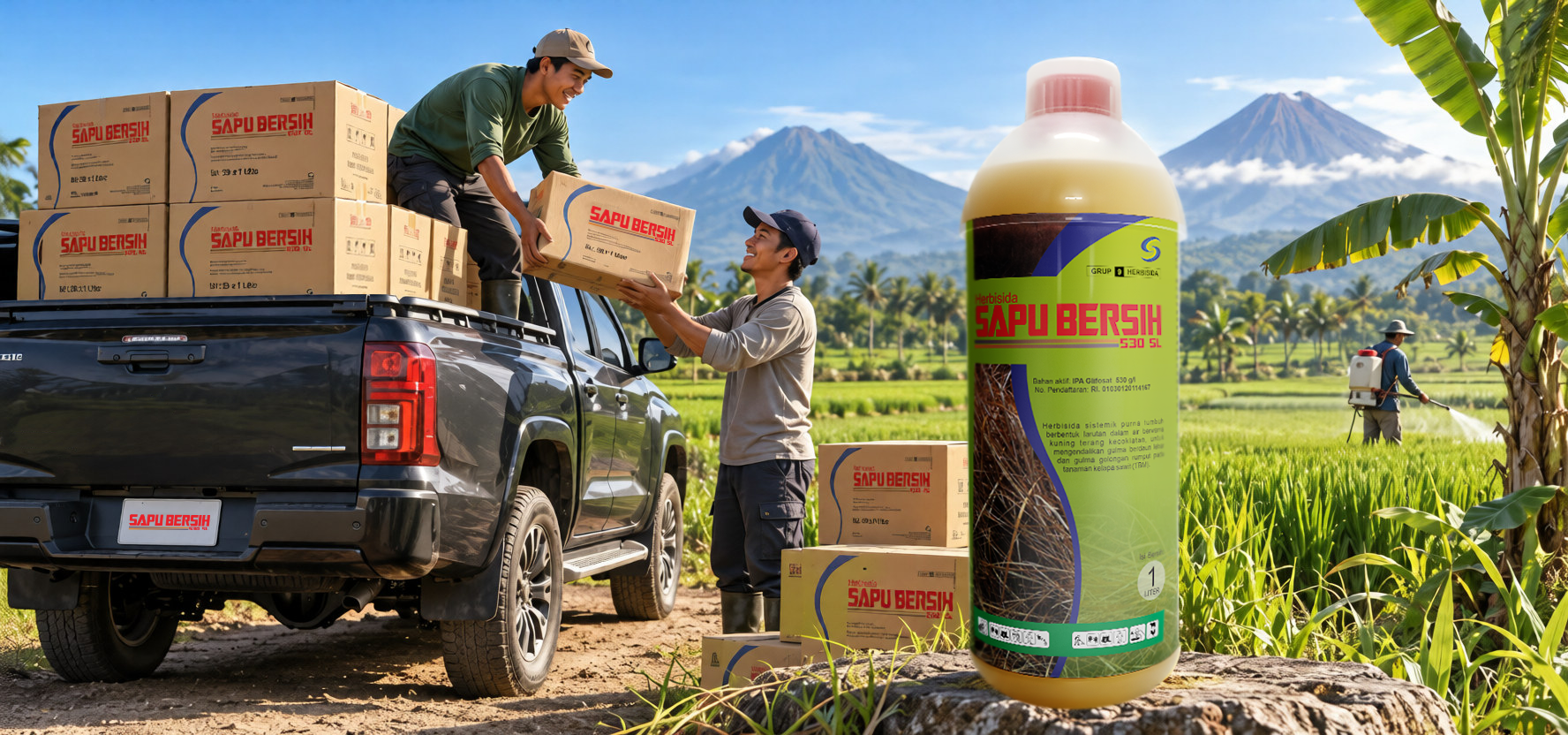
About Article
SGI - Glyphosate, the Most Widely Used Herbicide in the World
Today, challenges in the field are becoming increasingly evident, ranging from weeds that quickly regrow to the growing risk of weed resistance to glyphosate.
Pesticides are widely used in modern agriculture and are an effective and economical way to improve the quality and quantity of crop yields, thereby ensuring food security for the continuously growing global population. Around 2 million tons of pesticides are used worldwide each year, with China as the main contributor, followed by the United States and Argentina, and usage continues to increase rapidly. However, by 2020, global pesticide use was estimated to increase to 3.5 million tons.
Glyphosate Is More Than Just a “Weed Killer”
SGI Friends, in the field glyphosate is often simply known as an active ingredient used to control weeds. However, behind this single name is a fairly specific mode of action. Glyphosate is absorbed mainly through the green parts of plants, moves within plant tissues, and then reaches growing points that are not directly exposed to the spray. Because of this characteristic, glyphosate is known as a systemic herbicide.
What Is Glyphosate?
As is widely known, glyphosate herbicide is a chemical substance that can stop weed growth temporarily or permanently when required and when used at the proper dose. Selecting the appropriate herbicide for weed control in oil palm or rubber plantations is very important. Selection is carried out by considering the herbicide’s efficacy against weeds and whether or not it causes phytotoxicity to crops. One of the herbicides used to control weeds in productive rubber plantations is a herbicide containing glyphosate isopropylamine as its active ingredient.
Weed control can be carried out through cultural, mechanical, physical, chemical, and integrated control methods. One appropriate method of weed control is chemical control. Among the available control techniques, chemical control is a rapid method for killing target weeds.
Glyphosate is a non-selective systemic herbicide that is widely used in agriculture because of its effectiveness in controlling various types of weeds. This compound works by inhibiting 5-enolpyruvylshikimate-3-phosphate synthase (EPSP synthase) in the shikimic acid pathway, which plays an important role in the formation of aromatic amino acids such as tryptophan, tyrosine, and phenylalanine, thereby inhibiting the protein synthesis needed by plants for growth. One commonly used form of glyphosate formulation is glyphosate isopropylamine, which can be translocated throughout the plant, including root tissues below the soil surface. Glyphosate isopropylamine is a systemic herbicidal active ingredient with a broad, non-selective control spectrum. Glyphosate can affect plant pigments until chlorosis occurs, causing growth to stop and the plant to die.
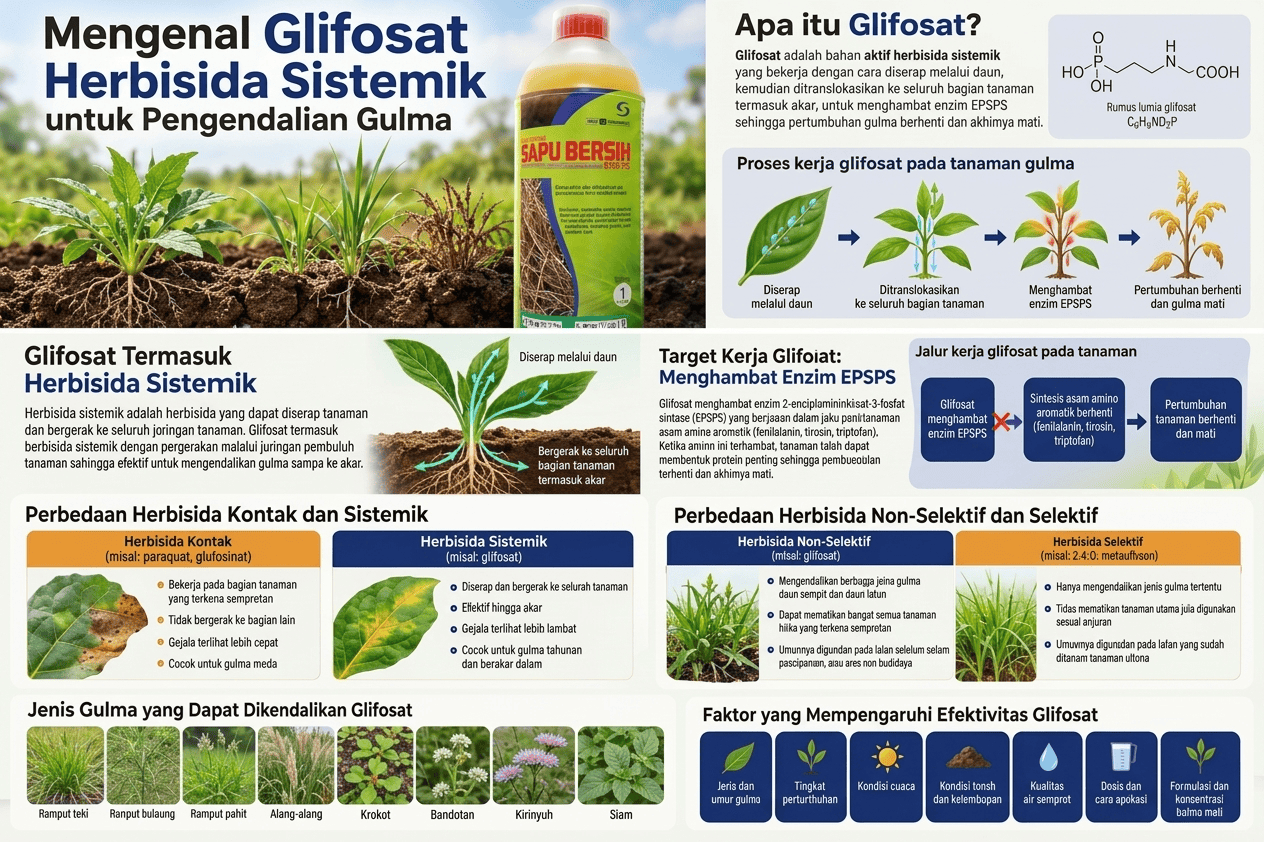
Figure 2. Summary of glyphosate mode of action, systemic characteristics, non-selective nature, target weeds, and application factors.
Why Is Glyphosate Called a Systemic Herbicide?
The term “systemic” explains how the herbicide moves after entering the plant. A systemic herbicide does not remain only on the leaf surface that receives the spray. Once absorbed, the active ingredient can move through vascular tissues to other parts of the plant. In glyphosate, movement mainly follows the flow of photosynthates through the phloem toward actively growing tissues, such as shoot growing points, roots, rhizomes, or storage organs.
This is one reason glyphosate is often used for both annual and perennial weeds. In perennial weeds, damaging only the leaves on the surface may not be sufficient because the plant can still regrow from roots, rhizomes, or stolons. A systemic herbicide allows the active ingredient to move to these parts, as long as the weeds are actively growing and the application is carried out correctly.
Systemic and Non-Selective Are Two Different Things
In the field, the terms “systemic,” “selective,” and “non-selective” are often confused. In fact, selective versus non-selective describes the range of plant groups that may be affected. Therefore, a herbicide can be both systemic and non-selective, as is the case with glyphosate.
Aspect | Non-Selective Herbicide | Selective Herbicide |
Target spectrum | Affects many groups of susceptible plants | Designed to suppress certain weed groups while allowing tolerance in certain cultivated crops |
Risk to the main crop | High if the spray reaches a non-tolerant crop | Lower for crops listed on the label when used according to directions |
Concept example | Glyphosate is an example of a non-selective herbicide | Some grass or broadleaf herbicides are selective in certain crops |
Table. Differences between non-selective and selective herbicides. Glyphosate is both non-selective and systemic.
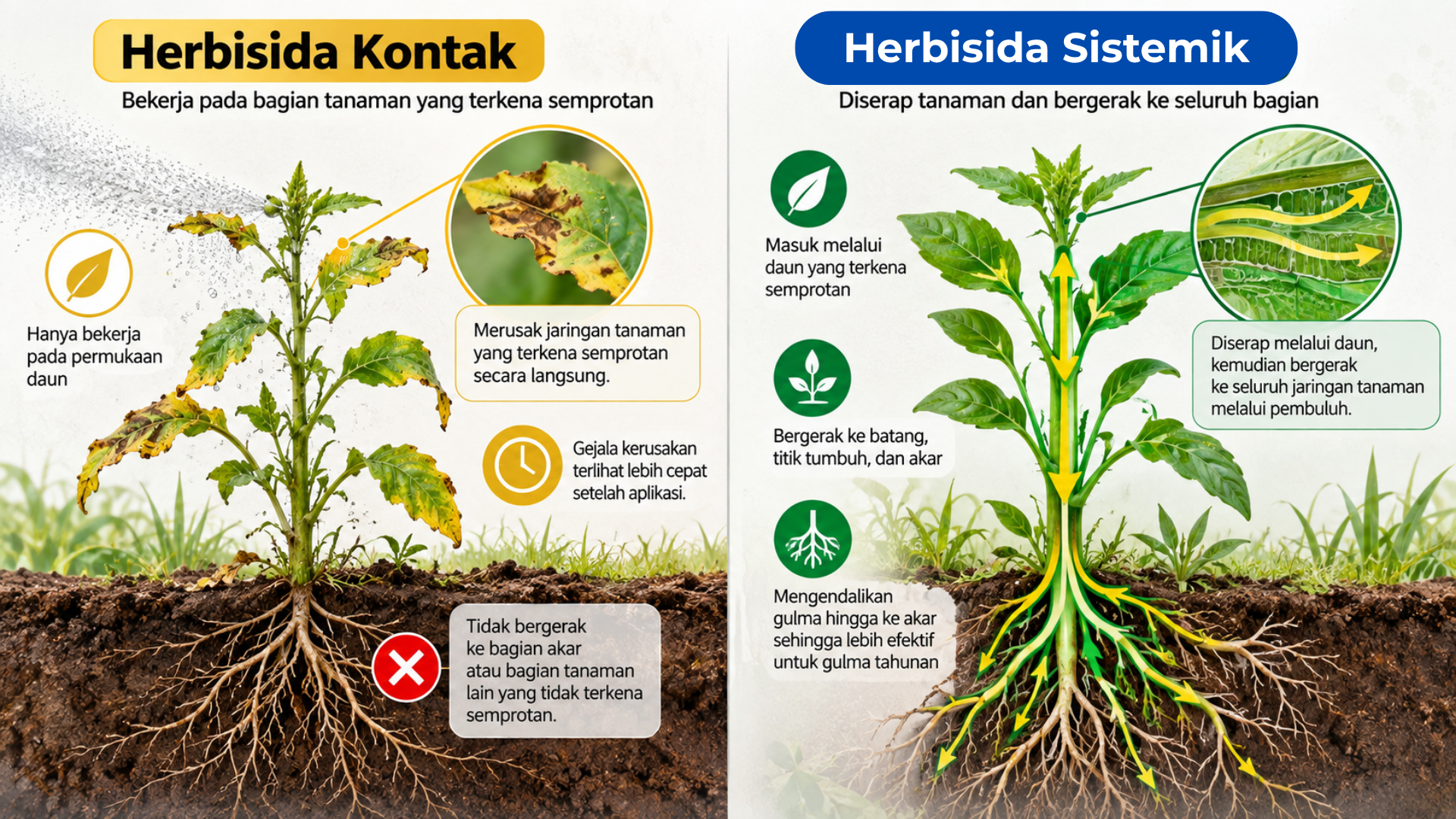
Figure 3. Differences in the mode of action of contact and systemic herbicides within plant tissues.
How Does Glyphosate Work Inside the Plant?
1. Enters Through Green Tissues
After the spray solution reaches a leaf or other green part, glyphosate must penetrate the cuticle layer before entering the cells. This absorption process is influenced by weed species, plant age, humidity, temperature, plant water status, formulation concentration, and additives in the spray solution. Therefore, two applications at the same dose may not produce identical results when weed and environmental conditions differ.
2. Moves Toward Growing Points
After entering the tissue, glyphosate is translocated to actively growing tissues through a pathway similar to the movement of photosynthates. Parts such as root tips, shoots, young leaves, rhizomes, and storage organs become important destinations. This movement is why the effects of glyphosate are not always visible within hours. The active ingredient requires time to be absorbed and moved before metabolic disruption develops into visible symptoms.
3. Inhibits the EPSPS Enzyme in the Shikimate Pathway
The primary target of glyphosate is the enzyme 5-enolpyruvylshikimate-3-phosphate synthase, or EPSPS. This enzyme is an important part of the shikimate pathway used by plants to produce precursor compounds for aromatic amino acids, including phenylalanine, tyrosine, and tryptophan. When EPSPS is inhibited, this metabolic pathway is disrupted and plant growth gradually stops. Scientific literature describes glyphosate as the only major commercial herbicide that directly targets EPSPS.
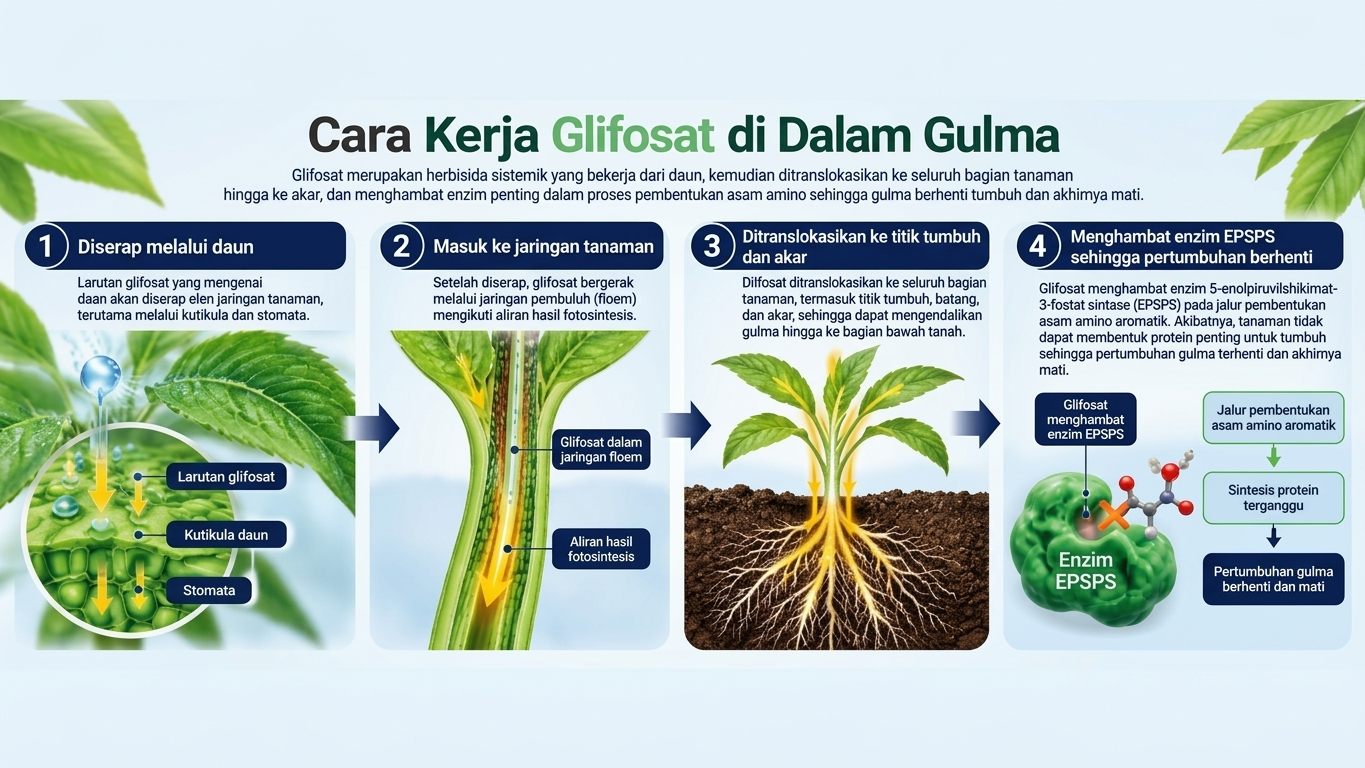
Figure 4. Stages of glyphosate action: leaf absorption, translocation, and inhibition of the EPSPS enzyme.
Why do weeds not immediately “burn” or turn brown? With systemic herbicides such as glyphosate, symptoms that do not appear immediately do not mean that the active ingredient is not working. The slower response actually gives glyphosate time to move to growing points and underground tissues. Therefore, assessing success only a few hours after spraying can be misleading. |
Understanding IPA Glyphosate and How It Works to Control Weeds
IPA Glyphosate is one form of glyphosate active ingredient used in non-selective systemic herbicide formulations. After being absorbed through the leaves, glyphosate is translocated to other parts of the plant and inhibits the EPSPS enzyme, which plays a role in the formation of aromatic amino acids. This process disrupts essential plant metabolism so that the growth of susceptible weeds can be inhibited and the weeds eventually die.
In weed control, formulation characteristics and the ability of the active ingredient to be absorbed and translocated within the plant are important aspects that need to be understood. Sapu Bersih 530 SL from PT Sinar General Industries contains IPA Glyphosate 530 g/L and is formulated as a non-selective post-emergence systemic herbicide to help control broadleaf weeds, narrow-leaf weeds, sedges, and cogon grass, in accordance with the directions for use on the product label.
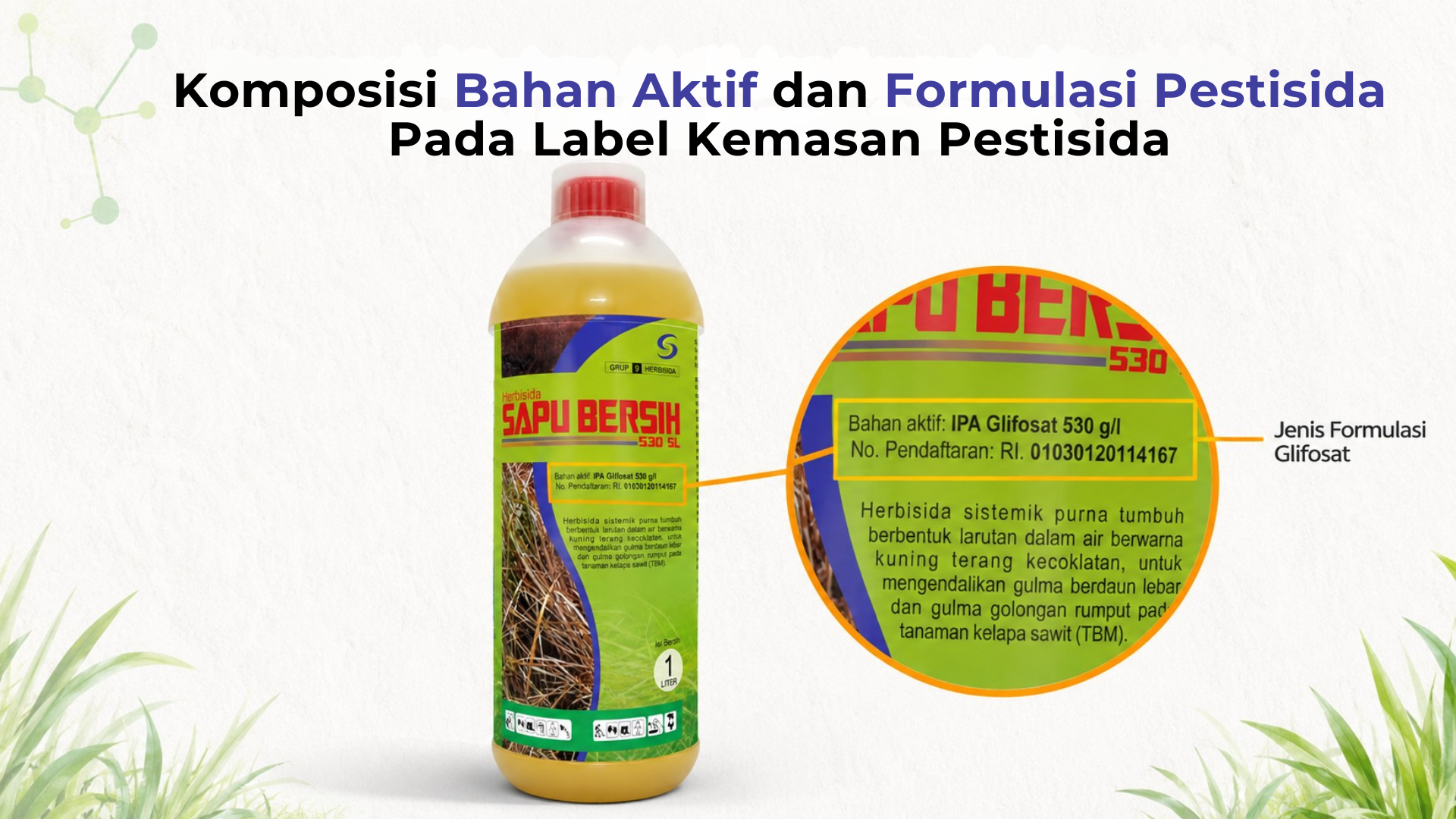
Figure 5. How to read the IPA Glyphosate 530 g/L composition on the Sapu Bersih 530 SL label. Use the label as the primary source before application.
Sapu Bersih 530 SL Formulation with IPA Glyphosate 530 g/L
Sapu Bersih 530 SL from PT Sinar General Industries is a non-selective post-emergence systemic herbicide containing IPA Glyphosate 530 g/L as the active ingredient. This content is one of the advantages of the Sapu Bersih 530 SL formulation in supporting weed control on agricultural land.
With its broad control spectrum, Sapu Bersih 530 SL can be used to help control various types of weeds, including broadleaf weeds, narrow-leaf weeds, sedges, and cogon grass. Its systemic properties allow the active ingredient to move through the tissues of the target plant to support the weed control process.
Sapu Bersih 530 SL can be an option to support land preparation and oil palm crop maintenance. With an IPA Glyphosate 530 g/L formulation, Sapu Bersih 530 SL provides a practical weed control solution to help keep land under control in accordance with the directions for use on the product label.
Factors That Determine Glyphosate Effectiveness in the Field
Weed Condition at the Time of Spraying
Glyphosate works best when weeds are actively growing. Weeds experiencing severe stress due to drought, waterlogging, extreme temperatures, or previous damage may have slower physiological processes. This condition can reduce both absorption and translocation. Because glyphosate depends on movement within the plant, physiologically active weeds are generally more responsive targets than weeds that have stopped growing.
Weed Age and Size
Weeds that are too large or have already formed strong underground organs require greater attention to dose, coverage, and application timing in accordance with the label. On the other hand, very small weeds have less leaf area available to intercept the spray. Therefore, the principle is not simply “the younger, the better,” but rather selecting the growth stage that is appropriate for the target weed and the product directions.
Spray Water Quality
Water makes up the largest portion of a spray solution, but it is often regarded only as a carrier. In fact, hard water with high calcium and magnesium content can interact with glyphosate and reduce absorption. Chemical studies and agricultural extension information indicate that cations in hard water can form complexes with glyphosate, thereby reducing its activity.
SGI Friends do not need to immediately add a water-conditioning agent without a clear basis. A more appropriate step is to identify the water source, check water quality if problems recur, and follow the label instructions regarding additives or water conditioners. Not all formulations require the same treatment.
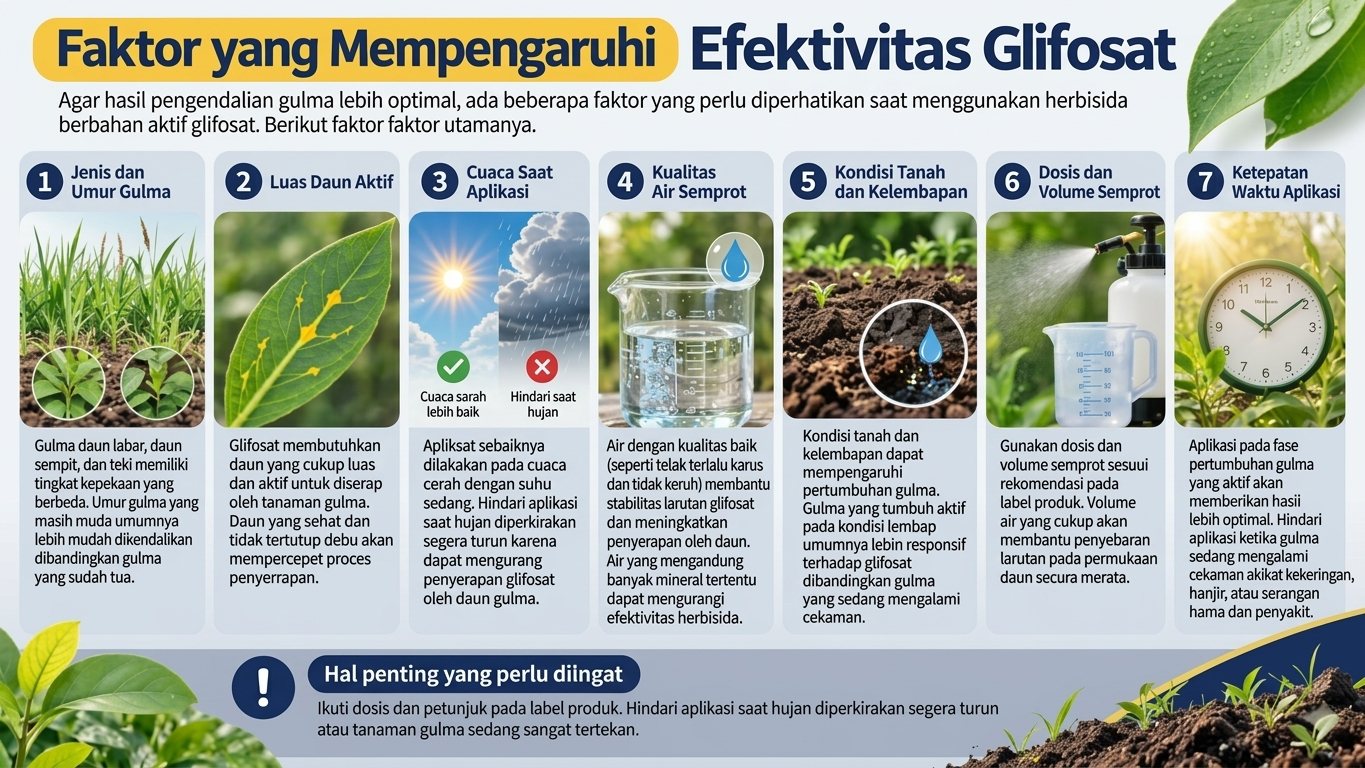
Figure 6. Main factors that can influence glyphosate effectiveness in the field.
Weather, Rain, and Humidity
Because glyphosate needs to remain on the leaf surface long enough to be absorbed, rain that falls too soon after spraying can reduce performance. However, the required rain-free period differs among formulations. Therefore, do not use a single rain-free interval for all products. Always check the label of the product being used. Humidity and plant condition can also affect absorption through changes in cuticle condition and plant water status.
Spraying Technique and Drift
As a non-selective herbicide, glyphosate can damage susceptible crops if they are exposed to the spray. Therefore, spray direction, pressure, droplet size, nozzle height, wind speed, and distance from the main crop need to be controlled. The principle is that the spray solution should reach the target weeds without being wasted, without excessive runoff from the leaves, and without being carried by the wind toward plants that are intended to be retained.
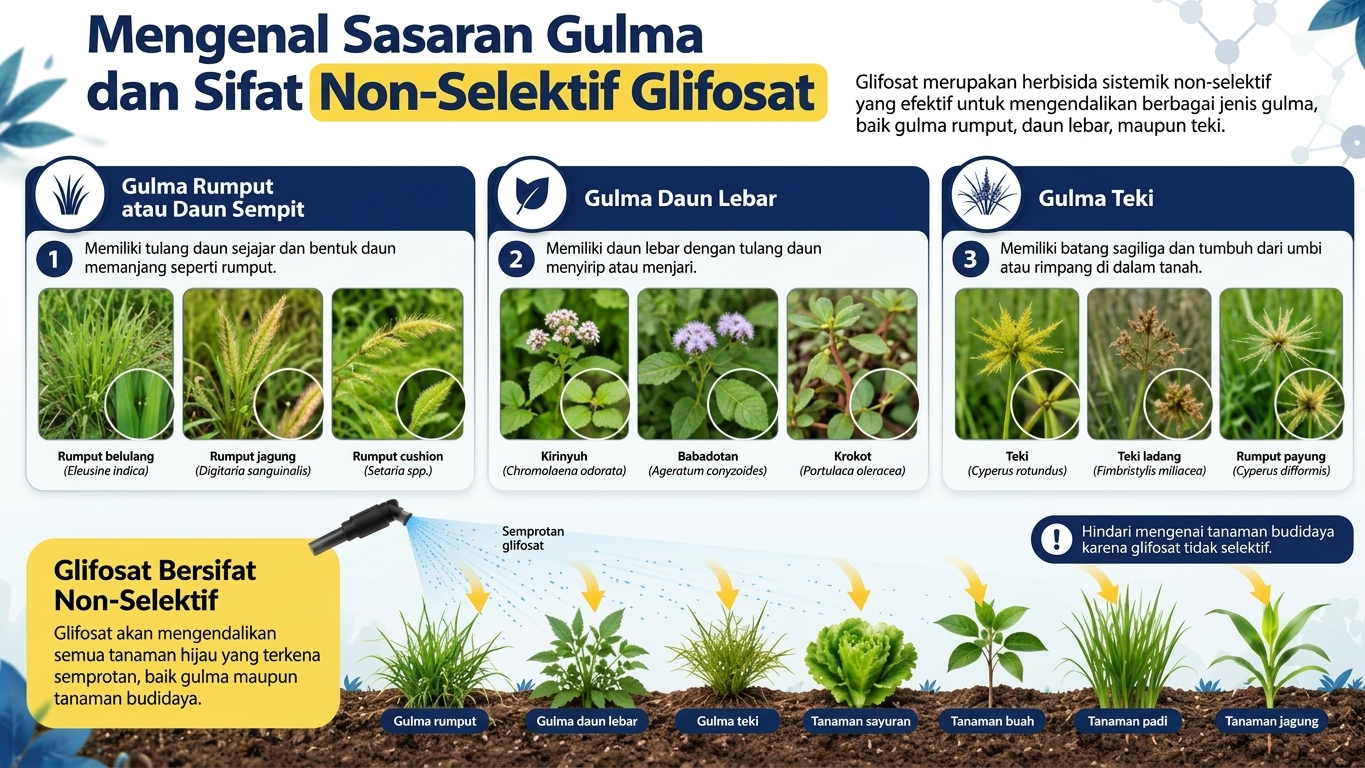
Figure 7. Target weed groups and an illustration of the non-selective nature of glyphosate.
Understanding Glyphosate Helps Improve Weed Control
For SGI Friends, understanding IPA Glyphosate is also important when reading labels and determining the product that suits field conditions. One option containing this active ingredient is Sapu Bersih 530 SL, a broad-spectrum post-emergence systemic herbicide containing IPA Glyphosate 530 g/L. This product is used to help control broadleaf weeds, narrow-leaf weeds, sedges, and cogon grass during land preparation.
Under certain conditions, weed control can be adjusted according to the type and presence of weeds in the field. Sapu Bersih 530 SL can be combined with Sinarfuron 20 WG as an option in a weed control strategy. Sinarfuron 20 WG contains Metsulfuron Methyl 20% and is a systemic pre-emergence and post-emergence herbicide used to help control broadleaf weeds and grasses.
SGI Continues to Support Indonesian Farmers PT Sinar General Industries remains committed to providing solutions for farmers by offering quality products to support crop growth and increase agricultural productivity. If SGI Friends need information about quality fertilizer and pesticide solutions for various types of crops, consult your agricultural needs with us. Visit https://pt-sgi.com/ to obtain product information, consultation services, and agricultural solutions suited to farming needs. |
Referensi Ilmiah dan Artikel Pendukung
1. Duke, S.O. (2018). Kajian sejarah dan status terkini glifosat. Pest Management Science, 74(5), 1027-1034. DOI: 10.1002/ps.4652. Tautan sumber
2. Gomes, M.P., Smedbol, E., Chalifour, A., dkk. (2014). Kajian perubahan fisiologi tumbuhan akibat glifosat dan AMPA. Journal of Experimental Botany, 65(17), 4691-4703. DOI: 10.1093/jxb/eru269. Tautan sumber
3. Travlos, I., Cheimona, N., & Bilalis, D. (2017). Kajian efikasi berbagai formulasi garam glifosat dan adjuvan pada gulma. Agronomy, 7(3), 60. DOI: 10.3390/agronomy7030060. Tautan sumber
4. Kurniadie, D., Widianto, R., Umiyati, U., Widayat, D., Nasahi, C., & Budiawan, A. (2023). Kajian pengelolaan resistensi Eleusine indica terhadap glifosat di Indonesia. Agronomy, 13(6), 1649. DOI: 10.3390/agronomy13061649. Tautan sumber
5. Thelen, K.D., Jackson, E.P., & Penner, D. (1995). Kajian dasar antagonisme air sadah terhadap aktivitas glifosat. Weed Science, 43(4), 541-548. Tautan sumber
6. HRAC Global (2026). Klasifikasi mekanisme kerja herbisida: glifosat sebagai penghambat EPSPS Grup 9. Tautan sumber
7. UC Weed Science. Penjelasan klasifikasi herbisida sistemik, kontak, selektif, dan non-selektif. Tautan sumber
8. Iowa State University Extension. Tinjauan glifosat dan pengaruh kualitas air terhadap efektivitas aplikasi. Tautan sumber
9.Pujisiswanto, H., Rifa'i, M., Evizal, R., Sriyani, N., Susanto, H., & Sembodo, D. R. J. (2026). Efikasi herbisida campuran isopropil amina glifosat 300 g/L + 2,4-D dimetil amina 100 g/L terhadap pengendalian gulma pada budidaya kelapa sawit (Elaeis guineensis Jacq.) tanaman belum menghasilkan. Jurnal Agrotropika, 25(2), 311–326. Tautan Sumber
10.Rahmadi, R., & Rochman, F. (2020). Efikasi herbisida isopropilamina glifosat 480 SL pada gulma perkebunan karet (Hevea brasiliensis [Muell.] Arg.). Jurnal Agrorektan, 7(1). Tautan Sumber
11. GULMA, M. K. P. SELEKTIVITAS HERBISIDA. Tautan Sumber
12. Worldwide pesticide usage and its impacts on ecosystem. Tautan Sumber
 17 October 2026
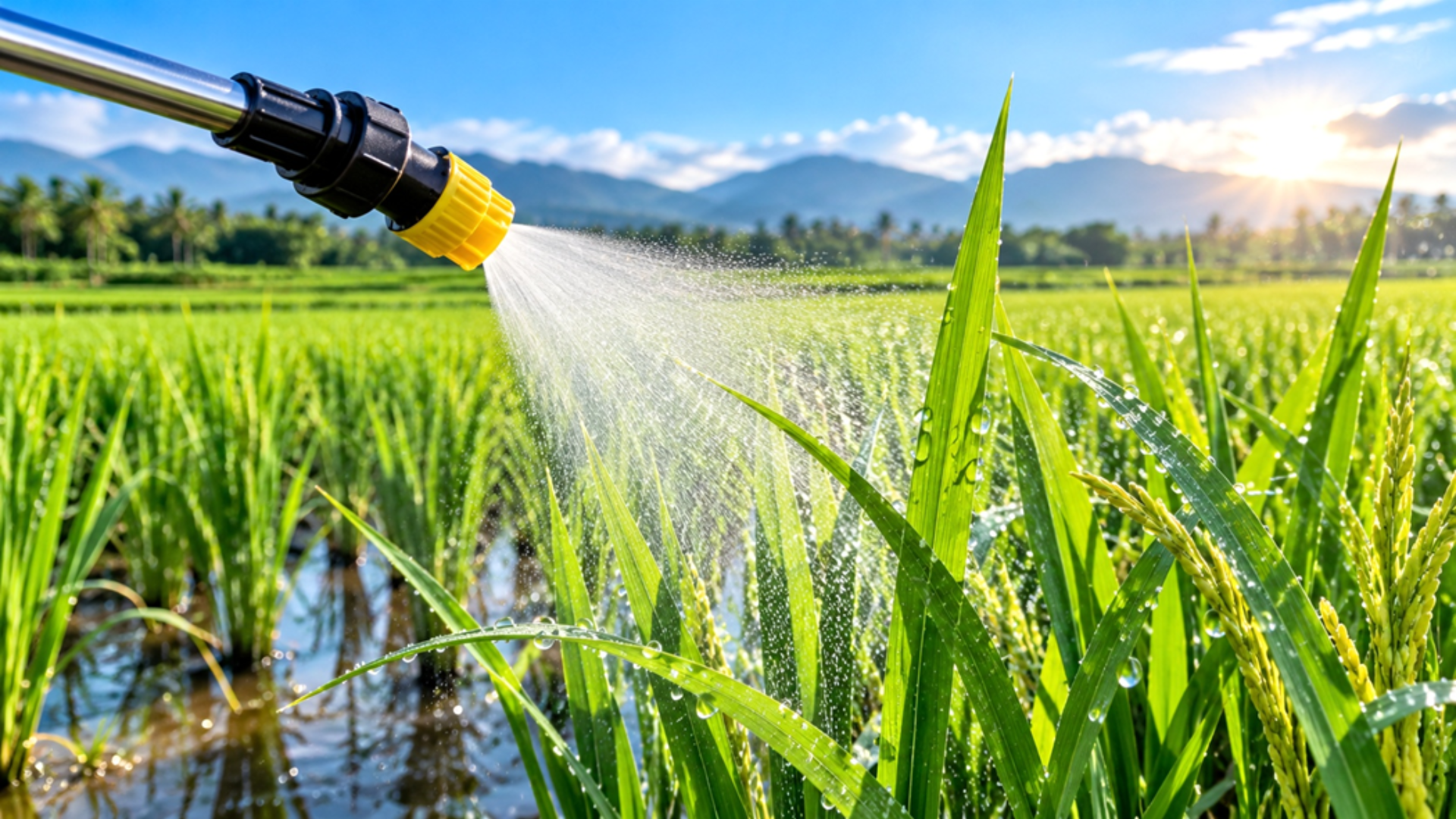
A Nozzle Is More Than Just the Tip of a Sprayer: Here’s How It Affects Spraying
Nozzles determine much more than just the direction of the spray. They also affect droplet size, flow rate, and spray pattern. Let’s take a...
 11 September 2026
Anak Krakatau Volcanic Ash and Its Impact on Agriculture
The eruption of Anak Krakatau has once again drawn attention. The spread of volcanic ash can affect crops and soil to varying degrees. SGI m...
 05 September 2026
5 Tips for Safely Dealing with El Niño in Agriculture
El Nino sudah menunjukkan intensitas sangat kuat dan dapat meningkatkan risiko kekeringan di sejumlah wilayah Indonesia. Sobat SGI dapat men...