



5 Tips for Safely Dealing with El Niño in Agriculture
Share:
About Article
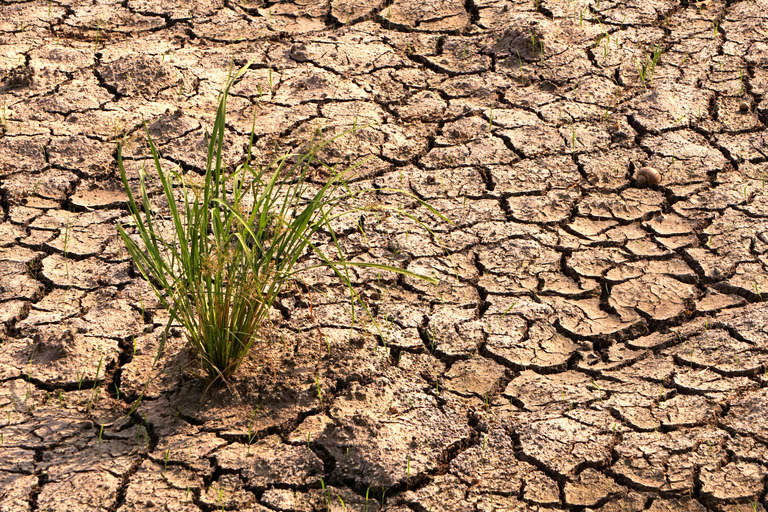
5 Tips for Dealing with El Niño - SGI Friends, the El Niño phenomenon is once again becoming a major concern as it can increase the risk of prolonged dry seasons, drought, high temperatures, forest and land fires, as well as disruptions to food availability and public health.
The Indonesian Agency for Meteorology, Climatology, and Geophysics (BMKG) predicts that El Niño may trigger a significant decline in rainfall across several regions of Indonesia. This condition is expected to result in a longer and drier dry season compared with previous years.
El Niño is often a major challenge for the agricultural sector in tropical countries, including Indonesia. When El Niño occurs, rainfall generally decreases significantly, potentially causing prolonged drought that directly affects food crop production.
As a result, farmers face various risks, including crop failure, declining land productivity, and higher production costs. Therefore, here are five tips for dealing with El Niño in agriculture to help keep farming activities safe and productive.
What Is El Niño and Why Does It Affect Agriculture?
El Niño is a global climate phenomenon caused by the warming of sea surface temperatures in the central and eastern Pacific Ocean. This phenomenon disrupts atmospheric circulation patterns and affects the distribution of rainfall in various parts of the world.
In Indonesia, El Niño generally causes:
Lower rainfall
A longer dry season
Higher air temperatures
Reduced groundwater availability
These conditions can affect irrigation systems, plant growth, and agricultural land productivity.
Crops Most Affected by El Niño
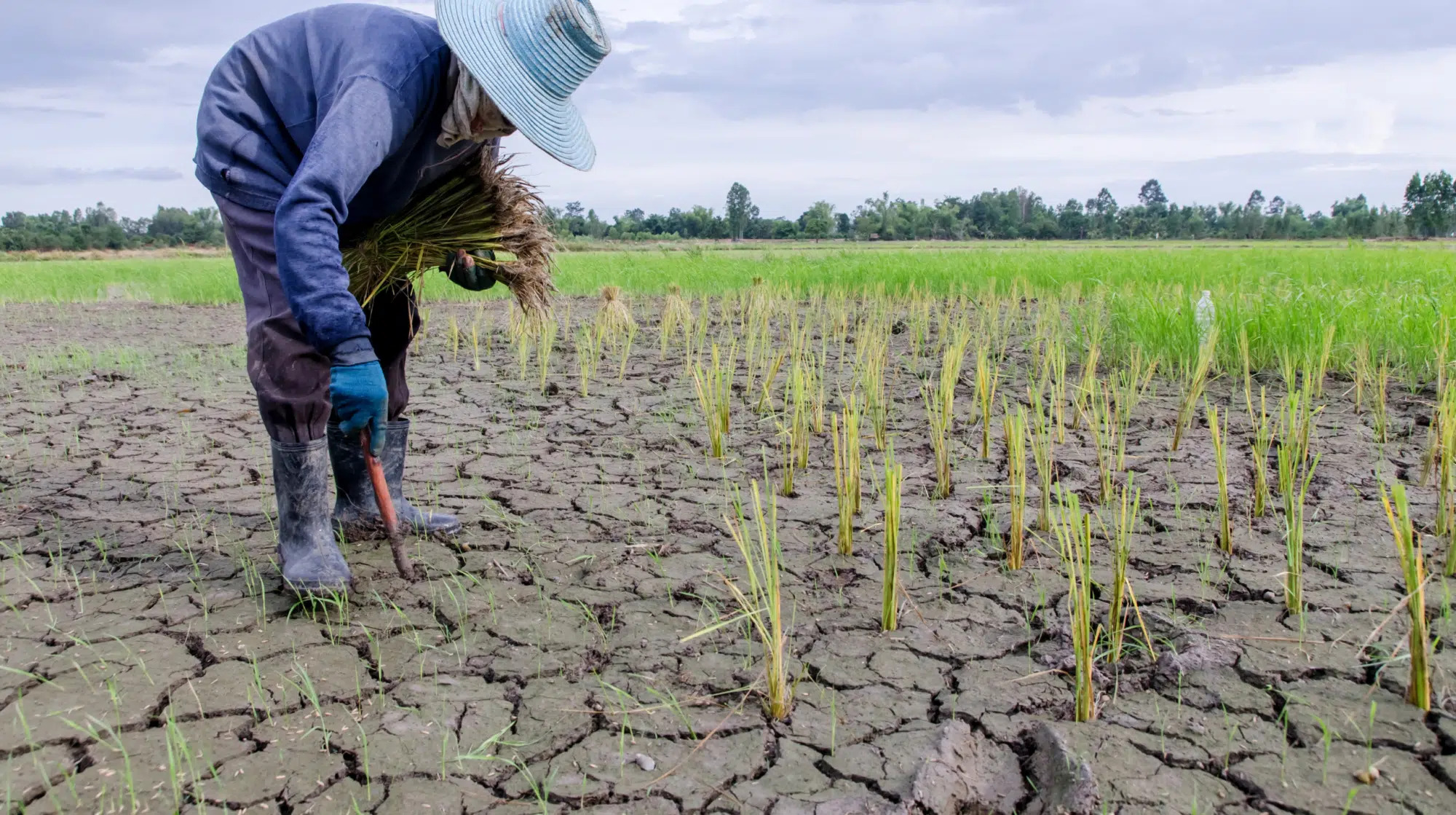
Although current conditions can become extreme, agriculture remains one of the sectors most vulnerable to the effects of El Niño. Under severe conditions, agricultural productivity may decline by up to 50 percent, depending on the type of crop and land conditions.
Rice and leafy vegetables are among the crops that are highly vulnerable because they require relatively large amounts of water, are sensitive during critical stages of growth, and may experience a decline in quality when water availability is limited.
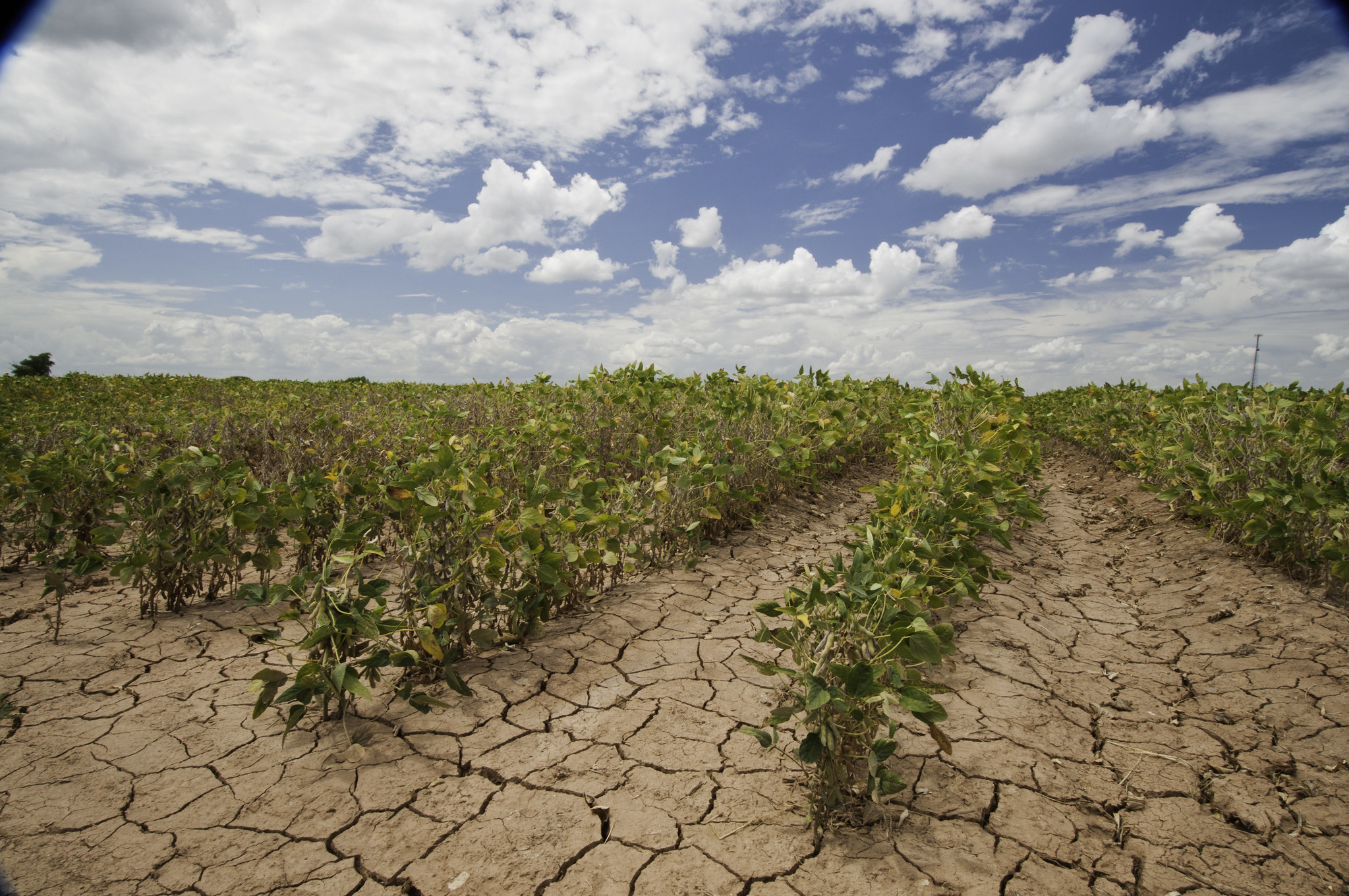
Other crops that are also vulnerable include corn and soybeans. Corn is particularly sensitive to water shortages during the flowering stage, while soybeans may be affected by drought during pod formation.
In 2026, the Indonesian Agency for Meteorology, Climatology, and Geophysics (BMKG) warned that the impacts of El Niño need to be anticipated as early as possible. In several regions of Indonesia, this condition may cause below-normal rainfall and increase the risk of drought as well as forest and land fires.
El Niño Could Trigger a Food Crisis If Not Properly Anticipated
A dry season does not necessarily mean that agricultural activities must stop. However, when El Niño intensifies, delayed decisions can lead to increasingly limited water supplies, greater plant stress, disrupted planting schedules, and higher farming costs.
These conditions need to be anticipated by SGI Friends from the beginning, particularly when signs of drought start to appear in agricultural areas.
The impact of El Niño is not limited to farmland. It can also affect the wider food system. Drought may reduce irrigation water supplies and increase the risk of crop failure, particularly in rainfed agricultural areas.
As a result, agricultural production may decline and contribute to rising food prices.
Scientific studies have also shown that El Niño has a strong relationship with hot and dry conditions in Indonesia. Climate change and El Niño together can increase the likelihood of extreme heat and drought occurring across the country.
The Impact of El Niño on Agricultural Pest Development
El Niño not only causes drier weather and lower rainfall but can also influence the development of agricultural pests. Environmental changes caused by hot and dry conditions may allow certain types of pests to reproduce more easily and attack crops more aggressively.
When plants experience water shortages, their growth can be disrupted, making them weaker and more vulnerable to plant pests and diseases. These may include pests such as planthoppers, aphids, thrips, and several types of caterpillars.
Farmers therefore need to monitor crop conditions more frequently during El Niño periods. Pay close attention to changes in leaves, stems, and overall plant growth. If signs of pest infestation begin to appear, appropriate pest control measures should be taken according to the type of pest and the condition of the crop to prevent the infestation from spreading.
The Impact of El Niño-Induced Drought on Agricultural Land
One of the first and most noticeable impacts of El Niño is reduced water availability. Water levels in irrigation channels may decline, wells may become shallower, and surface water sources may begin to shrink.
Rainfed agricultural areas face even greater risks because planting schedules depend heavily on rainfall. If crops are planted without considering whether sufficient water will remain available during their critical growth stages, the potential for crop losses may increase.
Another impact is increased plant stress. Water shortages can disrupt the formation of leaves, flowers, fruits, or grains, depending on the type of crop and its stage of growth. Higher temperatures can also accelerate water loss from the soil. Plants experiencing stress generally require more careful management so that they are not further affected by excessive fertilization, weeds, or attacks from plant pests and diseases.
El Niño can also lead to higher production costs. Farmers may need to spend additional money on water pumps, irrigation fuel, well construction, additional irrigation systems, or alternative water sources. As a result, farming costs increase even though crop yields may not necessarily remain optimal.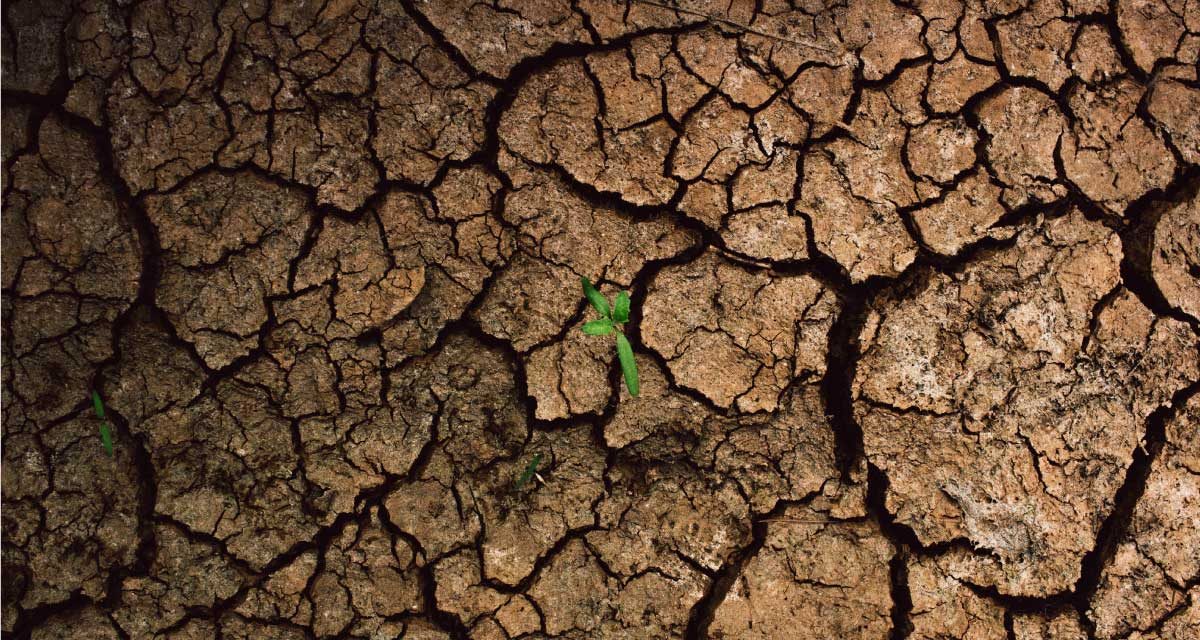
5 Tips for Safely Dealing with El Niño in Agriculture
Prioritize Water Management and Reduce Waste
Water is one of the most important resources during El Niño. One of the most noticeable impacts of El Niño in Indonesia is the decline in rainfall across several regions. This condition may place pressure on water sources, reservoirs, rivers, and groundwater supplies. Communities can begin conserving water by reducing its use for non-essential activities, repairing leaking faucets or pipes, and storing adequate supplies of clean water when living in areas at risk of drought.
For agricultural activities, SGI Friends can begin by checking irrigation channels for leaks, repairing field embankments, clearing blocked irrigation channels, reducing unnecessary water loss, and managing water distribution according to crop requirements. For rice fields, the Ministry of Agriculture in 2026 encouraged the implementation of intermittent irrigation as one of the technologies that can help conserve water. The principle is that rice fields do not need to remain continuously flooded throughout every stage of plant growth.
Instead, irrigation can be provided in controlled intervals according to soil conditions and crop requirements. Its implementation should consider soil type, crop age, root conditions, and local technical recommendations to ensure that water-saving practices do not cause excessive plant stress.
For horticultural crops and other types of plants, using mulch can help reduce evaporation from the soil surface while also suppressing weed growth. Organic materials can also be applied appropriately to improve the soil’s ability to retain water. Where possible, farmers can create simple water storage facilities or make use of farm reservoirs, ponds, water collection channels, or other safe and legally permitted alternative water sources.
Adjust Planting Schedules Based on Water Availability
Adjusting the planting calendar is another important step farmers can take. By aligning planting schedules with seasonal forecasts, farmers can help prevent crops from reaching water-intensive growth stages during the peak of the dry season. Poor planting timing may cause crops to enter their most critical growth stages precisely when water availability reaches its lowest point.
Therefore, SGI Friends should use BMKG weather forecasts, planting calendars, information from agricultural extension officers, and actual water availability as the basis for making planting decisions. Farmers should not rely solely on the planting dates used in previous years because seasonal patterns can change.
Use Crop Varieties That Are More Resistant to Drought
One effective strategy is to use crop varieties that are more tolerant of drought conditions. Several varieties of rice, corn, and soybeans have been developed to survive more effectively under limited water conditions. Some benefits of using drought-tolerant varieties include:
Lower water requirements
More stable growth during the dry season
More stable growth during the dry season
Maintain Soil Moisture, Plant Nutrition, and Crop Health
Healthy soil can help plants survive more effectively when water availability declines. SGI Friends can reduce water loss from the soil surface by using mulch, controlling weeds, and applying organic matter according to the needs of the land. Weeds should be properly controlled because they compete with the main crop for both water and nutrients. Fertilization should also be managed more carefully. Avoid applying excessive fertilizer when the soil is extremely dry and plants are already severely wilted. Water availability affects the dissolution and absorption of nutrients by plants.
The timing, dosage, and application method of fertilizers should therefore be adjusted according to crop type, soil conditions, and local fertilization recommendations. Whenever possible, farmers should use soil test results or recommendations from agricultural extension officers to avoid excessive fertilizer application. Hot and dry conditions may also alter patterns of pest and disease infestation. Farmers should therefore regularly inspect leaves, stems, roots, flowers, and fruits.
Management of plant pests and diseases should be based on field observations, infestation levels, and applicable recommendations. Pesticides should always be used according to label instructions, recommended dosages, target pests, application timing, personal protective equipment requirements, and recommended application intervals. Avoid excessive pesticide use simply because crops appear weak due to drought.
Prepare an Emergency Plan with Farmer Groups
El Niño can be difficult for farmers to manage individually, particularly when water resources are shared by several farming areas. For this reason, emergency plans should be prepared together with farmer groups, farmer group associations, irrigation management organizations, agricultural extension officers, and local government authorities. Farmers should identify their primary and backup water sources, establish water distribution schedules, determine pump locations, estimate fuel requirements, identify priority agricultural plots, and assign responsible persons in case water supplies suddenly decline.
El Niño can be difficult for farmers to manage individually, particularly when water resources are shared by several farming areas. For this reason, emergency plans should be prepared together with farmer groups, farmer group associations, irrigation management organizations, agricultural extension officers, and local government authorities. Farmers should identify their primary and backup water sources, establish water distribution schedules, determine pump locations, estimate fuel requirements, identify priority agricultural plots, and assign responsible persons in case water supplies suddenly decline.
The Role of Technology and Agricultural Mechanization
El Niño in 2026 serves as an important reminder that modern agriculture increasingly requires decisions based on climate information and actual field conditions. BMKG data in early September indicated that El Niño had already reached a very strong intensity. For farmers, the most important issue is not simply knowing that the season will be drier, but understanding what actions should be taken regarding water management, planting schedules, crop varieties, soil conditions, and emergency planning.
In addition to conventional farming strategies, agricultural technology can also play an important role in helping farmers deal with the impacts of El Niño.
Several technologies that may help farmers include:
Soil moisture sensors
Automatic irrigation systems
High-efficiency water pumps
Modern energy-efficient agricultural equipment
El Niño is a serious challenge for the agricultural sector because it can cause prolonged drought and reduce food production.
However, with appropriate strategies and proper preparation, its impact can be minimized.
The five tips for safely dealing with El Niño in agriculture include prioritizing water management and reducing waste, adjusting planting schedules according to water availability, using drought-tolerant crop varieties, maintaining soil moisture, plant nutrition, and crop health, as well as preparing emergency plans together with farmer groups.
PT Sinar General Industries is always committed to providing solutions for farmers through the provision of high-quality products that support plant growth and improve agricultural productivity.
If SGI Friends need information about high-quality fertilizer and pesticide solutions for various types of crops, consult your agricultural needs with us.
Visit https://pt-sgi.com/ to learn more about our products, consultation services, and agricultural solutions tailored to farming needs.
 12 October 2026
Understanding Glyphosate A Systemic Herbicide for Weed Control
Glifosat dikenal sebagai herbisida sistemik non-selektif yang bekerja dari daun menuju titik tumbuh tanaman.
 11 September 2026
Anak Krakatau Volcanic Ash and Its Impact on Agriculture
The eruption of Anak Krakatau has once again drawn attention. The spread of volcanic ash can affect crops and soil to varying degrees. SGI m...
 20 April 2026
Indonesia Expands Rice Export Opportunities Amid Global Demand
Indonesia expands rice export opportunities with surplus production, modern farming, and global market demand.