



Anak Krakatau Volcanic Ash and Its Impact on Agriculture
Share:
About Article
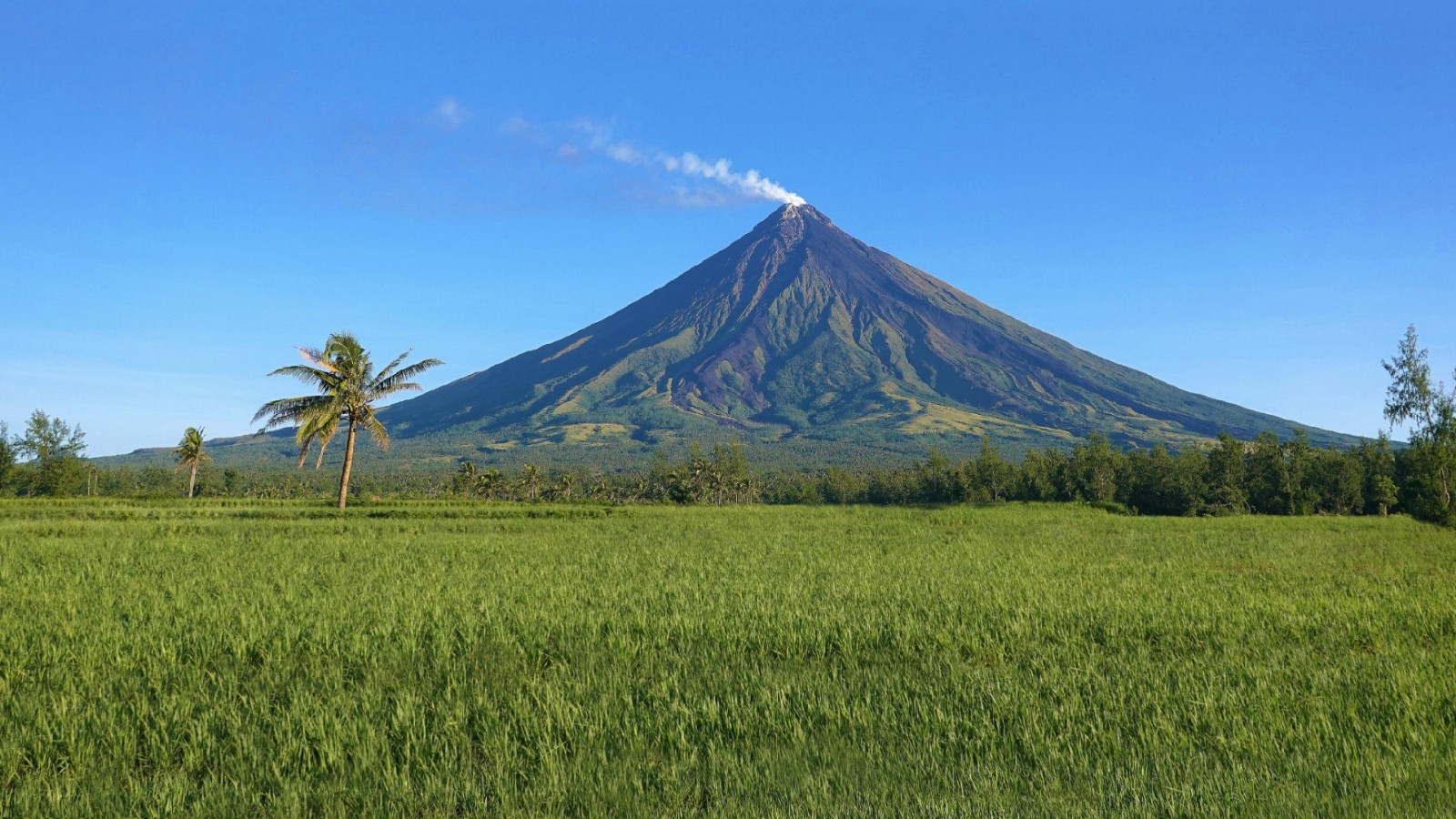
SGI - SGI - The eruption of Anak Krakatau Volcano has once again drawn attention after its volcanic activity increased in early September 2026. For farmers, news about volcanic ash is not only related to volcanic activity, but also to the condition of leaves, soil, water, and decisions regarding crop care in the field. The Anak Krakatau eruption on September 4 showed that the impact of a volcano does not stop around the crater. The Geological Agency recorded that Anak Krakatau Volcano remains at Level III or Alert status, with eruptive activity producing ejected materials and volcanic ash.
Volcanic eruptions often leave thick layers of ash on farmland. Knowing how to clean volcanic ash is important so that leaves are not damaged and photosynthesis can continue normally. Ash that is left to accumulate can weigh down stems until they break and inhibit overall plant growth.
For people working in the agricultural sector, this condition requires attention. Volcanic ash carried by the wind and deposited on farmland can stick to leaves, stems, and the soil surface. Its impact on plants can vary depending on the thickness of the ash, the type of plant, the growth stage, and the condition of the land.
So, is volcanic ash always harmful to plants? Can volcanic ash also provide benefits to the soil? And what should farmers do when their crops are affected by volcanic ash?
Sumber. Solopos - Espos.id
What Is Volcanic Ash?
Volcanic ash is very fine material produced by volcanic eruptions. Because the particles are lightweight, ash can be carried by the wind far from the source of the eruption and then settle on various surfaces, including agricultural land.
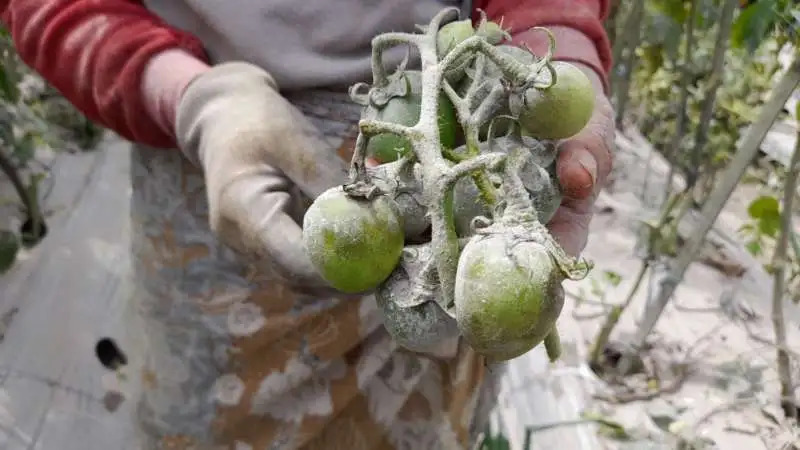
When volcanic ash reaches agricultural land, the material can stick to the surface of leaves and plants. This condition needs attention, especially when the ash deposits are thick enough to interfere with plant growth.
However, the impact of volcanic ash is not always the same on every piece of land. Ash that only lightly covers the surface of certain leaves and plants has a different impact compared with ash deposits that cover plants and soil in large amounts.
Impact of Anak Krakatau Volcanic Ash on Plants
One impact that needs attention occurs when volcanic ash covers the surface of leaves. A layer of ash can block light and interfere with the function of the leaf surface, preventing the photosynthesis process from occurring optimally.
For broad-leaved plants, the accumulation of large amounts of ash can also increase the load on plant parts. This condition has the potential to cause damage to leaves or branches, especially when the ash accumulates after rain. Research and experience from previous volcanic eruptions show that horticultural crops with broad leaves can experience more noticeable impacts from ash deposits.
In addition, ash covering plants can interfere with plant growth and development. Under certain conditions, the pollination process can also be disrupted, potentially affecting yield formation.
Therefore, farmers need to observe the condition of their crops after ashfall and should not immediately conclude that all plants will experience the same level of damage.
Sumber. Balipos.com
Is Volcanic Ash Beneficial for Soil and Agriculture?
In addition to causing short-term impacts, volcanic ash can also have potential benefits for soil in the long term.
Volcanic material contains various minerals that can gradually undergo weathering. After undergoing weathering, some elements from the material can contribute to the development of soil properties and nutrient availability.
However, it is important to understand that volcanic ash cannot immediately be considered fertilizer for plants. The elements contained in the ash are not necessarily immediately available or able to be absorbed by plants. The weathering process takes time and is influenced by environmental conditions and soil characteristics.
Therefore, the assumption that the more volcanic ash there is, the more fertile the plants will become is not entirely accurate. Its impact needs to be assessed based on the condition of the land and the ash deposits. The mineral content in ash represents a potential reserve. Its availability to plants is influenced by the weathering process, initial soil properties, pH, rainfall, organic matter, ash thickness, and ash composition. Therefore, fertilization decisions should still be based on soil conditions and plant requirements.
Ash can also change pH, elemental content, the soil’s water-holding capacity, and its physical properties. Under certain conditions, these changes may be beneficial, but under other conditions they may instead cause imbalances. This is why it is not accurate to say that all ash will definitely improve soil fertility or that all ash will definitely cause damage.
Sumber. mongabay
How to Handle Plants Affected by Volcanic Ash
Handling should begin with observation, rather than applying the same treatment uniformly across the entire area. Sobat SGI can use the following steps as an initial guide while continuing to follow instructions from local governments, agricultural extension officers, and agricultural officials.
Observe the Thickness of the Ash
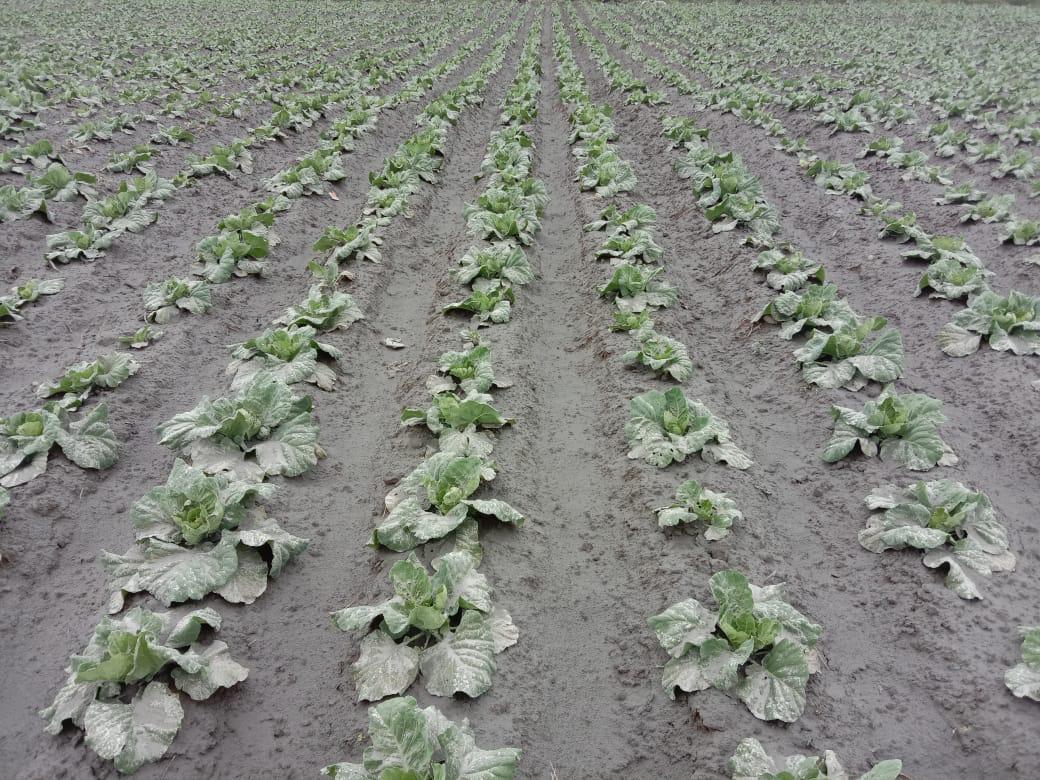
Check several points across the field, not only the edges. Determine whether the ash only forms a thin layer, covers most of the leaves, or has already accumulated on the soil. Differences in ash thickness can occur within the same field due to wind direction, canopy shape, and surface conditions.
Carefully Clean Ash from the Leaves
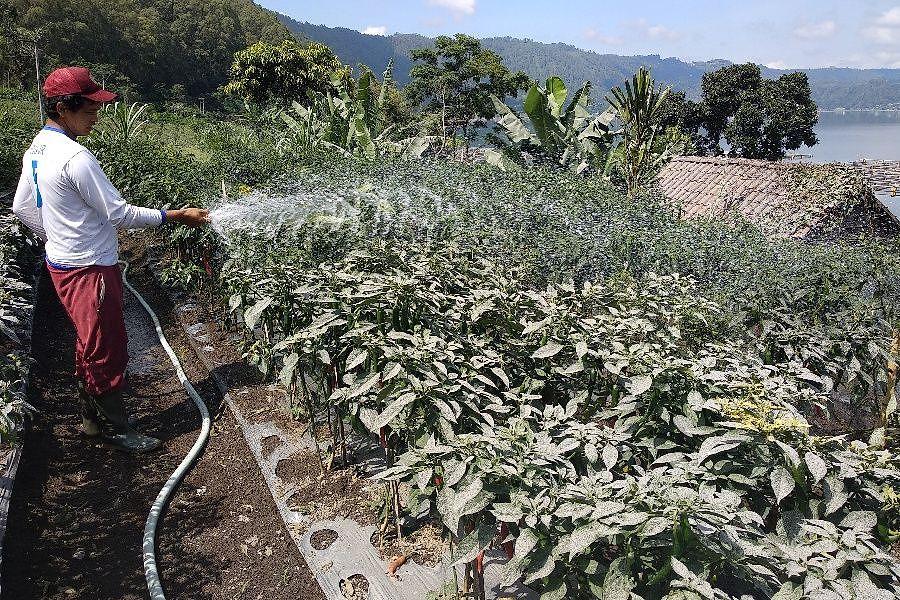
If the ash is thick enough to cover the leaf surface and conditions are safe, Sobat SGI can gradually reduce the deposits. On plants that are strong enough, a gentle spray of water can help, but the cleaning method should be adjusted to the type of plant. Sobat SGI should avoid actions that could break leaves or cause the dust to become airborne again.
Avoid Rubbing the Leaves Too Hard
Ash particles are sharp and abrasive. Rubbing leaves with hands, rough cloth, or hard tools can cause mechanical damage to the leaf surface.
Monitor Plant Growth
After the initial treatment, Sobat SGI can observe the plants for several days. Pay attention to whether new leaves grow normally, whether leaf color changes, whether the plants wilt, or whether there are disruptions in flowering and yield formation. Simple notes regarding conditions before and after cleaning can help determine whether the plants are beginning to recover or require further examination.
Anak Krakatau volcanic ash can have an impact on agriculture, but the level of impact is not the same in every location. Thin deposits can cause different effects compared with thick deposits. Plant type, plant age, canopy structure, soil conditions, rainfall, wind, and ash characteristics all contribute to determining the final outcome.
In the short term, the main concern is the physical impact of ash on the surface of leaves and soil. A layer of ash can reduce light exposure, interfere with plant processes, increase the load on the canopy, and alter soil surface conditions. In the long term, volcanic material can indeed become a source of minerals for soil formation, but these minerals do not automatically become available to plants like fertilizer that is directly applied.
Therefore, it is not accurate to always consider volcanic ash damaging. Conversely, it is also not accurate to immediately consider ash beneficial for soil fertility. Handling must follow the actual conditions in the field. There is no single method that can be applied equally to all affected agricultural land.
Sobat SGI should continue to follow developments regarding Anak Krakatau from official sources, inspect crops regularly, and take action based on the conditions of each individual field. If pests or diseases are later found, pest and disease control should then be carried out according to the diagnosis and technical recommendations.
PT Sinar General Industries (SGI) is always committed to providing solutions for farmers through the provision of quality products to support plant growth and increase agricultural productivity.
If Sobat SGI needs information regarding quality fertilizer and pesticide solutions for various types of crops, consult your agricultural needs with us. Visit https://pt-sgi.com/ to obtain information about products, consultation services, and agricultural solutions that suit your farming needs.
 12 October 2026
Understanding Glyphosate A Systemic Herbicide for Weed Control
Glifosat dikenal sebagai herbisida sistemik non-selektif yang bekerja dari daun menuju titik tumbuh tanaman.
 05 September 2026
5 Tips for Safely Dealing with El Niño in Agriculture
El Nino sudah menunjukkan intensitas sangat kuat dan dapat meningkatkan risiko kekeringan di sejumlah wilayah Indonesia. Sobat SGI dapat men...
 20 April 2026
Indonesia Expands Rice Export Opportunities Amid Global Demand
Indonesia expands rice export opportunities with surplus production, modern farming, and global market demand.