



Mango Season Is Here! Discover Which Mango Varieties Are Right for Your Land, SGI Friends
Share:
About Article
SGI – As mango season arrives, fruit markets offer an increasingly wide selection. However, for SGI Friends planning to grow mangoes, the question is not simply “Which mango is the sweetest?” but rather “Which mango variety best suits my land and the preferences of buyers near my orchard?”
In Indonesia, mango season generally runs from around October to December, although harvest times may vary by region and variety. This harvest period is an ideal opportunity to observe which varieties sell well in local markets while preparing your orchard for the next growing season.
5 Mango Varieties to Consider for Your Land, SGI Friends
Each variety has distinct fruit characteristics and appeals to different buyers. The following five varieties are a useful starting point before SGI Friends purchase seedlings.
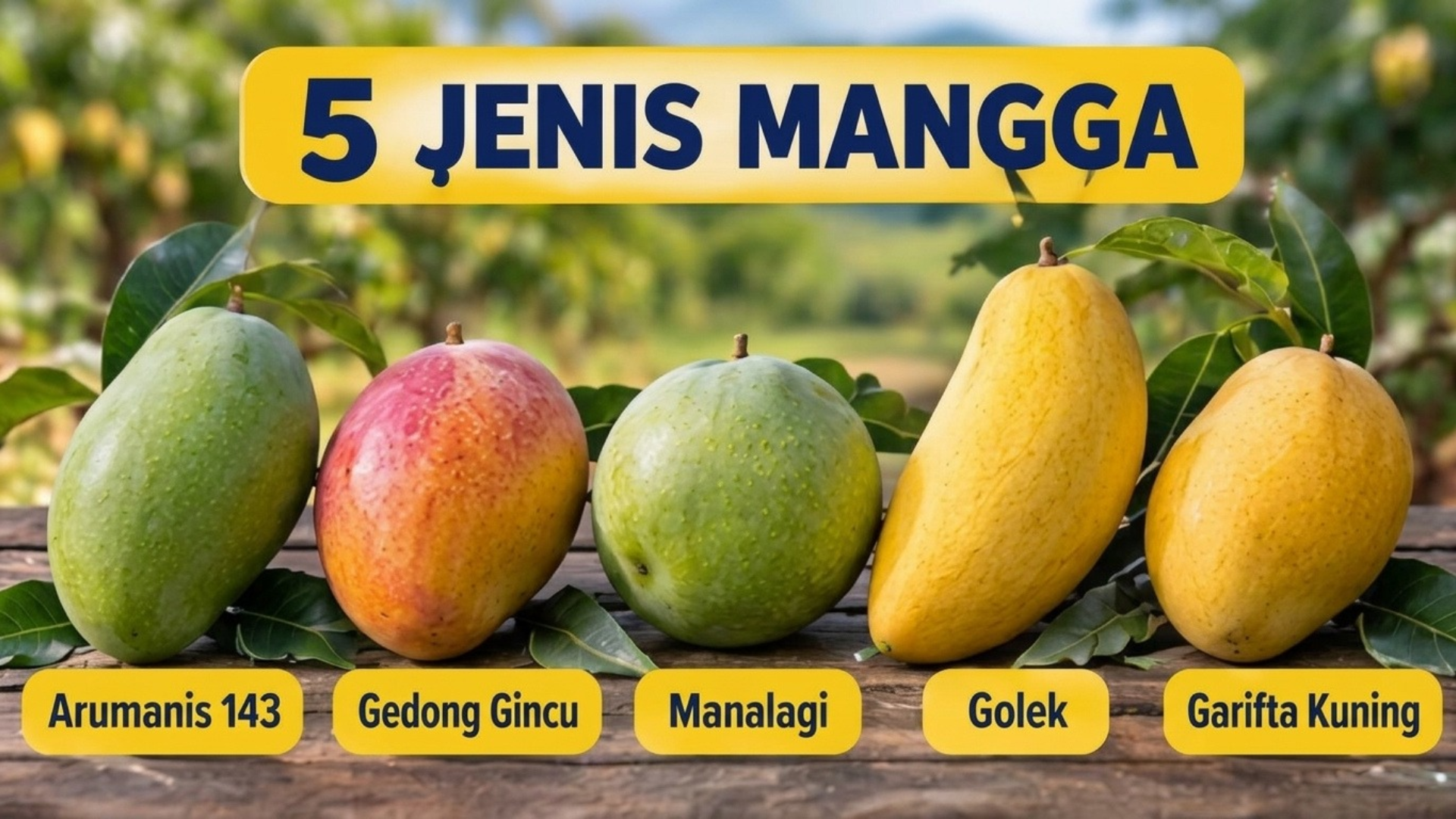
Figure 1. Five mango varieties worth considering.
1. Arumanis 143 Mango: Sweet, Fragrant, and Popular with Buyers
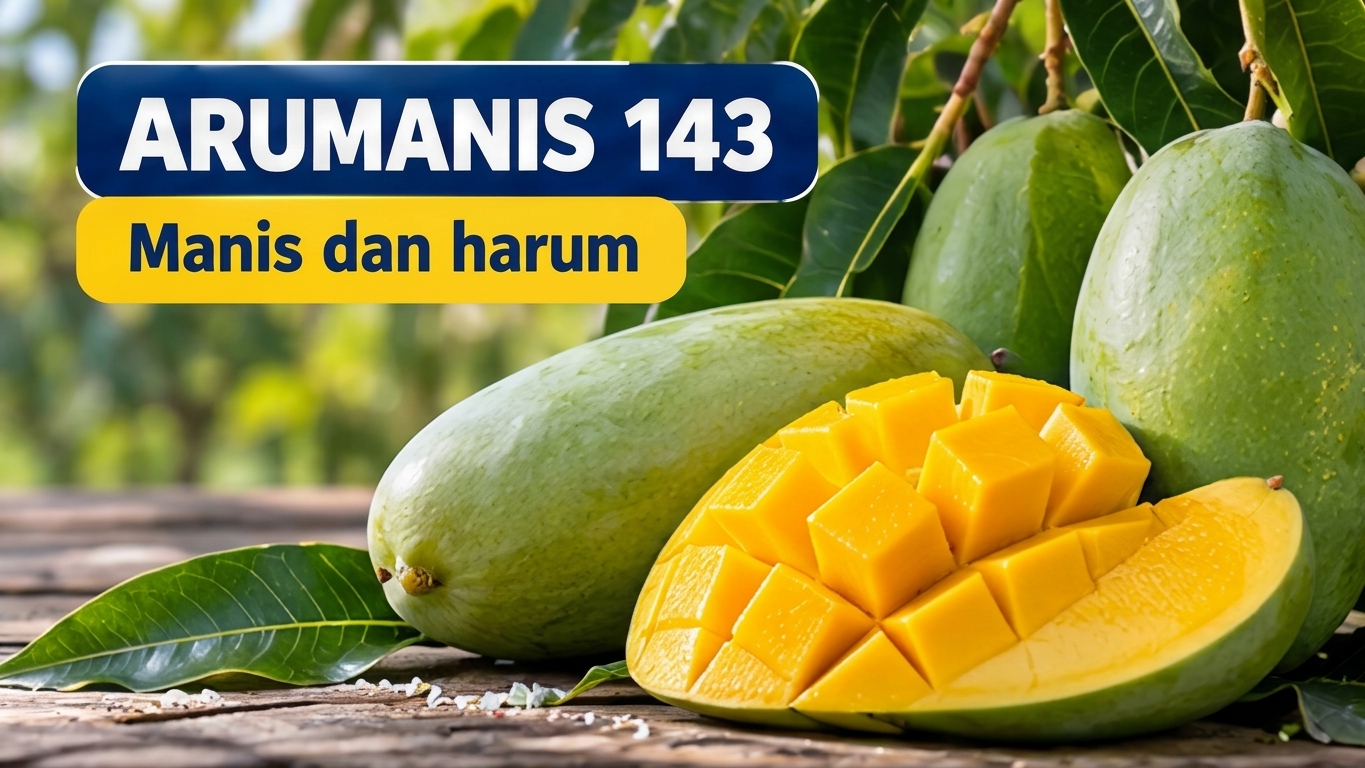
Figure 2. Arumanis 143 is known for its sweet taste and fragrant aroma.
Arumanis 143 is known for its skin, which remains green even when ripe, thick yellow flesh, sweet taste, and fragrant aroma. This variety is suitable for lowland areas approximately 0–500 meters above sea level, with well-drained soil and a pH of around 5.5–7.5. Areas with a distinct dry season support its flowering.
Consider this variety if SGI Friends are targeting fresh-fruit buyers who prefer sweet mangoes. Make sure the seedlings are clearly labeled with the variety name, as “harum manis” is often used as a general term in the market.
2. Gedong Gincu Mango: Eye-Catching Color for the Fresh-Fruit Market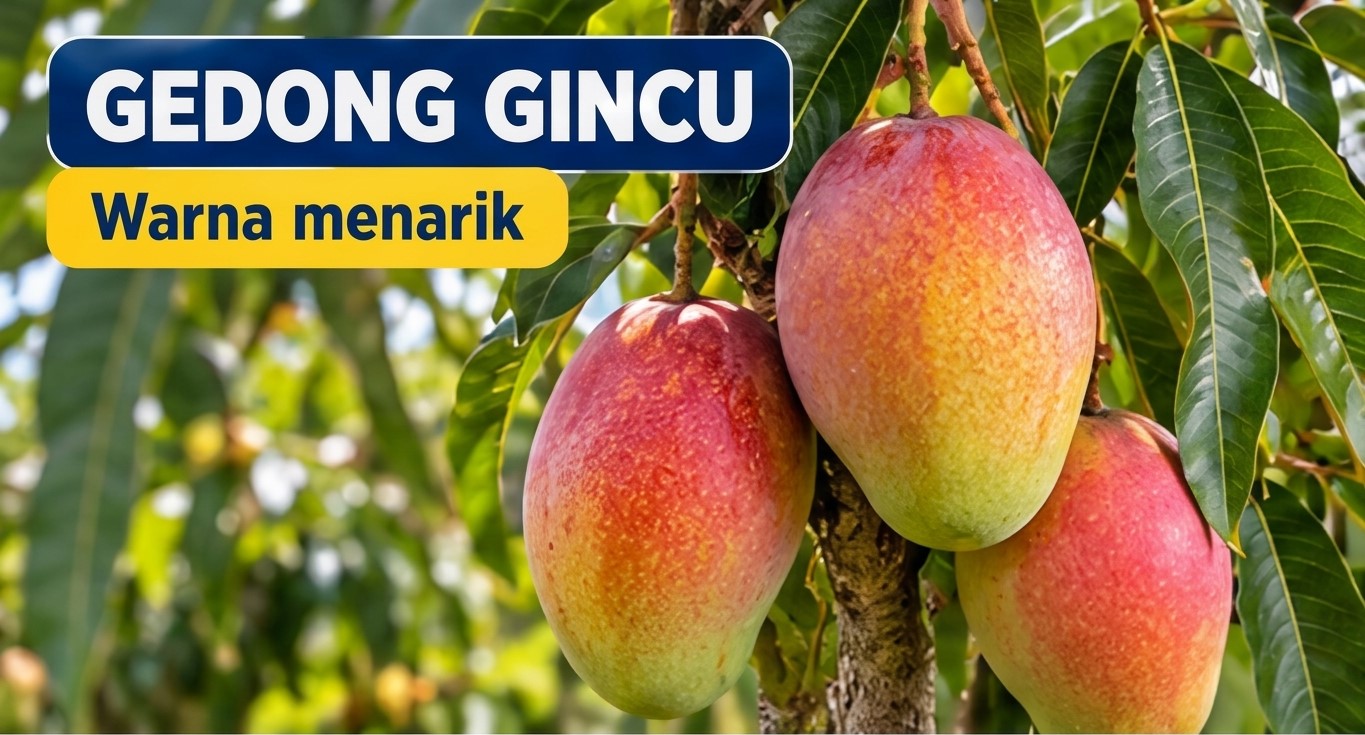
Figure 3. Gedong Gincu has an attractive skin color.
Gedong Gincu easily attracts attention because its skin can turn yellow, orange, or reddish as the fruit ripens. Its orange flesh has a distinctive aroma and a flavor that combines sweetness with a slight tartness. Its appearance can add value in the fresh-fruit market, especially when the fruit is presented in neat packaging.
Choose this variety if there are buyers who value fruit appearance and quality. Pay attention to harvest timing, fruit handling, and local market requirements, because skin color alone is not enough to determine whether the fruit is ready to be harvested.
3. Manalagi Mango: A Choice for Those Who Love Sweet Fruit
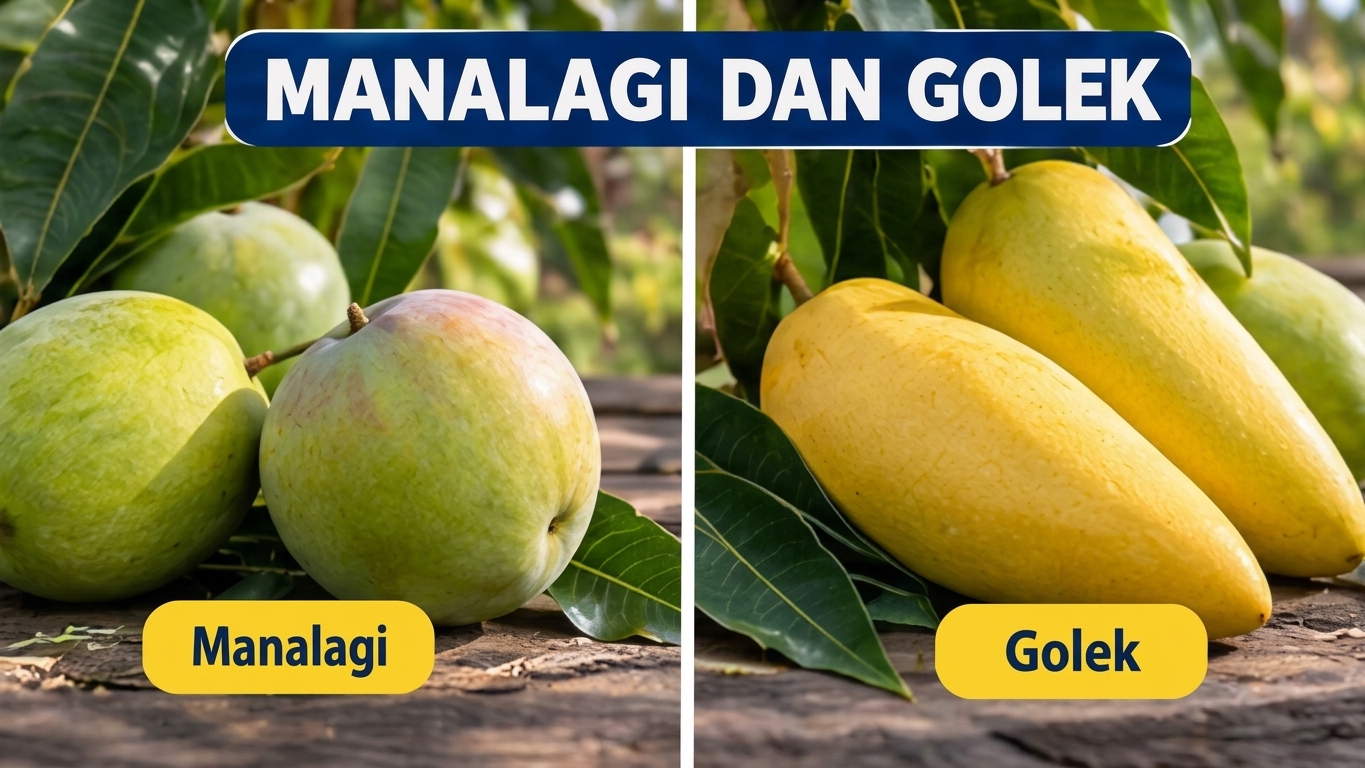
Figure 4. A comparison of the appearance of Manalagi and Golek mangoes.
Manalagi is known for its sweet taste and greenish-yellow skin. This variety can be a good choice for local markets that prioritize flavor and fresh consumption. Before planting it on a large scale, ask fruit collectors or traders whether Manalagi is in demand in the area where SGI Friends farm.
The key is not only to choose delicious fruit, but also to make sure its size, quality, and market demand align with your sales plans.
4. Golek Mango: A Distinctive, Elongated Shape
Golek mangoes have a distinctive shape that tends to be longer than many other varieties. This variety has long been known in Indonesia and can be an option for orchards supplying mangoes for fresh consumption.
Check the availability of high-quality seedlings and demand for Golek mangoes in nearby markets. Do not make fruit appearance the only reason for choosing a variety.
5. Garifta Kuning Mango: Striking Golden-Yellow Skin
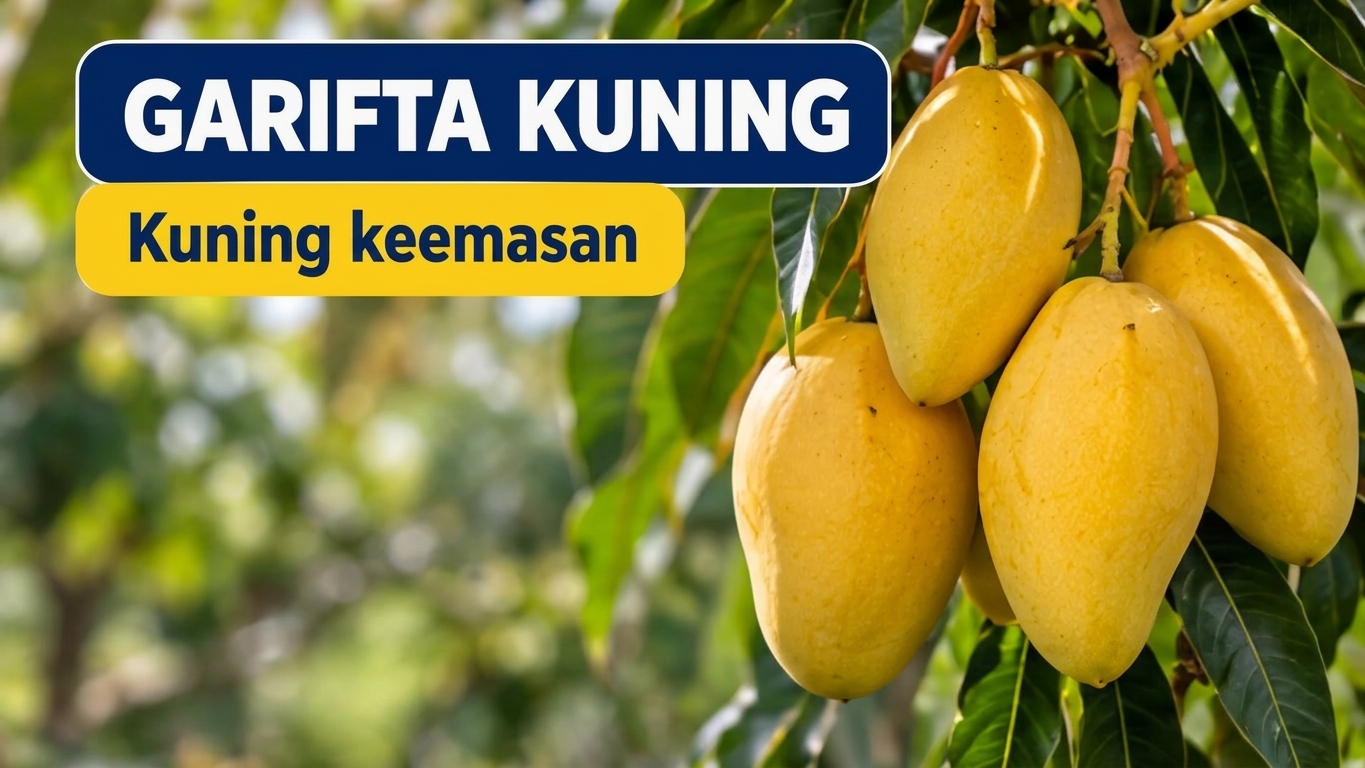
Figure 5. Garifta Kuning is known for its golden-yellow skin.
Garifta Kuning has golden-yellow skin, a sweet taste, and a fragrant aroma. Its fruit weight ranges from approximately 320–400 grams, and it is suitable for cultivation in lowland areas around 1–300 meters above sea level. At the reported observation site, its harvest period was around October–November.
This variety is appealing to markets that favor brightly colored mangoes. These fruit-weight and harvest-period figures are varietal references, not guarantees that every orchard will achieve the same results.
Before Planting Mangoes, Check These 4 Conditions
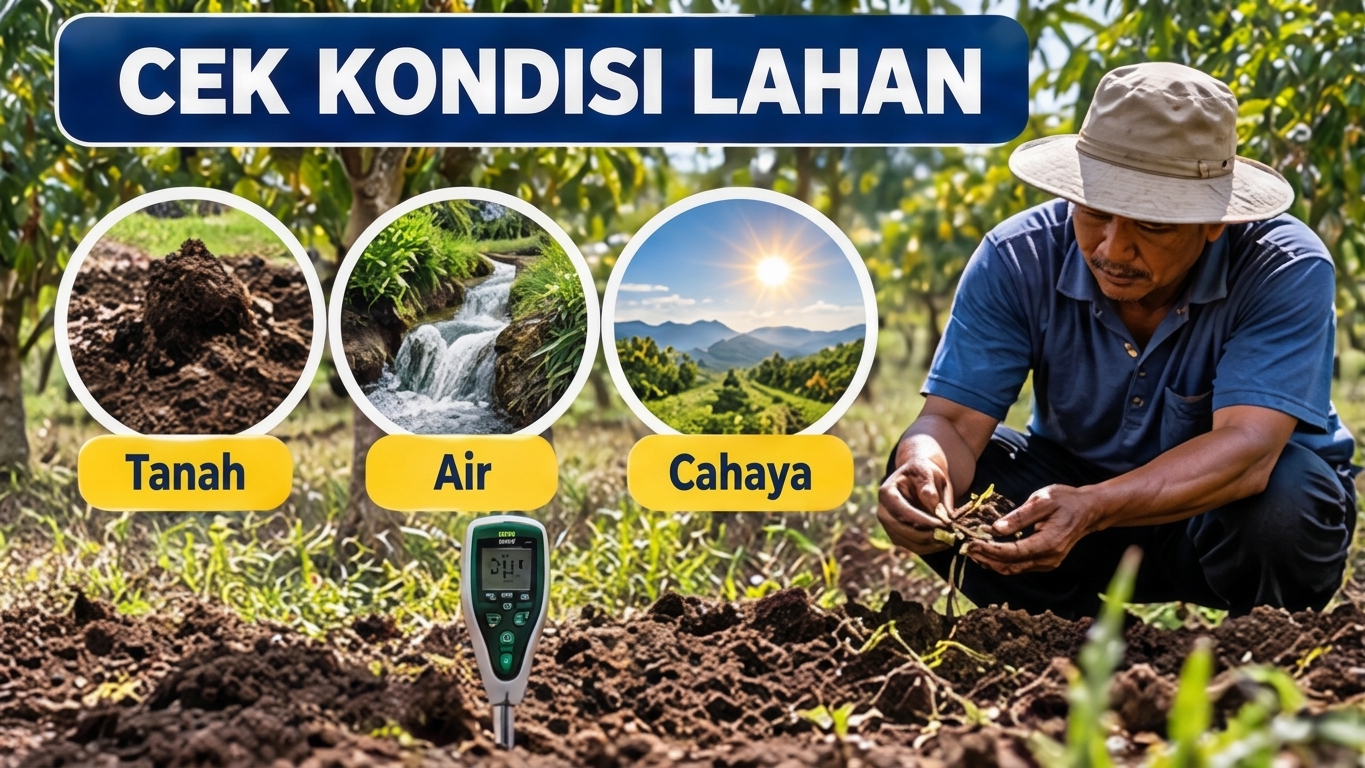
1. Make Sure Water Does Not Pool
Mango trees grow better in well-drained soil. If water tends to pool after rainfall, improve the drainage channels first so the roots are not continuously exposed to excessively wet conditions.
2. Measure Soil pH and Assess the Orchard Location
As a general reference for mango cultivation, a soil pH of around 5.5–7.5 and a lowland location 0–500 meters above sea level are considered highly suitable conditions. However, actual suitability still depends on the variety, local climate, and orchard management.
3. Maintain Adequate Sunlight and Water
An overly dense canopy can restrict sunlight penetration and air circulation. Prune as needed, especially after harvest. Mango trees still require adequate water during growth and fruit development.
4. Check Market Demand Before Buying Seedlings
Compare prices and demand for several varieties in nearby markets. If possible, plant a few trial trees first to evaluate their growth, fruit quality, and buyer acceptance.
Plenty of Mango Flowers but Few Fruits? Learn About the Role of Boron 45 Fertilizer
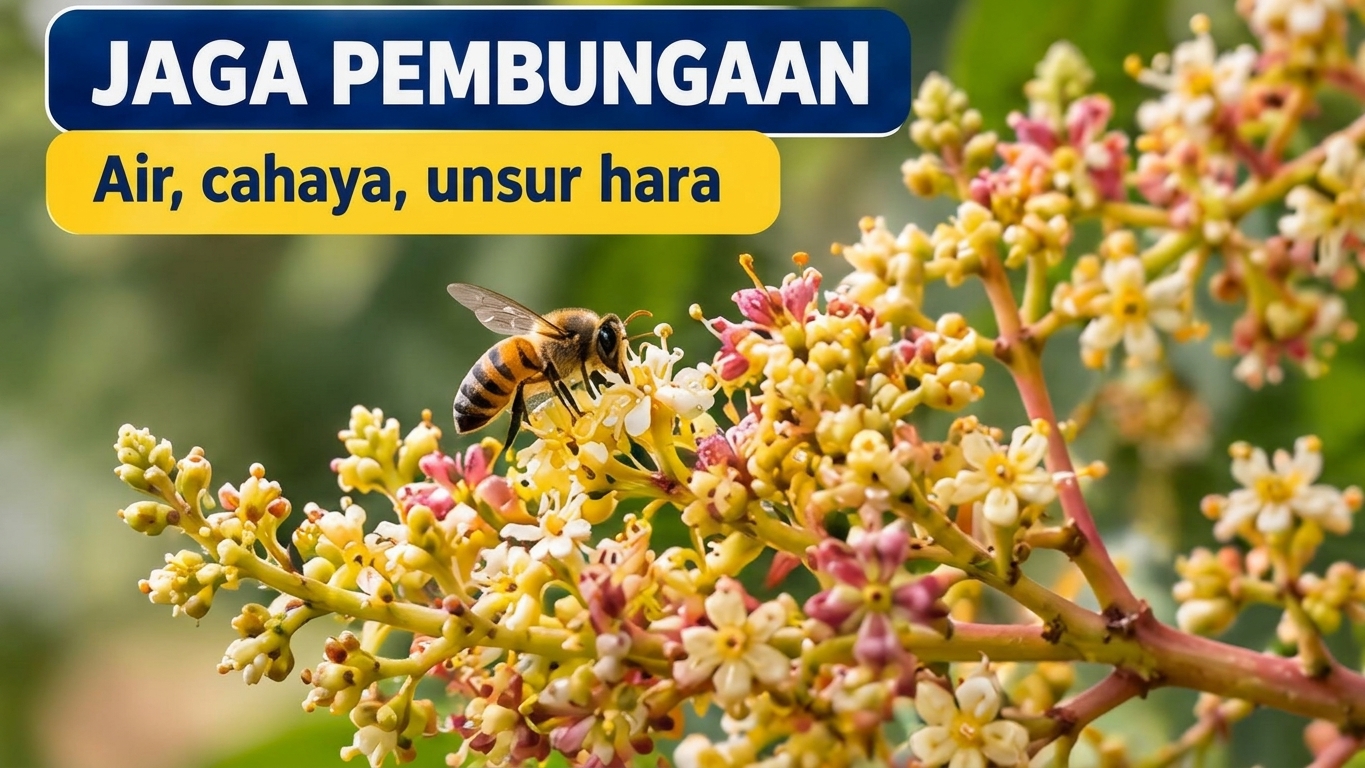
Figure 7. Mango flowering is influenced by water, sunlight, and an adequate supply of nutrients.
After selecting a suitable mango variety, SGI Friends also need to pay attention to plant nutrient requirements, especially during flowering and fruit development. One product that can help meet these nutrient needs is Boron Coin 45 Micronutrient Fertilizer, which contains boron to help fulfill the plants’ nutritional requirements.
Using Boron Coin 45 Micronutrient Fertilizer can be part of a mango care program to help ensure that the trees receive enough boron during growth stages when this nutrient is needed. SGI Friends should follow the product’s instructions for dosage and application to ensure proper fertilization. With appropriate care and nutrient supply, mango trees can be expected to grow and develop well.
Boron Coin 45: A Source of Essential Micronutrients
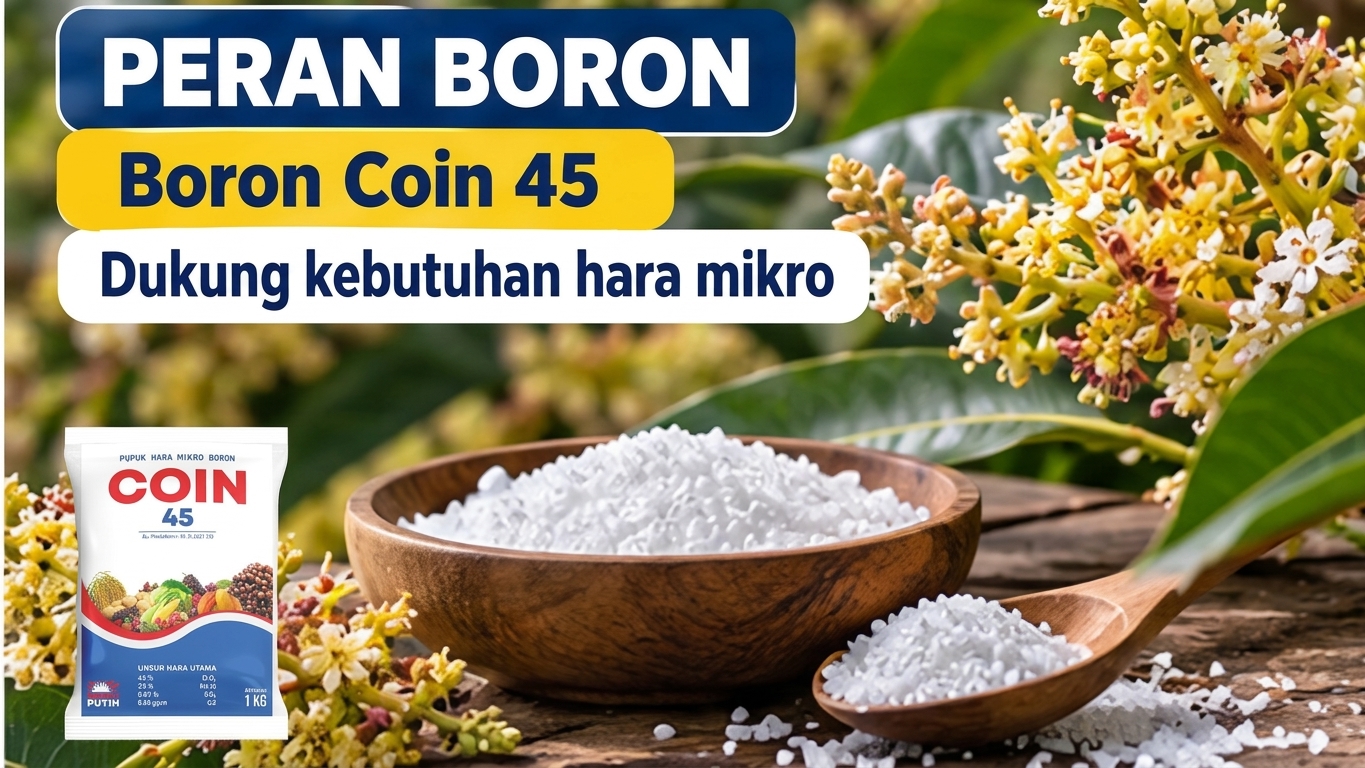
Figure 8. Boron Coin 45 as a source of plant micronutrients.
To meet plants’ micronutrient needs, PT Sinar General Industries offers Boron Coin 45 Micronutrient Fertilizer. This product consists of fine white granules that dissolve readily in water and is formulated with boron trioxide and sodium oxide. One of its benefits is that it provides essential boron, which supports flower development and pollination.
Choose the Right Variety and Care for Your Orchard Wisely
Mango season is not just a time to enjoy the harvest; it is also an opportunity to learn from orchard performance and buyer preferences. By choosing a suitable variety, maintaining good growing conditions, and fertilizing according to plant needs, SGI Friends can work toward a more productive mango orchard from season to season.
PT Sinar General Industries remains committed to supporting farmers by providing quality products that promote plant growth and improve agricultural productivity. If SGI Friends need information on fertilizers and pesticides for various crops, consult us to find solutions suited to your farming needs. Visit https://pt-sgi.com/ to learn more about our products, consultation services, and solutions tailored to your farming needs.
 21 October 2026
Beware of Rice Weeds! Identify Common Types and Learn How to Control Them
SGI Friends Learn about the different types of weeds in rice fields and their effects. Let’s take a look at the control strategies from SGI...
 17 October 2026
A Nozzle Is More Than Just the Tip of a Sprayer: Here’s How It Affects Spraying
Nozzles determine much more than just the direction of the spray. They also affect droplet size, flow rate, and spray pattern. Let’s take a...
 12 October 2026
Understanding Glyphosate A Systemic Herbicide for Weed Control
Glifosat dikenal sebagai herbisida sistemik non-selektif yang bekerja dari daun menuju titik tumbuh tanaman.