




Janda Pirang Disease Turns Out to Be Caused by This Pest
Share:
SGI - SGI Friends, Have You Often Heard of Janda Pirang Disease in Red Onion Plants?
Among farmers, this condition is commonly known as “janda pirang” in red onions. This phenomenon needs to be monitored because it can disrupt plant growth and reduce crop yields, especially when it occurs while red onions are still in the early growth stage.
One of the plant pests commonly found on plants showing janda pirang symptoms is thrips. These very small insects attack plant tissues and can cause changes in leaf color.
It turns out that janda pirang disease in red onion plants is associated with thrips attacks. Uncontrolled thrips can pierce and suck the plant’s tissues, causing red onion plants to wilt, become damaged, and potentially fail to produce a harvest.
However, are thrips really the main cause of janda pirang? Let’s take a closer look, Sobat SGI.
What Is Janda Pirang in Red Onion?
Janda pirang is a term used by farmers to describe a condition in red onion plants in which the leaves turn yellow and dry out rapidly and relatively simultaneously.
The symptoms may appear similar to plants lacking water or nutrients. In severe conditions, the leaves wilt, dry out, and eventually fall over, disrupting plant growth.
Cases of janda pirang have occurred in Brebes, one of the largest red onion production centers in Indonesia. At that time, many red onion fields with plants that were 25 days old experienced crop failure due to this disease. Farmers were forced to suffer significant losses because the plants did not have enough time to form bulbs.
IPB University reported that cases of janda pirang had been found in young red onion plants. In some cases, plants that had not properly formed bulbs could experience very significant losses.
Meanwhile, a report from the Directorate General of Horticulture recorded that an attack referred to as janda pirang had been found in red onion plants around 30 to 50 days after planting. This condition caused some farmers to harvest earlier than planned.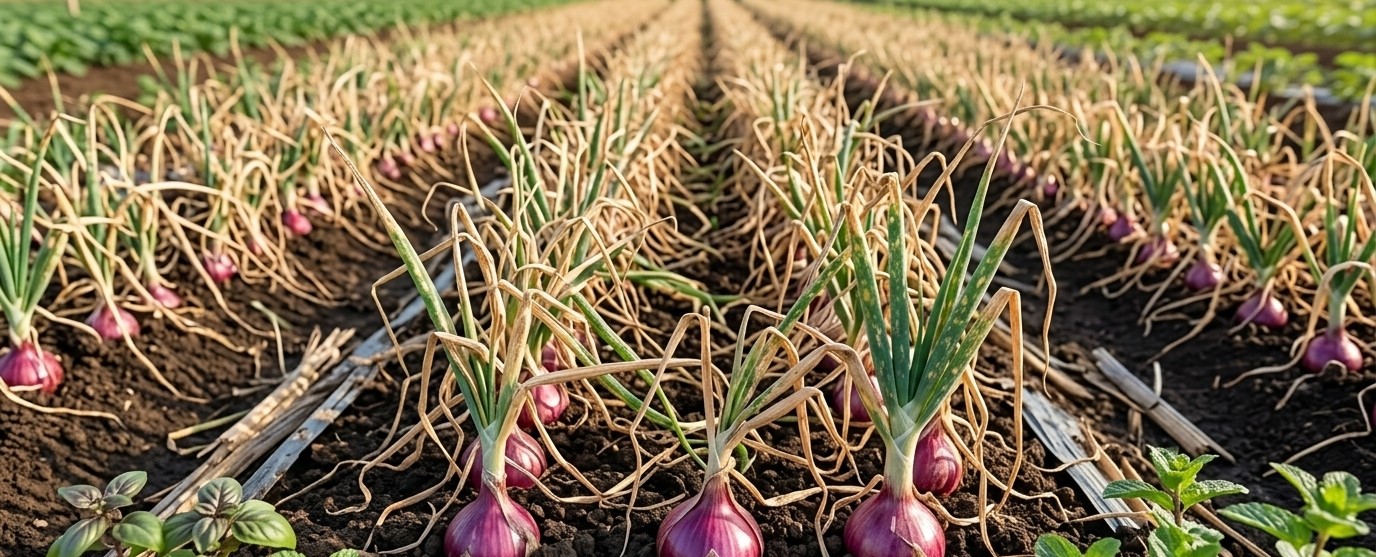
Figure. Symptoms of "blond widow" and thrips attack on shallot leaves.
Is Janda Pirang Really Related to Thrips?
Field observations show a strong correlation between plants exhibiting janda pirang symptoms and high thrips populations.
Thrips are small insects measuring approximately 1 millimeter in size. These insects live on and attack plant parts by damaging the surface tissue and then sucking out the plant cell fluids.
As a result, red onion leaves may develop white or silvery spots. If the infestation becomes more severe, the leaves become pale, turn yellow, dry out, and plant growth may be disrupted.
According to technical information from the Ministry of Agriculture, the characteristic symptom of Thrips tabaci infestation on red onions is a change in leaf color to a more silvery white. In severe infestations, most of the leaf surface may appear pale or white.
In observations by IPB University on red onion plants showing yellowing and drying symptoms, a very high thrips population was found, with more than 100 insects even found in a single red onion clump. The symptoms observed in this study appeared on plants approximately 35 to 40 days after planting.
Recognize Thrips Pests on Red Onion Plants
Thrips, or Thrips tabaci, are one of the important plant pest organisms affecting red onion plants. Their body size is very small, making them sometimes difficult to see if the plants are not examined carefully. Some characteristics that Sobat SGI can pay attention to include:
Part Observed | Signs to Watch For |
Leaves | White or silvery spots appear |
Plant color | Leaves begin to look pale or yellow |
Leaf condition | Leaves dry out and may collapse |
Growth | Plants look unhealthy and their growth is disrupted |
Close inspection | Very small insects may be found on the leaves |
If these symptoms appear quickly on many plants within one field, SGI Friends should increase monitoring.
When Should Janda Pirang Be Watched Out For?
SGI Friends need to remember that monitoring should not wait until the plants show severe damage. In red onion, observation of plant-disturbing organisms can begin when the plants enter the early vegetative stage, around 5 to 10 days after planting.
This does not mean that janda pirang always begins to attack at 5 to 10 days. That period is more appropriately used as the time to begin early monitoring for the presence of thrips and changes in plant condition.
Based on several field reports, janda pirang symptoms are actually often found when the plants have reached around 25 to 50 days after planting. IPB recorded symptoms in plants around 25 days old and, in another observation, around 35 to 40 days after planting. The Directorate General of Horticulture also recorded cases at 30 to 50 days after planting.
Monitoring Phase
Plant Age | Growth Stage | What Needs to Be Done |
5–10 DAP | Early vegetative | Begin monitoring the plants |
15–25 DAP | Vegetative growth | Watch for leaf color changes and the presence of thrips |
25–40 DAP | Vegetative to early bulb formation | Important period to watch for yellowing and drying symptoms |
40–50 DAP | Bulb formation | Continue monitoring the development of symptoms on the plants |
Up to around 55 DAP | Bulb maturation toward harvest | Maintain plant condition and prevent the attack from spreading further |
Therefore, ideal monitoring should be carried out from the young plant stage until the bulbs approach maturity, not only when the leaves have already turned yellow.
Do Not Misidentify the Symptoms
Yellowing red onion leaves do not always mean that the plants are affected by janda pirang. Changes in leaf color can also be related to nutrient conditions, water, plant diseases, or other plant-disturbing organisms.
Therefore, SGI Friends should pay attention to several things at the same time:
Pay Attention to the Yellowing Pattern
Be alert if the color changes occur relatively quickly and spread across many plants.
Check the Leaf Surfacef
Look for white or silvery spots, which are one of the typical signs of thrips activity
Inspect the Plants Regularly
Do not wait until the plants look wilted or collapse. Inspection from the early growth stage helps SGI Friends detect changes in plant condition more quickly.
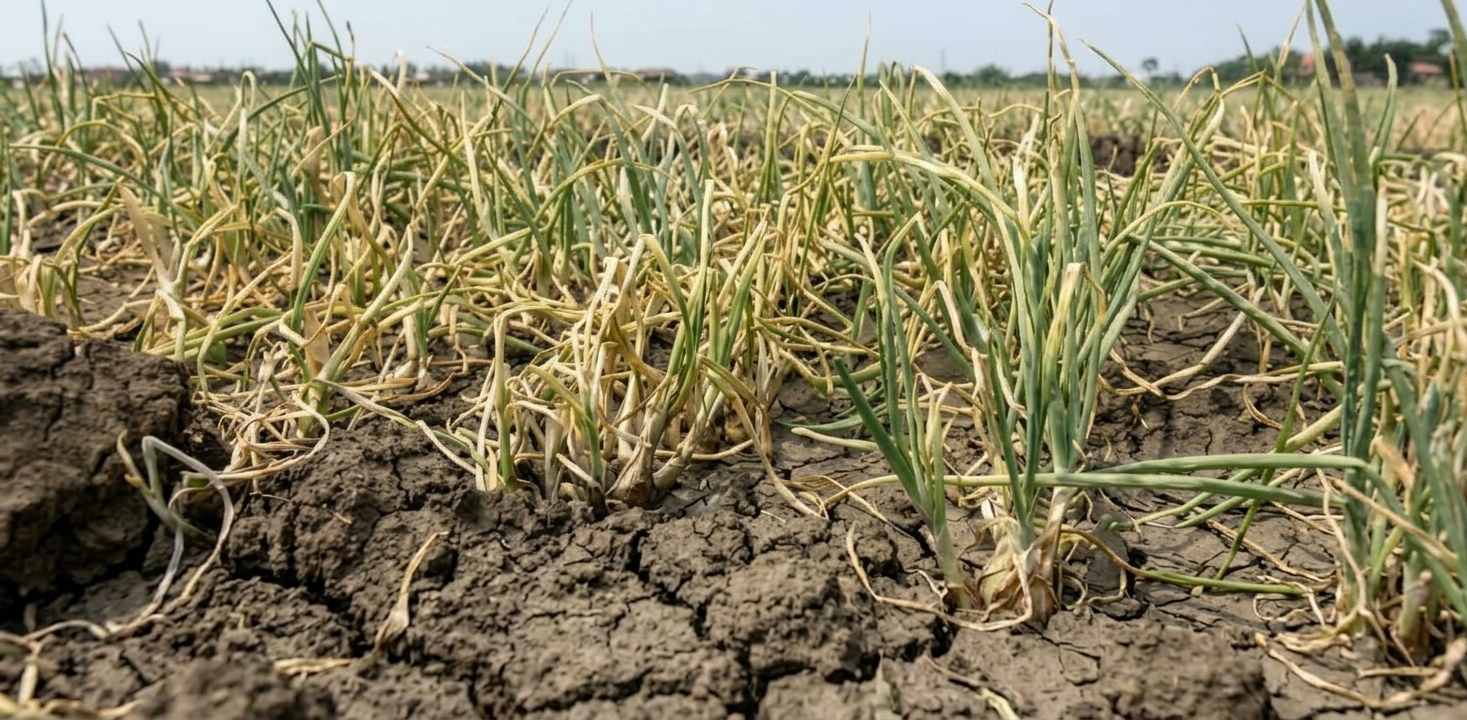
Image: "Blonde widow" disease on shallot leaves.
Why Janda Pirang Needs to Be Watched Out For
Infestations that occur at an early plant age are a particular concern because the plants have not had enough time to form bulbs optimally.
In the Brebes case observed by the IPB team, plants showing symptoms at around 35 to 40 days old had to be harvested while still young, and their economic value dropped to less than one-third of normal conditions.
Other reports have also shown that cases of janda pirang have caused plants around one month to 50 days old to be harvested earlier as farmers tried to reduce losses. This is why monitoring from the vegetative stage is important. The sooner changes in plant conditions are detected, the sooner Sobat SGI can determine the next steps.
Controlling Janda Pirang
Control measures should not be carried out based on a single symptom alone. In general, several initial steps that can be taken include conducting early monitoring, maintaining field sanitation, controlling weeds, practicing crop rotation, and monitoring thrips populations.
Read more: Janda Pirang and Thrips Pest Control Strategies Based on Red Onion Growth Stages
In this article, Sobat SGI can learn about control strategies starting from the vegetative stage, bulb formation, through to the period approaching harvest in a more targeted manner.
Janda pirang is one of the problems that needs attention in red onion cultivation because its symptoms can develop while the plants are still in an important growth stage.
The presence of thrips pests on symptomatic plants is one of the signs that needs to be monitored. However, the cause of janda pirang should not be concluded based solely on the presence of a single type of organism, as research still indicates the possible involvement of several factors.
For Sobat SGI, the most important step is to recognize changes in the plants from an early stage and conduct regular monitoring from the vegetative stage until approaching harvest.
With earlier observation, the risk of damage can be identified before the plant condition becomes more severe.
PT Sinar General Industries is always committed to providing solutions for farmers by supplying quality products to support plant growth and improve agricultural productivity.
If Sobat SGI needs information about quality fertilizer and pesticide solutions for various types of crops, consult your agricultural needs with us.
Visit https://pt-sgi.com/ to obtain information about products, consultation services, and agricultural solutions that suit your farming needs.
Related Articles
Shallot
30 September 2026
 Shallot
29 September 2026
Shallot
29 September 2026
 Shallot
28 September 2026
Shallot
28 September 2026
Related Products
-
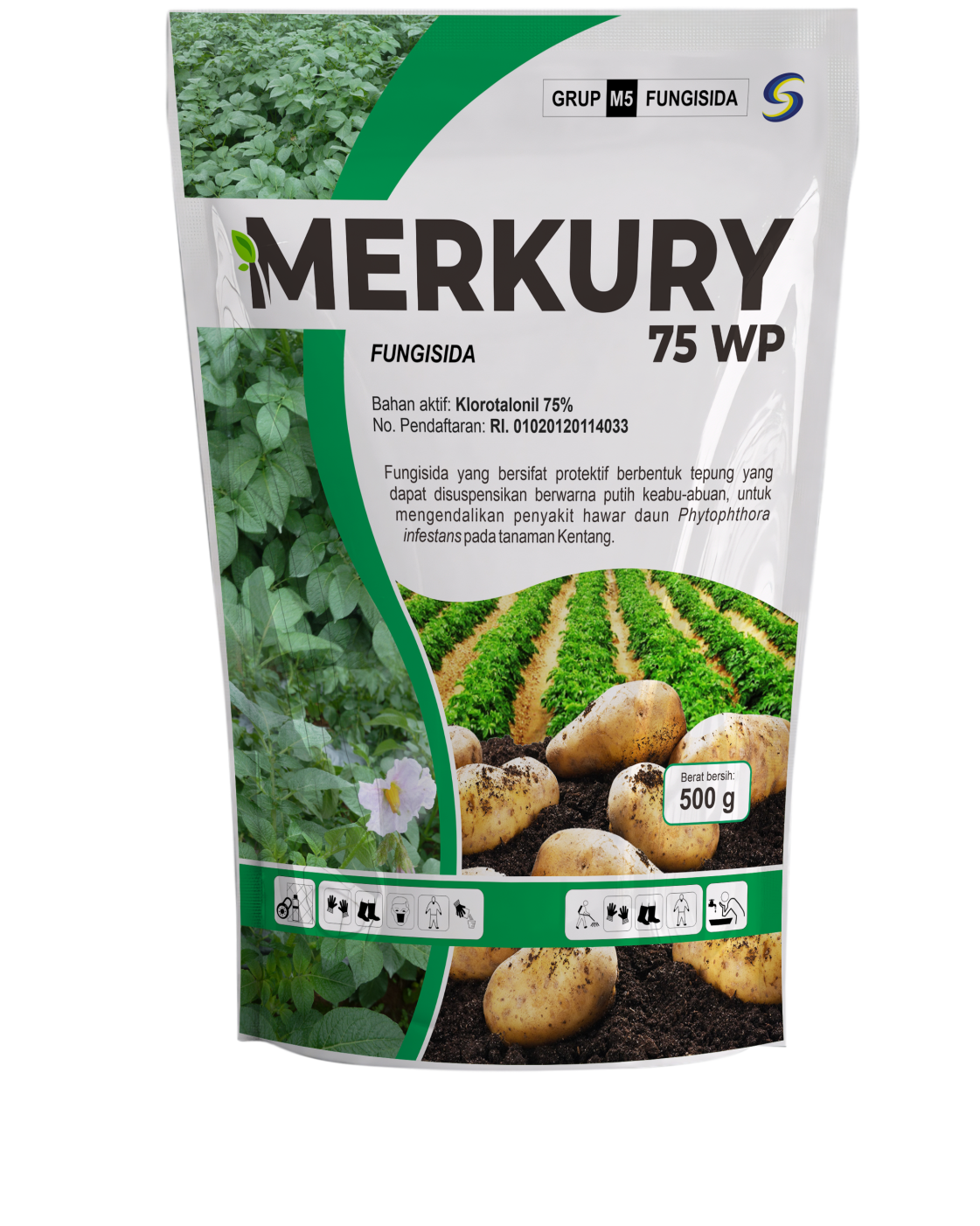


Fungicide
Merkury 75 WP
Chlorothalonil 75%.
-
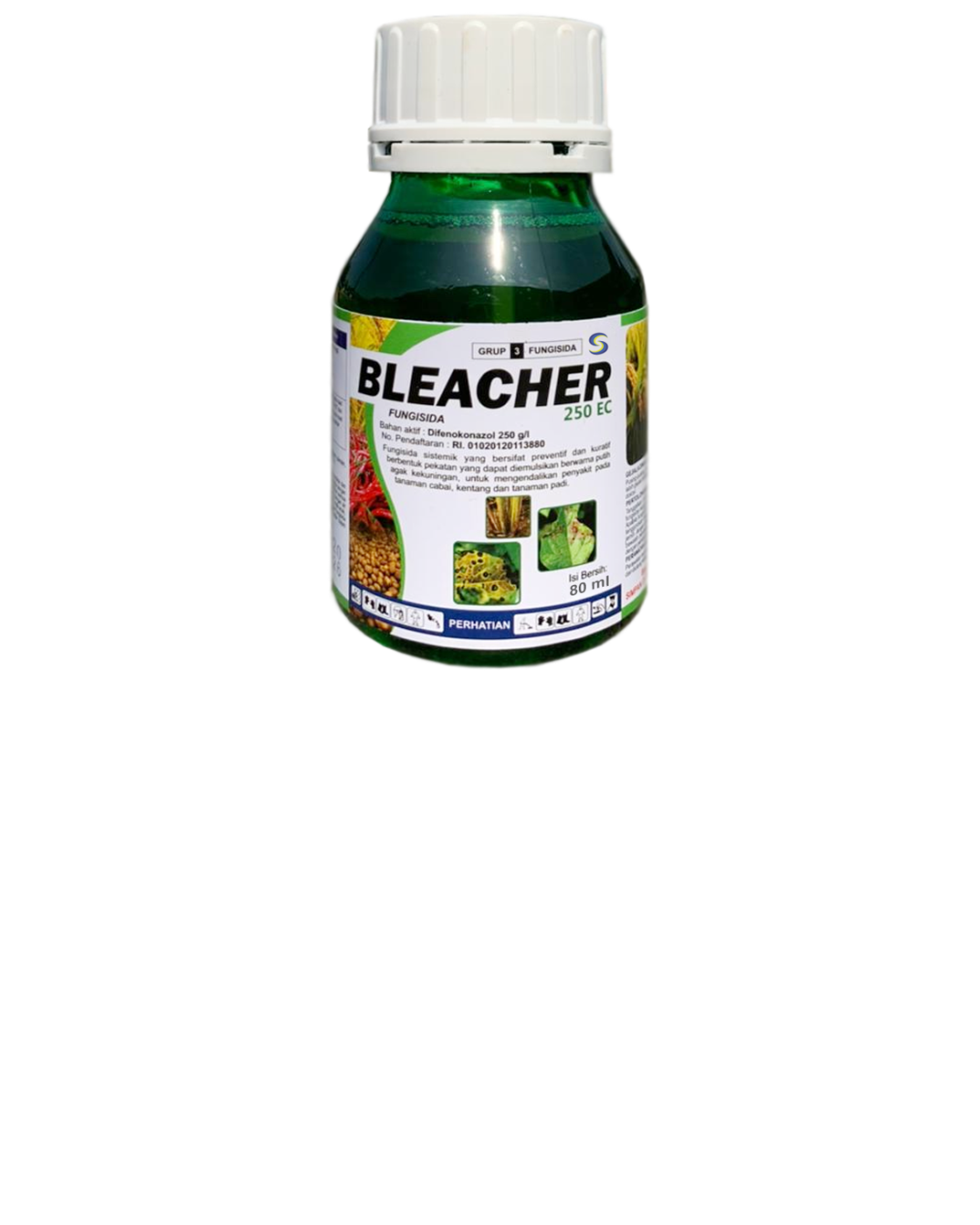

Fungicide
Bleacher 250 EC
Difenoconazole 250 g/l
-
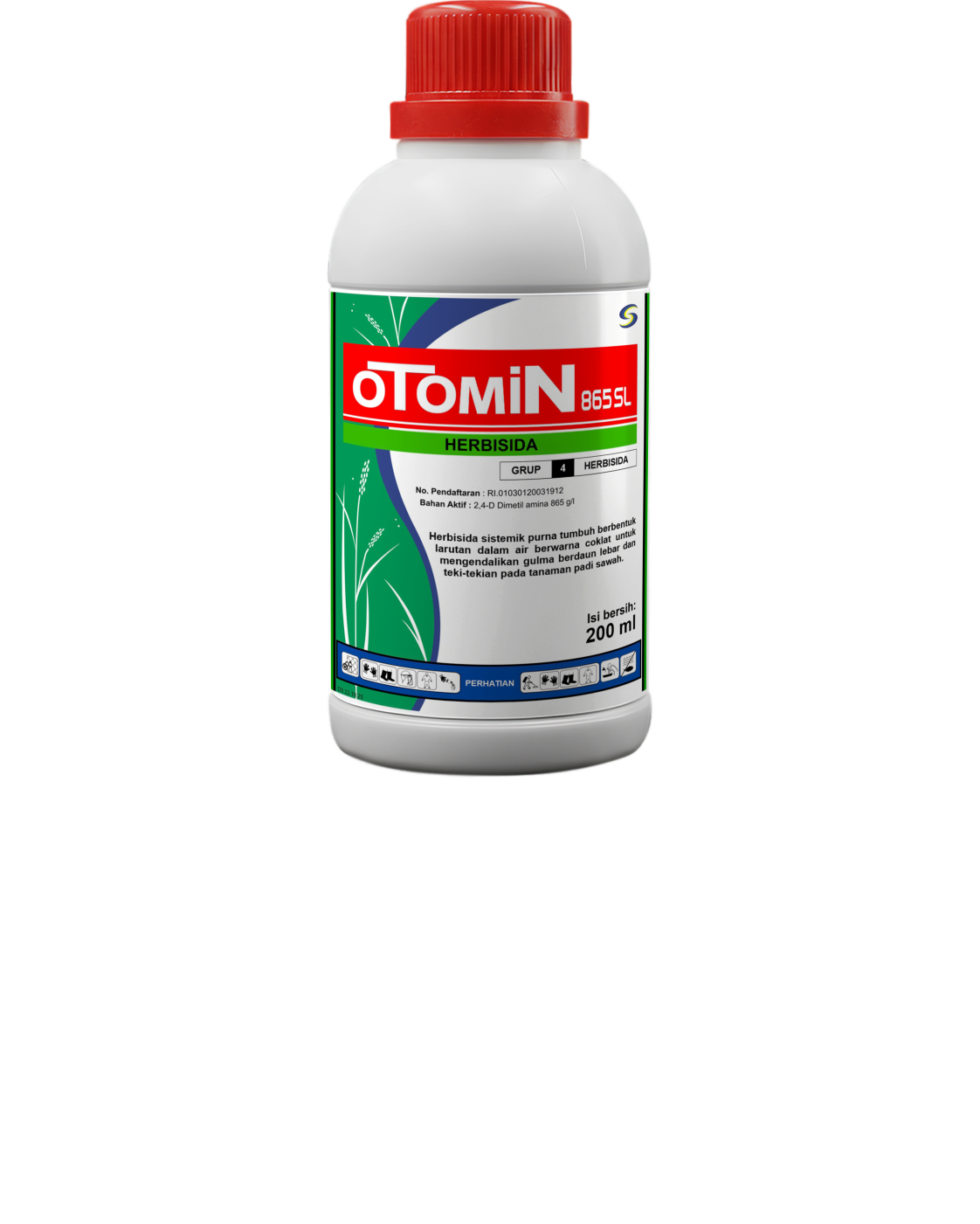

Herbicide
Otomin 865 SL
2,4-D Dimethylamine 865 g/l
-
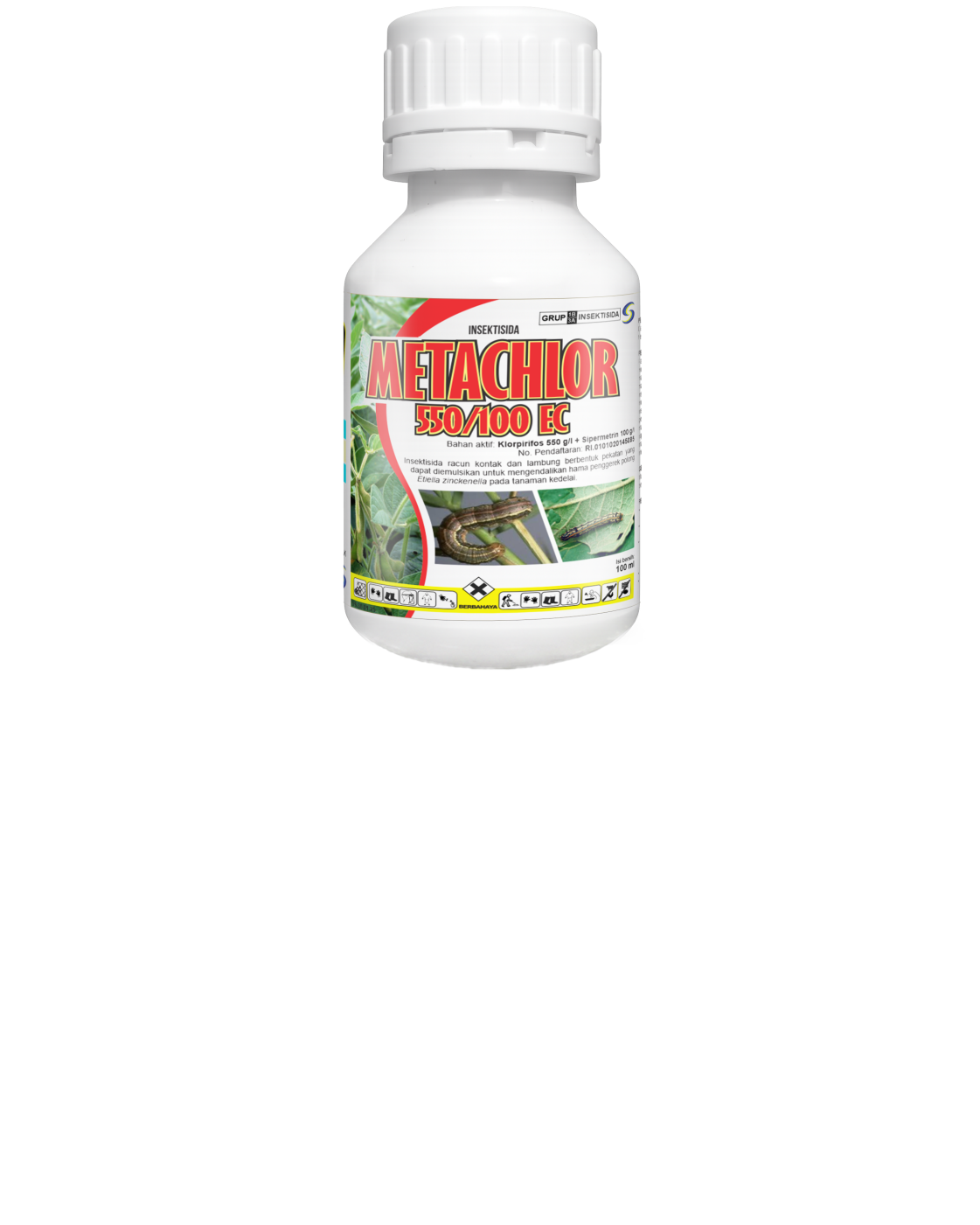

Insecticide
Metachlor 650 EC
Chlorpyrifos 550 g/l
Cypermethrin 100 g/l
-


Fungicide
Element 410 + 100 EC
Prochloraz 410 g/l
Propiconazole100 g/l
-

Herbicide
Syur-Up 625 SL
Isopropylamine glyphosate 625 g/l