




Beware of Red Onion Failure Caused by Pests
Share:
Failed Red Onion Harvest? Watch Out for These Two Pests
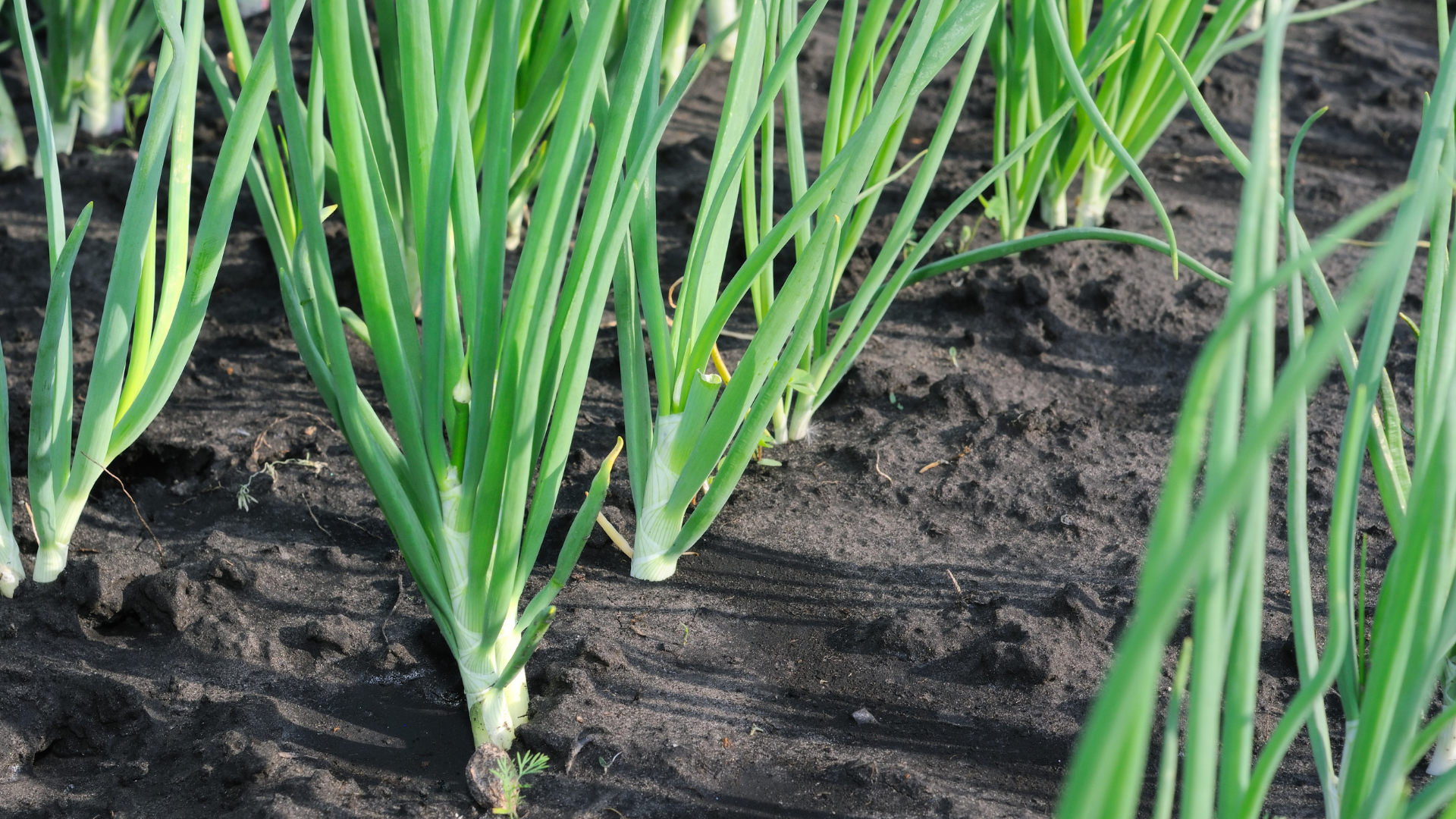
SGI - Red onions may seem simple once they’re in the kitchen. However, for farmers, producing healthy, marketable bulbs requires careful attention from the moment the plants begin to grow until just before harvest. Even minor changes in the leaves shouldn’t be taken lightly. Leaves that were once upright may begin to wilt, their green color may fade, growth may slow, and bulb formation may be disrupted as a result.
SGI friends need to understand that failures in shallot cultivation aren’t solely influenced by fertilizer, water, or weather. Plant Pests and Diseases (OPT) are one of the factors that can reduce yields if not identified early enough. Therefore, this article doesn’t just discuss shallots as a crop. Its main focus is on building awareness from the very beginning when plants first become vulnerable, what signs to look for, and why action against the two main pests leaf miners and caterpillars must not be delayed until widespread damage is visible.
In Indonesia, particularly in lowland areas, infestations by the pest S. exigua are a serious problem for shallot crops. Yield losses due to shallot caterpillar infestations range from 45–57%.
Shallots are one of Indonesia’s important agricultural commodities and were able to reach Southeast Asian markets throughout 2024 to 2025. Demand for this commodity also has the potential to increase in line with changing food consumption trends in society. This condition also creates opportunities to increase farmers’ income. Nevertheless, shallot cultivation still faces various challenges, such as price fluctuations, inconsistent supply availability, and pest attacks that can reduce production and even pose a risk of crop failure.
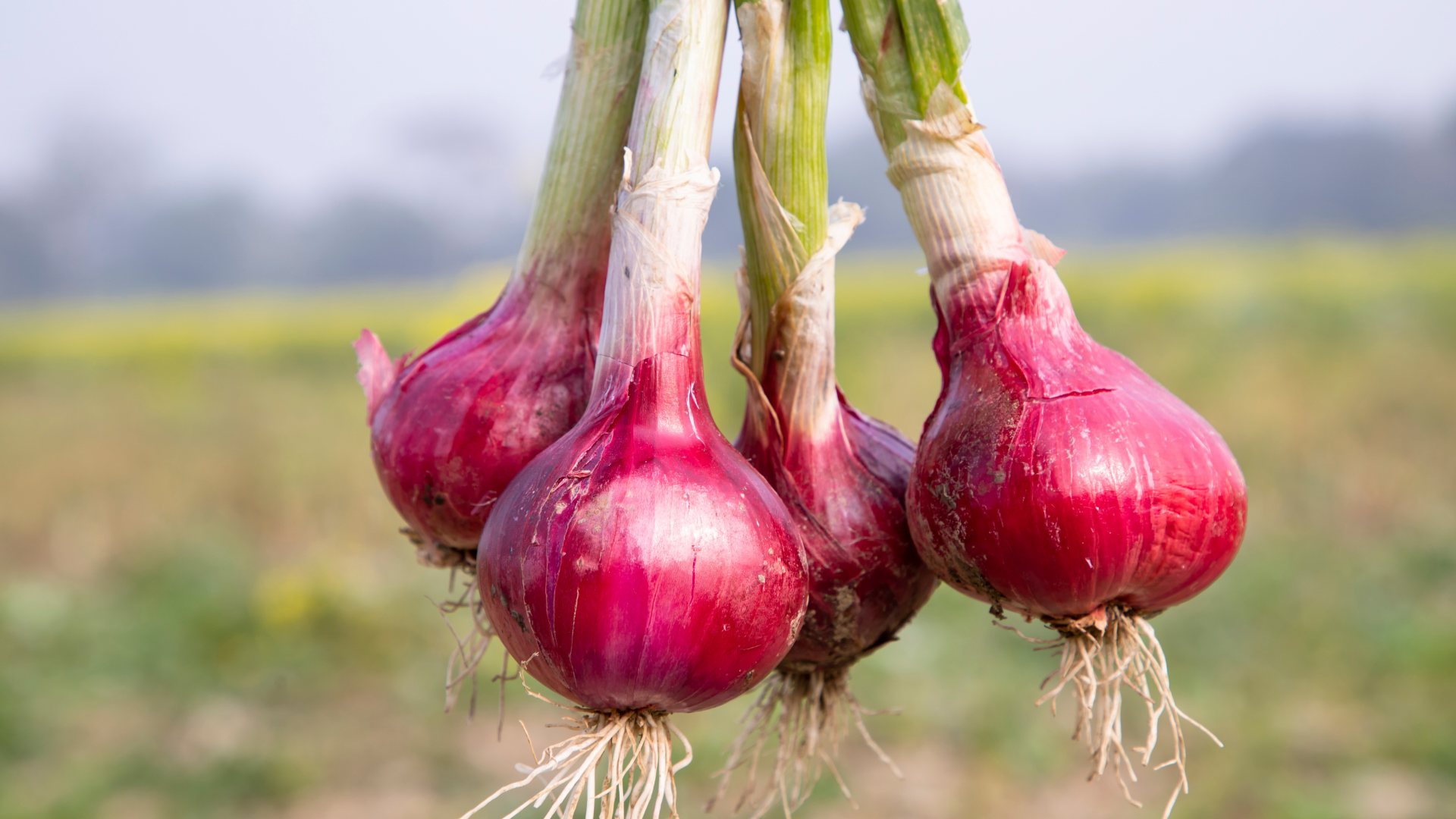
Figure. Red Onion Plants
Why Can Red Onion Experience Crop Failure?
Shallots can experience reduced yields due to many factors, ranging from weather, seed quality, soil conditions, irrigation, fertilization, to OPT attacks. These factors can also reinforce one another. Plants that are under stress due to water or nutrient deficiencies, for example, may become less capable of maintaining growth when pest attacks occur at the same time.
Therefore, building awareness does not mean assuming that every change in the crop is caused by pest attacks. The purpose is to help SGI Friends become accustomed to checking the crop and identifying the cause before the damage spreads. Earlier identification provides more options for action and helps avoid rushed decisions.
Red Onion Grow Quickly, and the Risks Can Appear Quickly Too
The cultivation period of shallots is relatively short. During the early stage, around 0–20 days after planting, the crop develops its roots and leaves. At around 21–35 days, vegetative growth becomes more active. After that, at around 36–50 days, the crop begins to focus on bulb formation, before entering the bulb maturation stage at around 51–60 days. These growth stages are important because leaf damage occurring at different times can have different effects on crop development.
Shallot leaves are not merely the green parts visible above the soil surface. The leaves are the main organs where the plant captures light to produce energy. If the leaf tissue continues to be damaged, the plant’s ability to support bulb formation may also be disrupted. This is why small symptoms such as spots, streaks, or sections of leaves that have been eaten should not be ignored.
During the early stage, damage can interfere with canopy development. During the vegetative stage, repeated damage can reduce the healthy leaf area. When bulb formation begins, the crop requires leaves to remain in good condition so that energy can be directed toward bulb enlargement. Therefore, “waiting until the damage becomes severe” is a risky habit.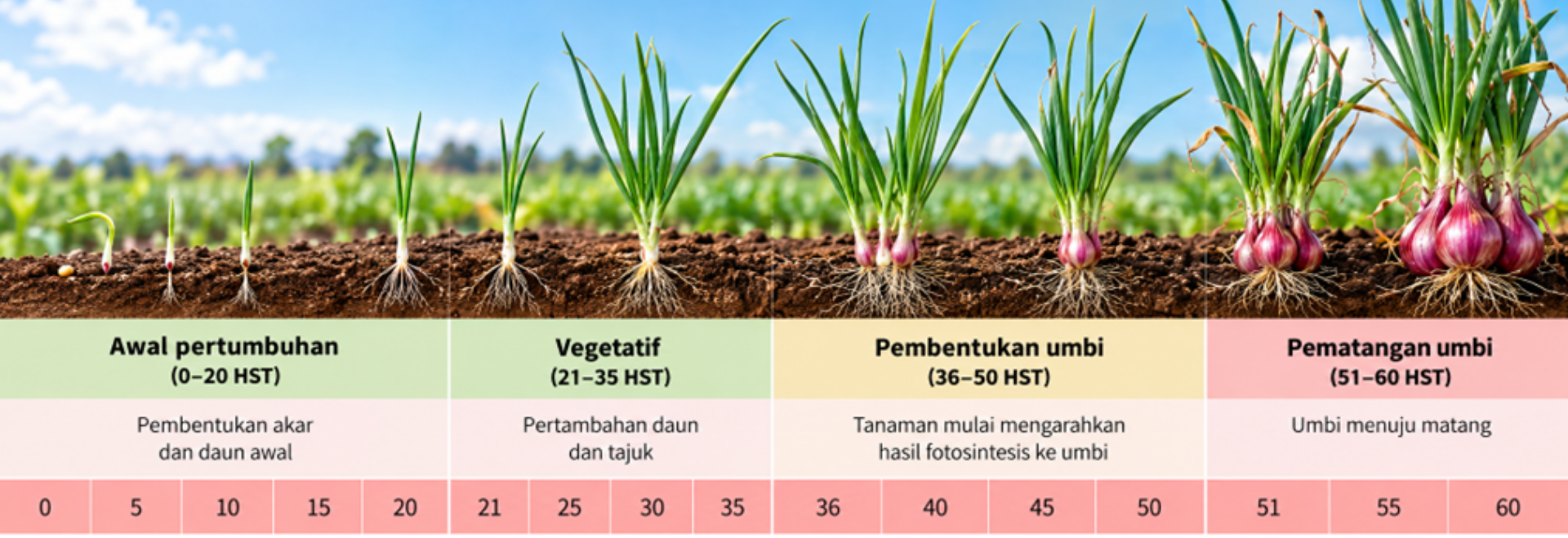
Figure. Growth stages of red onions used as a guide for field monitoring.
Understand the Growth Stages Before Discussing the Pests
One of the most practical ways to understand OPT risks is to observe them according to the crop’s growth stages. The following illustration shows the development of the crop from the vegetative stage to bulb formation and maturation. The age range under field conditions may shift slightly depending on the variety, field conditions, weather, and cultivation techniques, but the sequence can help farmers determine which parts of the crop need greater attention at each stage.
Why Can Leaf Damage Lead to Suboptimal Bulb Yields?Shallot leaves are not merely the green parts standing above the soil surface. Leaves are the main organs where plants capture light and carry out photosynthesis. The products of this process are then used to maintain growth, form new tissue, and, at later stages, support bulb formation and enlargement. Therefore, leaf damage should be viewed as damage to the plant’s energy source, not merely as a change in appearance. The impact is strongly influenced by the timing of the attack. If leaves are damaged when the plants are still young, canopy growth may be delayed. If the damage continues when the plants enter the bulb formation stage, the plants must divide their resources between maintaining the remaining tissue and filling the bulbs. Under severe attack conditions, the final result may include uneven bulb size, delayed growth, or productivity that falls below expectations. However, SGI Friends also need to avoid drawing excessive conclusions. One damaged leaf does not automatically mean that the crop will fail. What needs to be observed is the pattern of damage, the extent of the attack, its development from day to day, the age of the crop, and the overall condition of the field. Therefore, regular monitoring is much more useful than waiting until the damage becomes obvious. The main purpose of monitoring is to determine whether the disturbance is still limited or is continuing to develop so that action can be taken at the right time. Two Leaf Threats That Should Not Be Treated as the SameIn this article series, two pests will receive particular attention: the leaf miner and the beet armyworm. Both can damage leaves, but they cause damage in different ways. Understanding these initial differences is important because the control strategies in the upcoming POPT articles will be arranged according to the target pest, the stage of infestation, and the condition of the crop.
Leaf Miners Can Attack Even When the Crop Is Still YoungThe leaf miner Liriomyza chinensis is one of the important pests of shallots. A publication by the Agricultural Research and Development Agency explains that this pest can damage newly emerging shallot leaves as well as older plants. Its life cycle is approximately three weeks, and a single female has been reported to lay around 50 to 300 eggs. This helps explain why mining trails that initially appear limited can increase when monitoring is delayed. The same publication reported that leaf miner attacks have caused concern among farmers and, under severe conditions, may be associated with crop failure. This information does not mean that every attack will end in total crop loss, but it is sufficient reason not to consider mining trails on leaves as ordinary damage. To learn more about the stages of infestation, field symptoms, and specific control strategies, read the follow-up article: The Danger of Leaf Miner Attacks on Red Onion Beet Armyworm, a Small Pest with Potentially Major ImpactThe beet armyworm Spodoptera exigua is also known as one of the major pests of shallots. The larvae can enter and damage leaf tissue, causing the leaves to appear whitish and transparent. A publication by the Vegetable Crops Research Institute noted that previous studies reported yield losses caused by beet armyworm ranging from 45 to 57 percent. The extent of the losses depends greatly on pest population, crop age, environmental conditions, and the accuracy of control measures. Therefore, these figures should be understood as an illustration of potential risk rather than a figure that will necessarily occur in every field. What is more important for SGI Friends is how to recognize the early signs. Do not wait until extensive leaf damage occurs. In several locations, collecting egg clusters and larvae while the plants are still young has become part of mechanical control. This approach shows that simple actions carried out early can help prevent pest populations from developing uncontrollably. Do Not Wait Until the Leaves Are Damaged Before Recognizing the Crop’s EnemiesShallots have a relatively short cultivation period. Therefore, every growth stage matters. Leaf damage at a young age can interfere with canopy formation, while damage that continues during bulb formation can reduce the plant’s ability to supply energy for crop yield. This is the relationship farmers need to understand: pest threats are not only about whether insects are present or absent, but also about when the damage occurs and how quickly it develops. The purpose of this article is to build awareness before farmers enter the control stage. SGI Friends do not need to immediately conclude that all leaf damage is caused by caterpillars or leaf miners. What is more important is developing the habit of inspecting crops, recognizing symptom patterns, and understanding growth stages. Once the target pest has been identified, control strategies can then be discussed more specifically through the POPT articles. A discussion of vulnerable stages, egg clusters, larvae, control thresholds, and POPT strategies will be presented in the follow-up article: The Danger of Caterpillar Attacks on Red Onion PT Sinar General Industries remains committed to providing solutions for farmers through the provision of quality products that support crop growth and improve agricultural productivity. If SGI Friends need information regarding quality fertilizer and pesticide solutions for various types of crops, consult your agricultural needs with us. Visit https://pt-sgi.com/ to obtain information about products, consultation services, and agricultural solutions suited to your farming needs. |
Related Articles
Shallot
30 September 2026
 Shallot
29 September 2026
Shallot
08 May 2026
Shallot
29 September 2026
Shallot
08 May 2026
Related Products
-
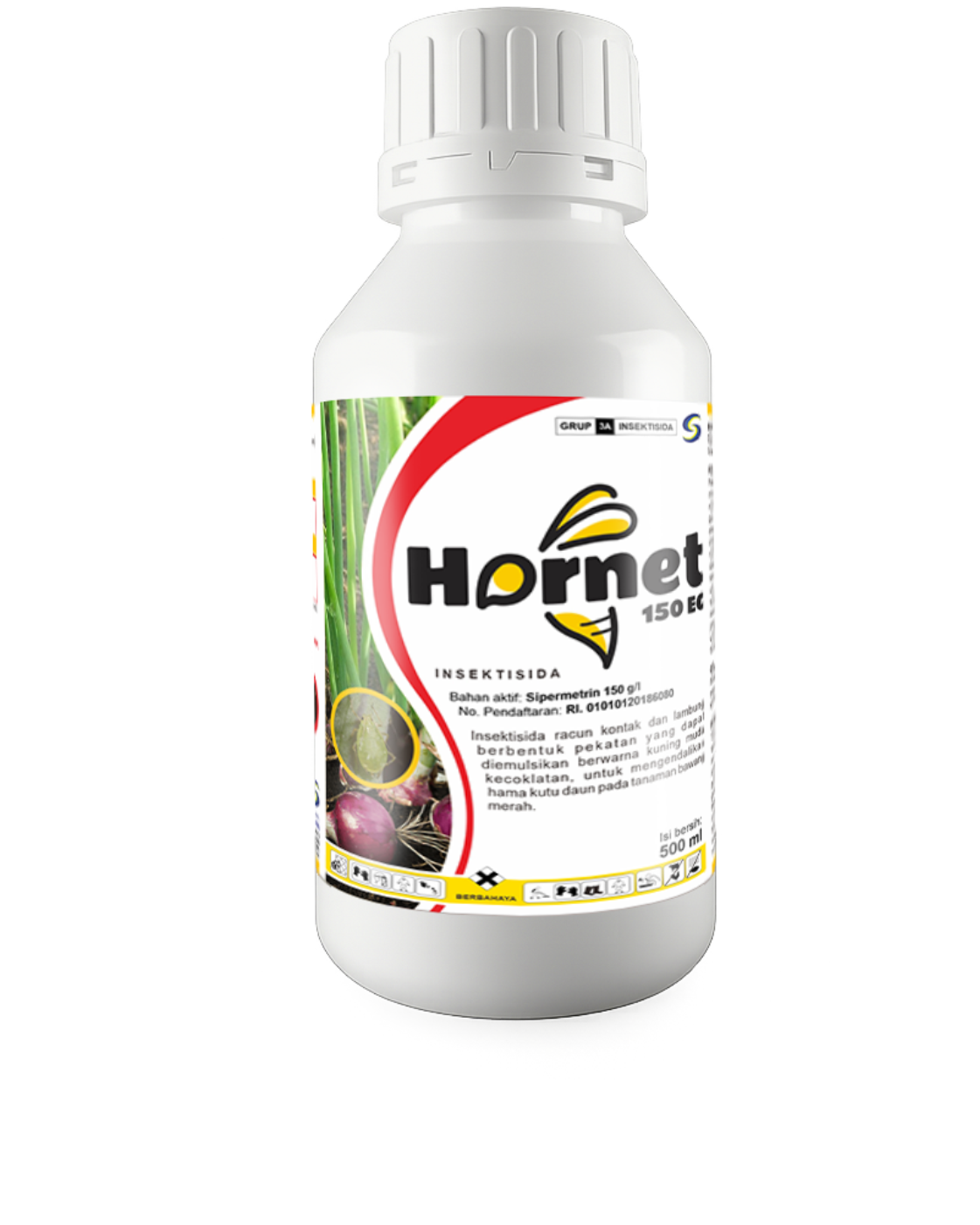


Insecticide
Hornet 150 EC
Cypermethrin 150 g/l
-
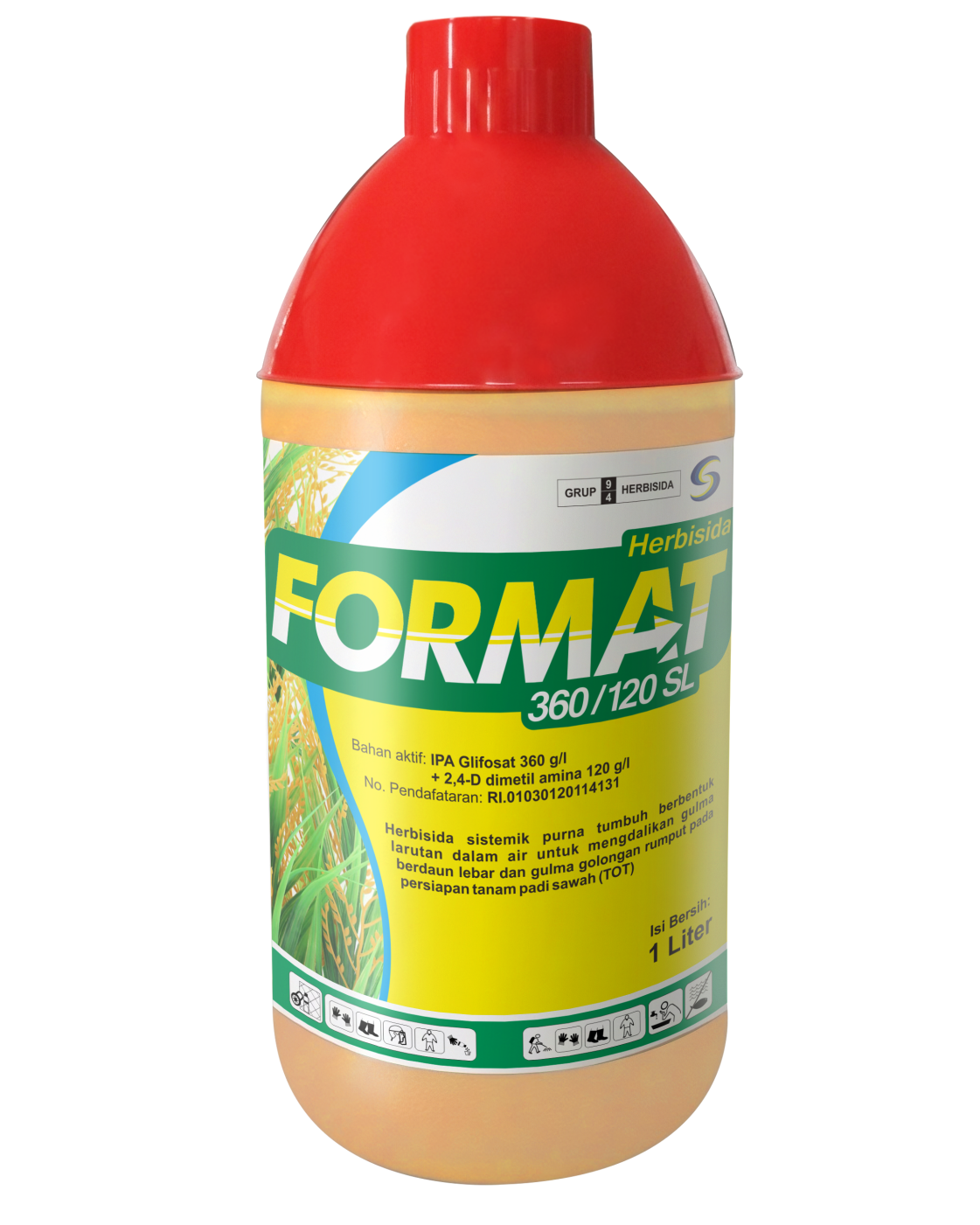

Herbicide
Format 360/120 SL
Glyphosate 360 g/l IPA salt
2,4-D dimethylamine 120 g/l
-
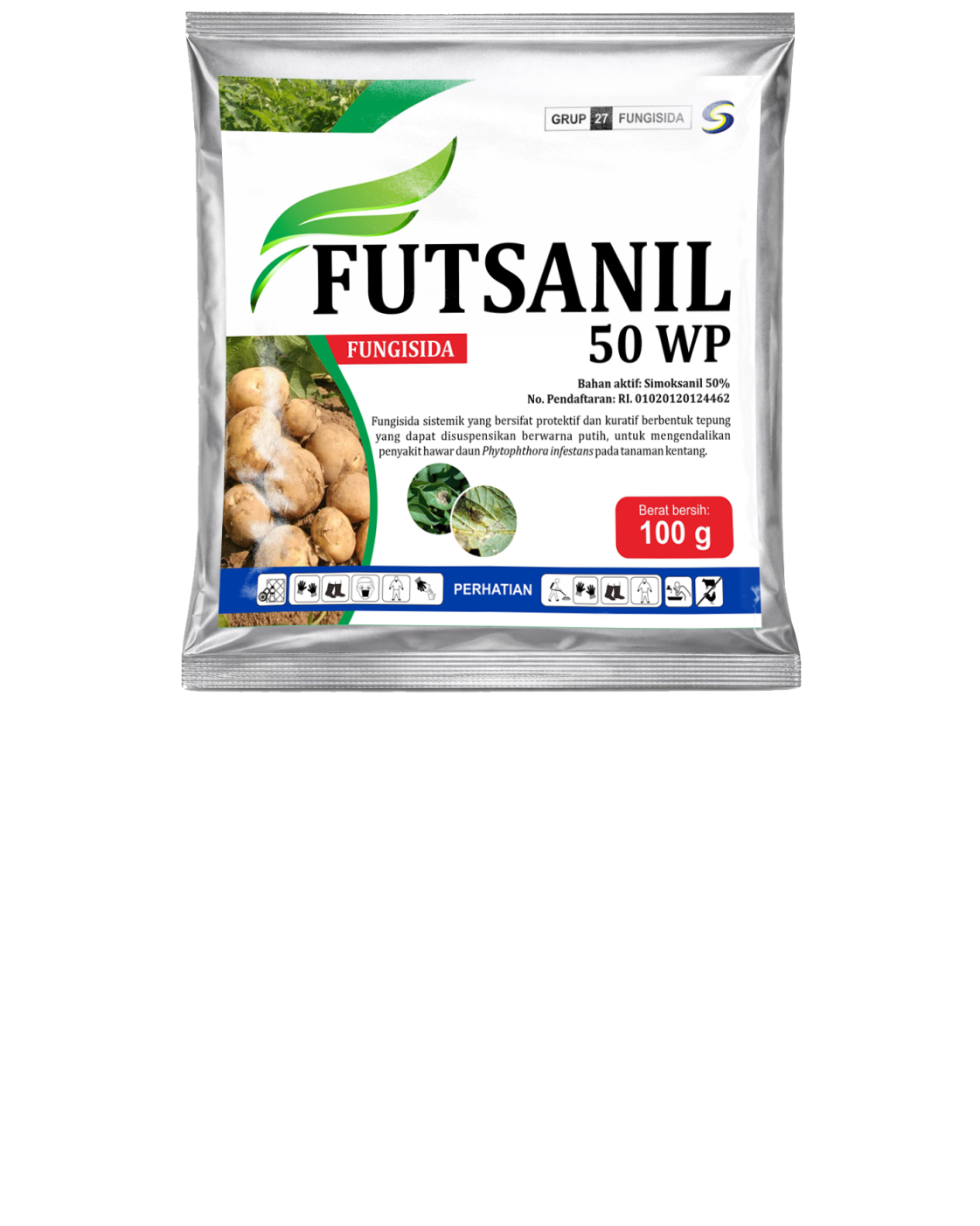

Fungicide
Futsanil 50 WP
Cymoxanil 50%
-
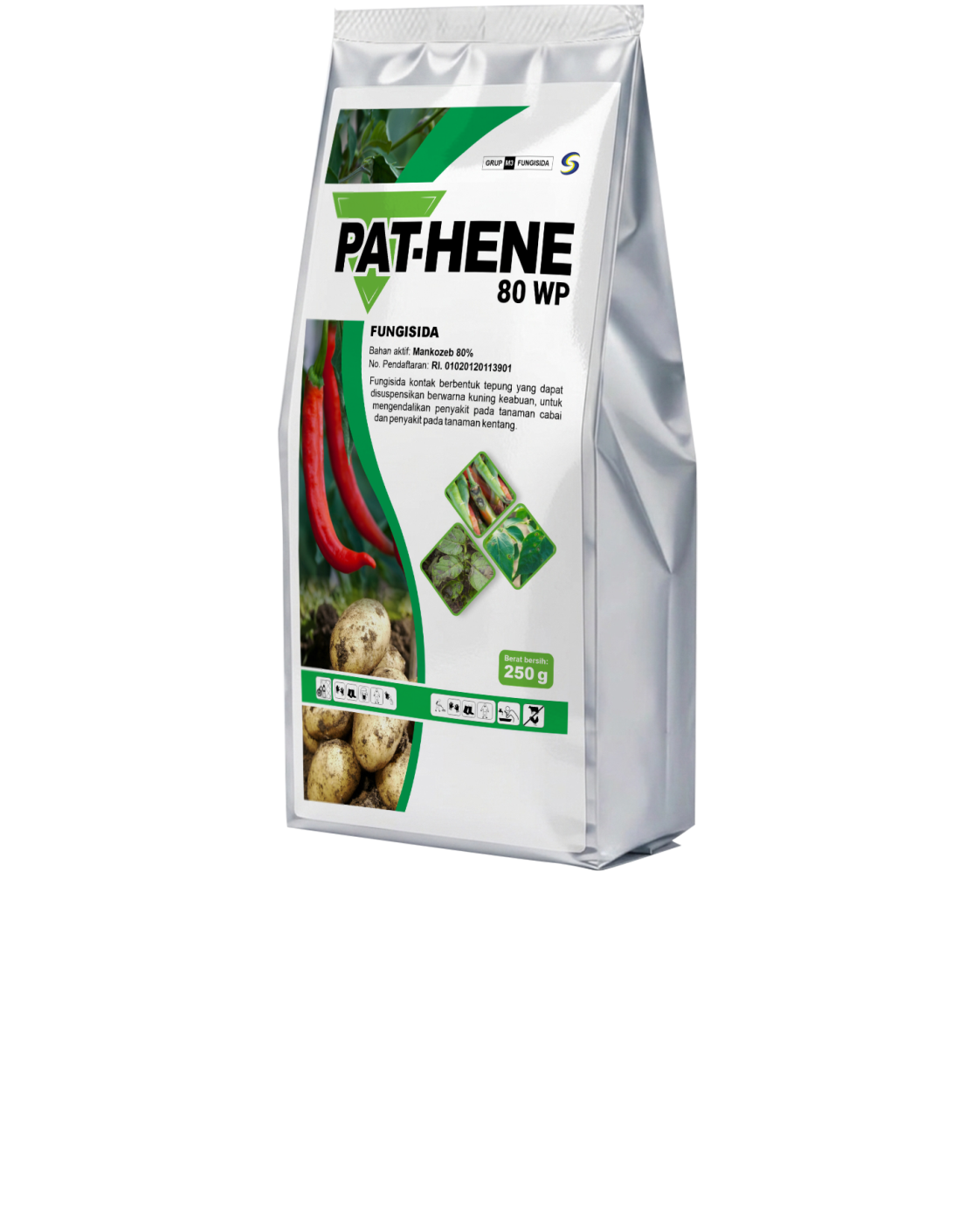

Fungicide
Pat-Hene 80 WP
Mancozeb 80%
-

Herbicide
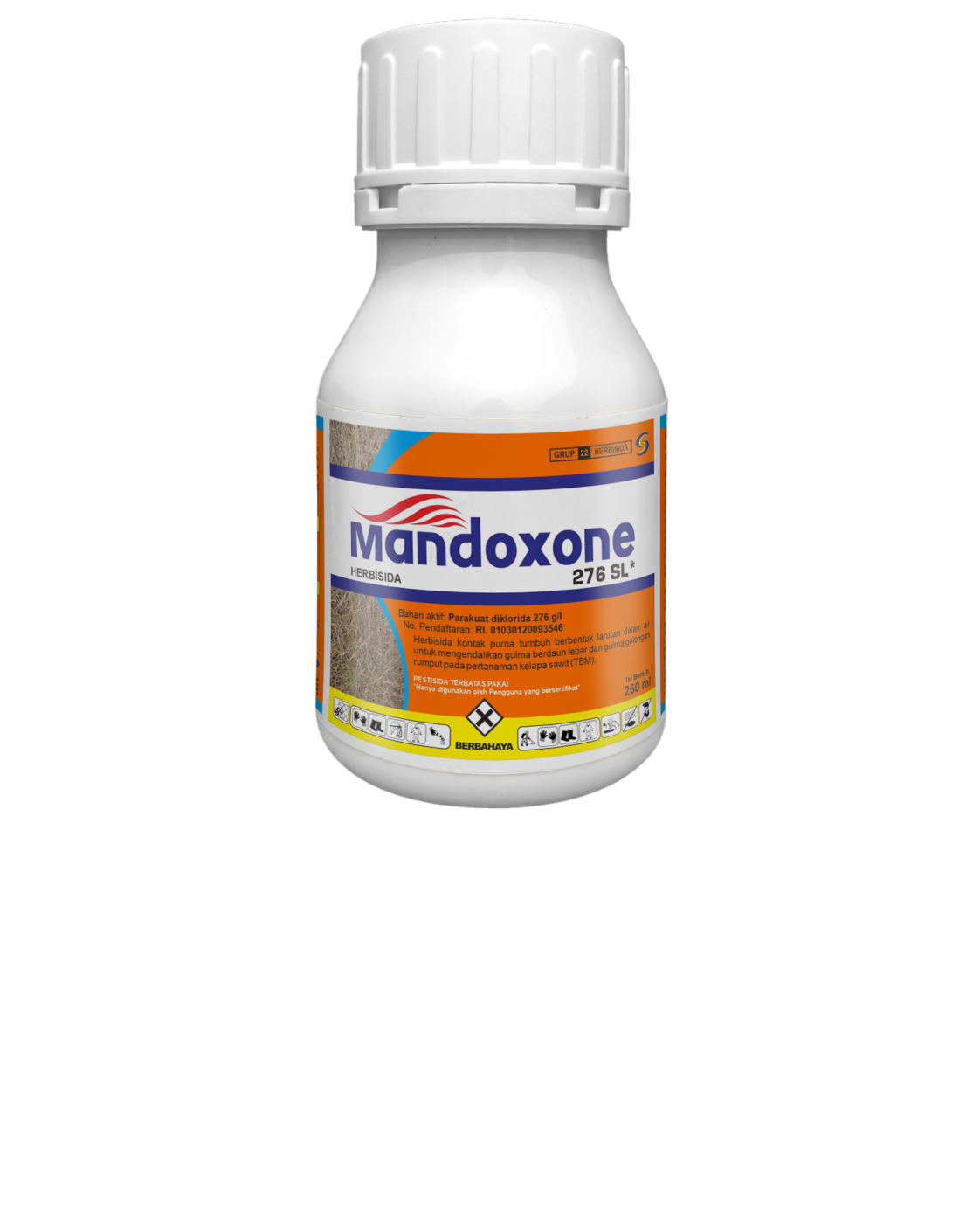
Mandoxone 276 SL
Parakuat diklorida 276 g/l
-

Herbicide
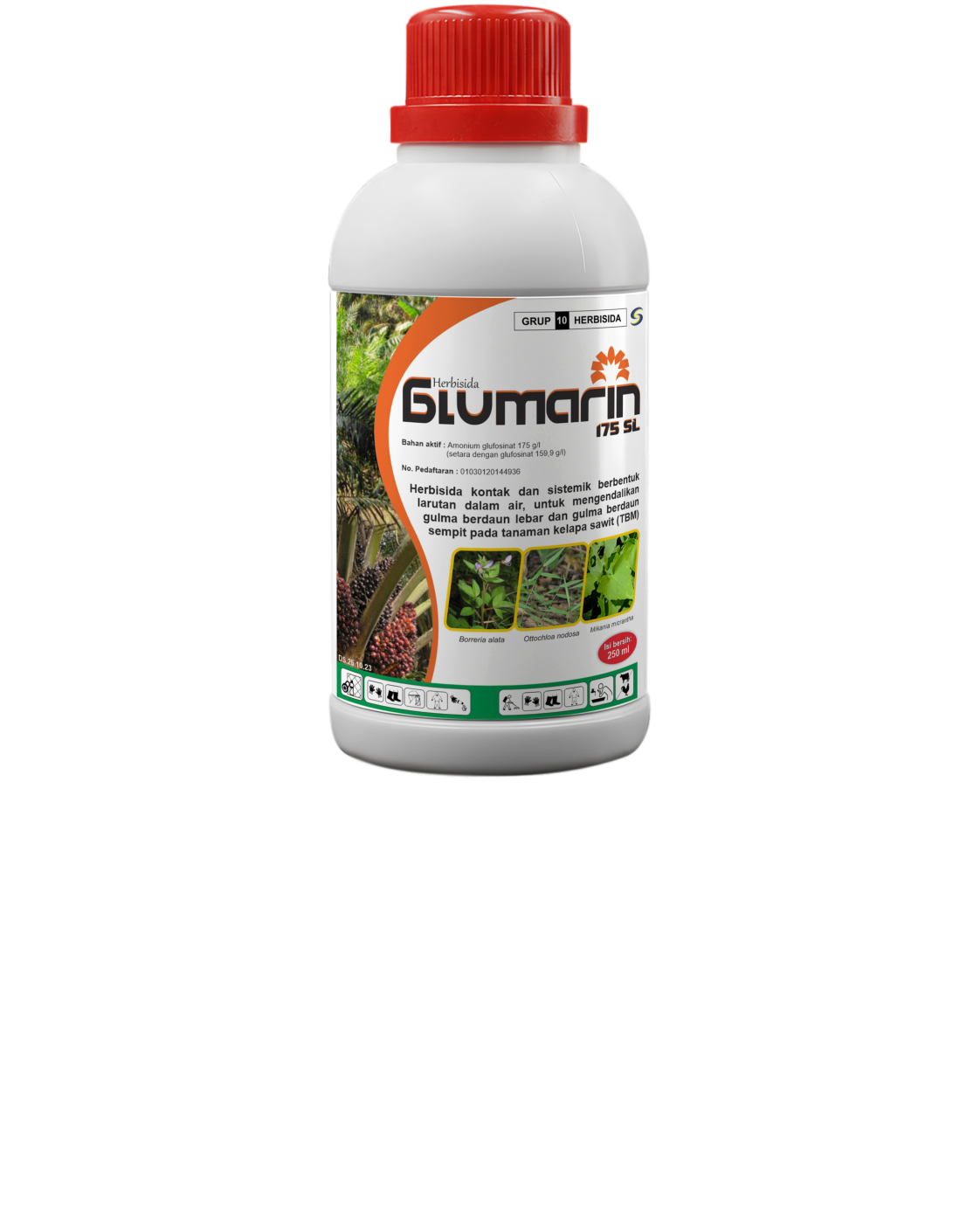
Glumarin 175 SL
Glufosinate-ammonium 175 g/l