




Danger of Leaf Miner Attacks on Red Onion
Share:
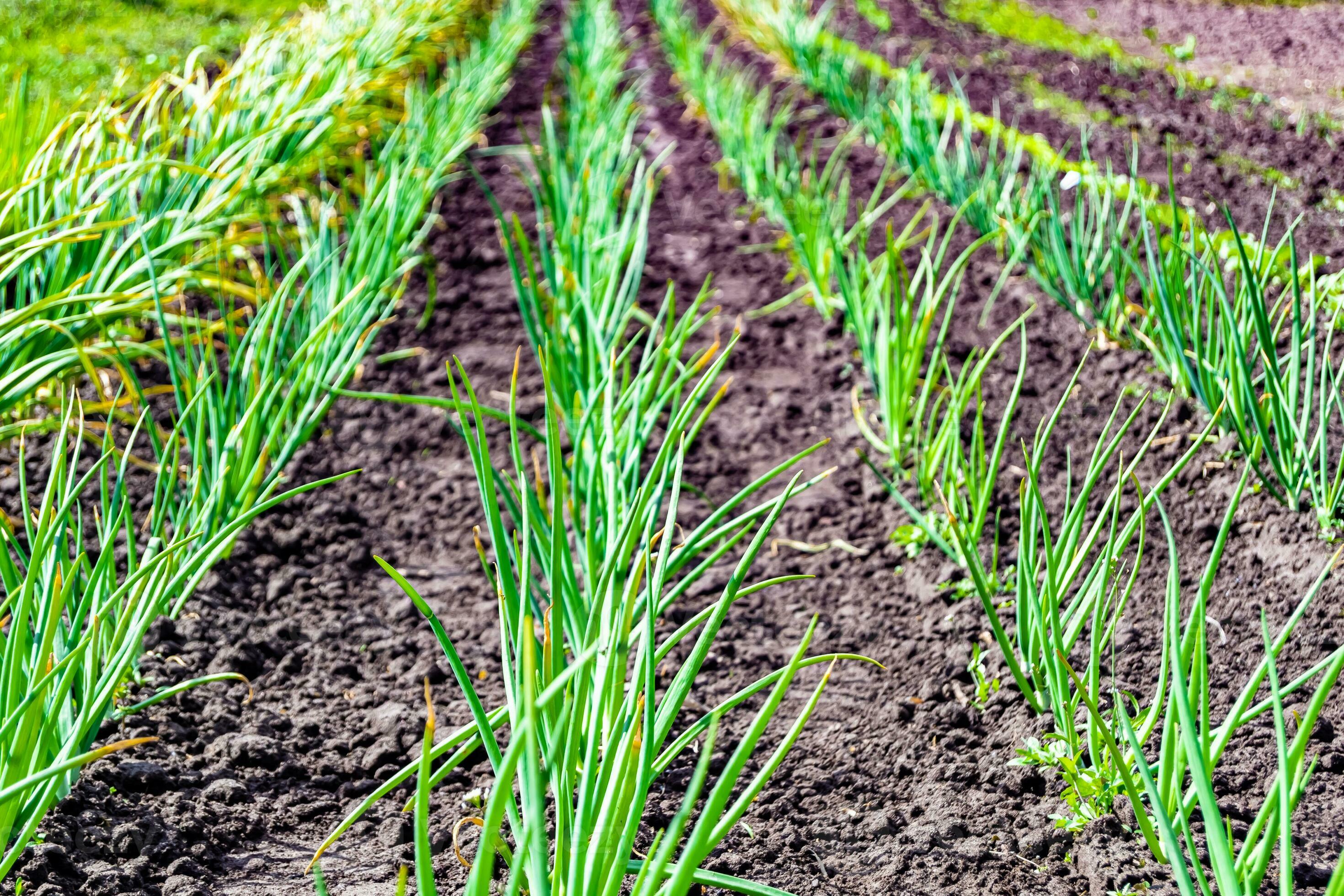
Controlling Leaf Miners on Red Onion Plants
SGI - SGI Friends, red onion plants that still look green are not necessarily free from threats. Leaf miner pests can begin damaging leaf tissue while the plants are still young. The damage also does not always look like pest bites from the outside because the larvae live and feed inside the leaf tissue. When the mines have spread extensively, the leaves’ ability to carry out photosynthesis decreases, plant growth is disrupted, and bulb formation can also be affected.
An important leaf miner on red onion that requires attention is Liriomyza chinensis. Literature from the Indonesian Agency for Agricultural Research and Development states that this pest can damage leaves from the time the plants have just emerged until they are mature, and under severe attack conditions it can be associated with crop failure. The Directorate General of Horticulture has also documented leaf miner attacks on red onion accompanied by economic losses and reports of crop failure among some farmers. However, SGI Friends need to understand that not every attack automatically causes a 100 percent yield loss. The level of loss depends greatly on plant age, attack intensity, environmental conditions, and the accuracy of control measures
POPT Key Point |
Why Are Leaf Miners Dangerous to Red Onion?
Red onion leaves are not merely the green parts of the plant. The leaves are the main site of photosynthesis, which provides energy for growth and bulb formation. When leaf miner larvae create tunnels inside the tissue, the healthy leaf area decreases. Widespread attacks can cause the leaves to dry out and turn brown as if they have been burned.
Research from the Ministry of Agriculture explains that a female fly can produce around 50–300 eggs. The egg stage lasts around 2–4 days, the larval stage around 6–12 days, the pupal stage around 11–12 days, and one life cycle lasts approximately three weeks. This relatively short cycle means population changes need to be monitored from one week to the next, not only when symptoms have already become severe.
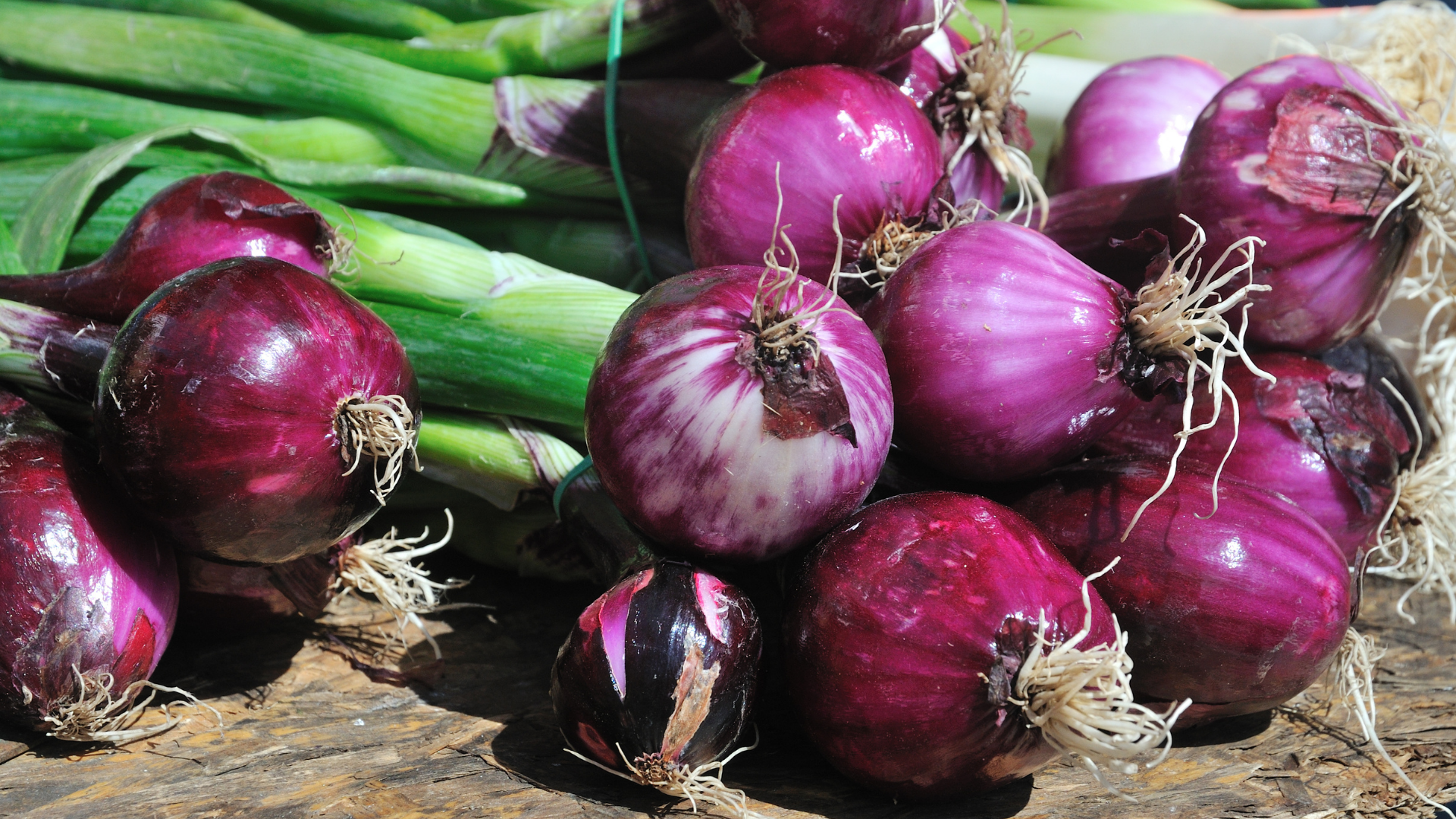
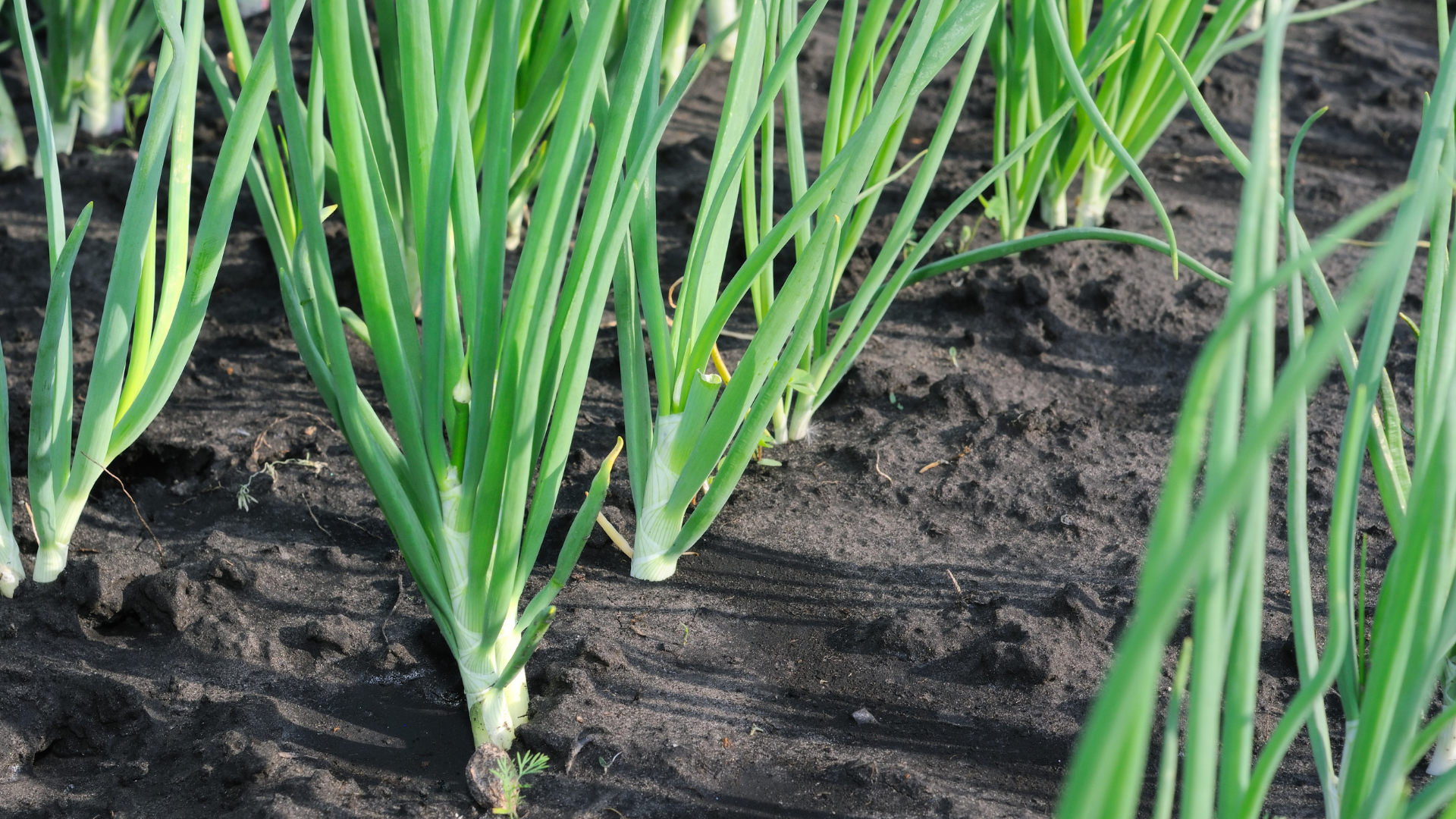
Figure. Red Onion Plants
Recognize the Life Cycle of Liriomyza chinensis Before Taking Action
Adult Fly
The adult insect is small. The female inserts its egg-laying apparatus into the leaf. These punctures can cause small white spots, which are one of the early signs of the pest’s presence.
Egg
The eggs are clear white and measure 0.28 mm x 0.15 mm. The fly eggs are laid inside red onion leaves. The leaf miner egg stage lasts 2–4 days.
Larva
After the eggs hatch, the larvae remain inside the leaf tissue and create winding mines. This larval stage is the easiest to recognize through the characteristic damage pattern on the leaves.
Pupa
After completing the larval stage, the pest enters the pupal stage. Because part of the life cycle takes place on the plant and around the field, control is not sufficient with only a single spray. Sanitation, monitoring, and integrated measures are still required.
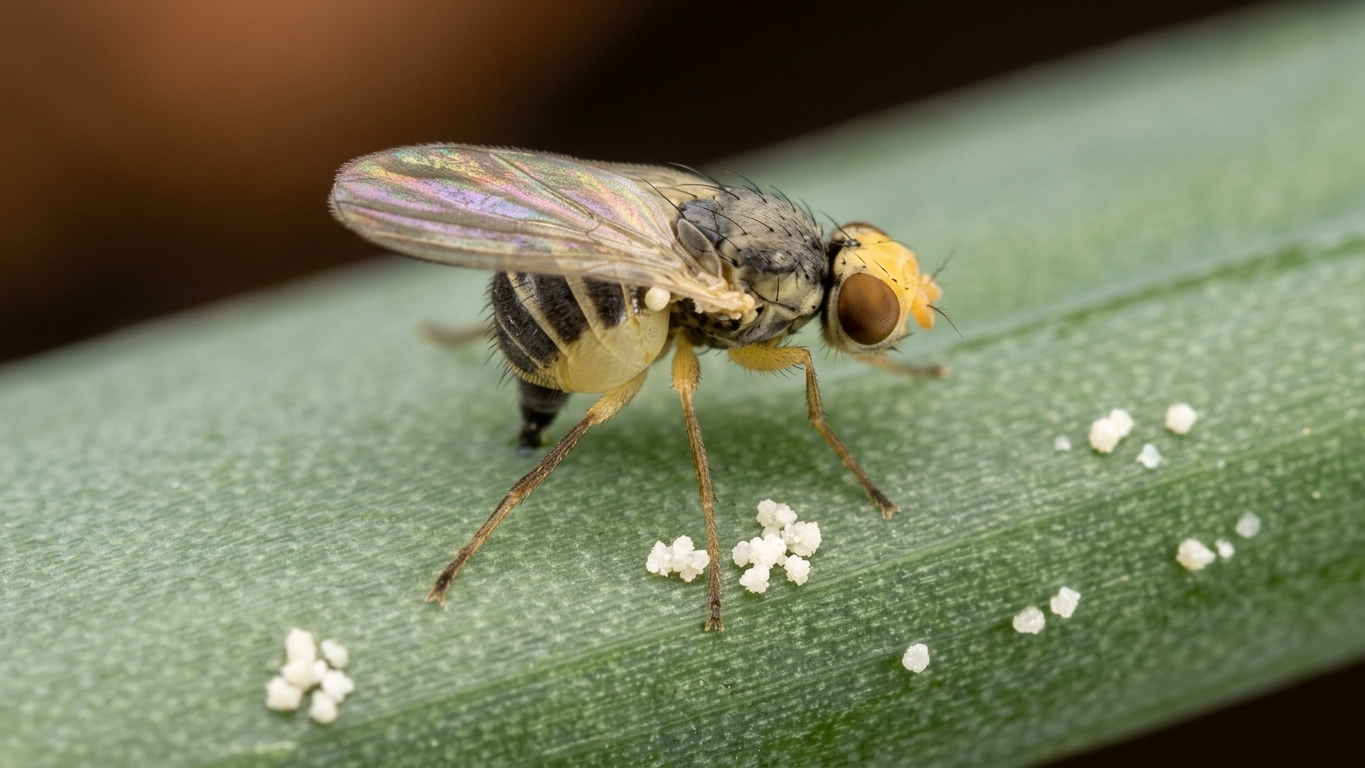
Figure. Liriomyza chinensis Pest
Leaf Miner Attack Phases: Be Alert from 5 to 55 HST
The following illustration of red onion growth phases is used as a practical guide to determine the focus of field observations. The 5–55 HST range should be understood as a period for vigilance and monitoring, not as an absolute biological limit. Ministry of Agriculture literature states that Liriomyza chinensis can attack plants from the time they have just emerged until they are mature.
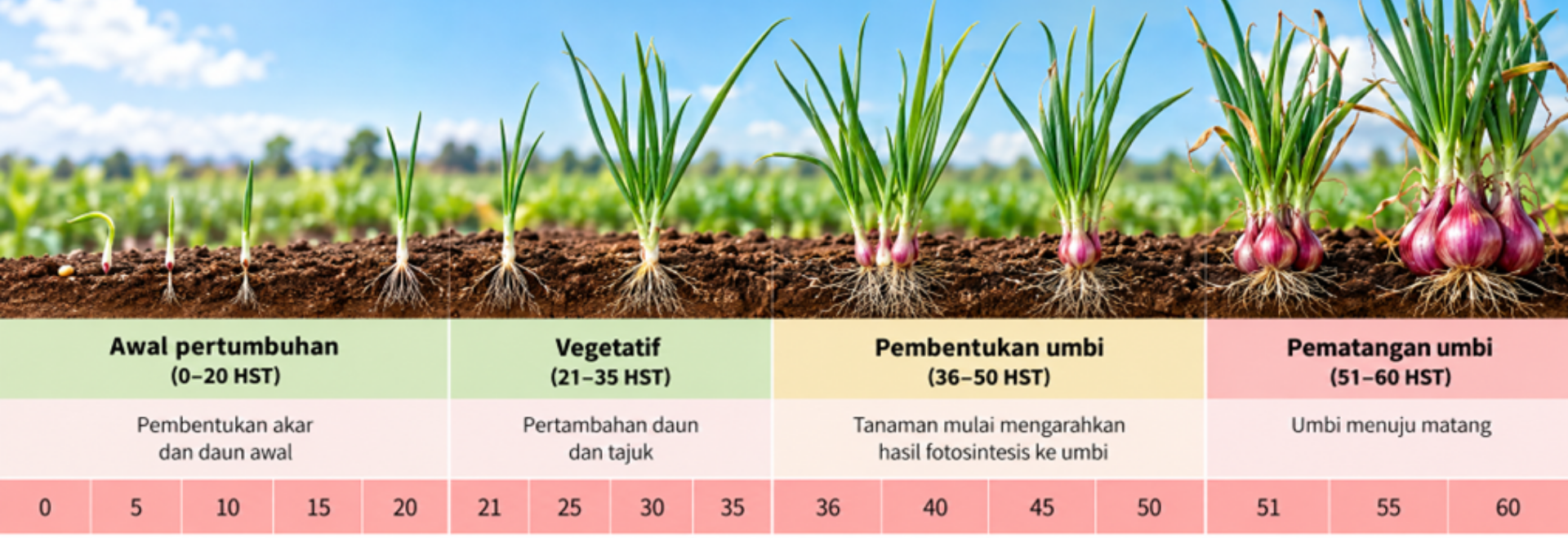
Figure. Red onion growth phases as the basis for leaf miner monitoring.
Age | Phase | Plant Condition | POPT Focus | Reason |
5–10 HST | Early growth | The plants are still young; new leaves are forming. | Check for white spots and the first mines. Record the locations where they are found and the number of affected plants. | Very important for early detection because initial damage can develop before the plants form a strong canopy. |
10–30 HST | Vegetative | Leaf growth increases rapidly. | Observe young and mature leaves at several points. Install and inspect yellow sticky traps. Remove heavily infested leaves according to technical recommendations. | Leaf damage during this phase can reduce the plant’s ability to build biomass before bulb formation. |
30–40 HST | Early bulb formation | The plants begin directing the products of photosynthesis toward bulb formation. | Assess the percentage of symptomatic plants, the extent of the mines, and population trends. Do not only look at the number of adult flies. | Extensive leaf damage can limit the energy source at a time when the need for bulb formation is increasing. |
40–50 HST | Active bulb formation | The bulbs develop and yield potential begins to form. | Maintain healthy leaves, evaluate the results of previous control measures, and take follow-up action only if necessary. | Repeated damage can affect bulb enlargement and product quality. |
50–55 HST | Maturation and approaching harvest | The plants are approaching maturity. | Differentiate natural aging from active damage. Avoid unnecessary applications and always comply with the pre-harvest interval on the label. | Control decisions must consider the remaining plant age and the economic benefit. |
Phase 5–10 HST: Do Not Wait Until the Mines Become Numerous
At a young age, the main objective of POPT is to detect attacks as early as possible. SGI Friends can select several observation points that represent the field, then inspect the leaves one by one. White spots caused by adult fly punctures and thin mines that begin to appear need to be recorded. If symptoms are found, expand the inspection to the surrounding plants to see whether the attack is still localized or has begun to spread.
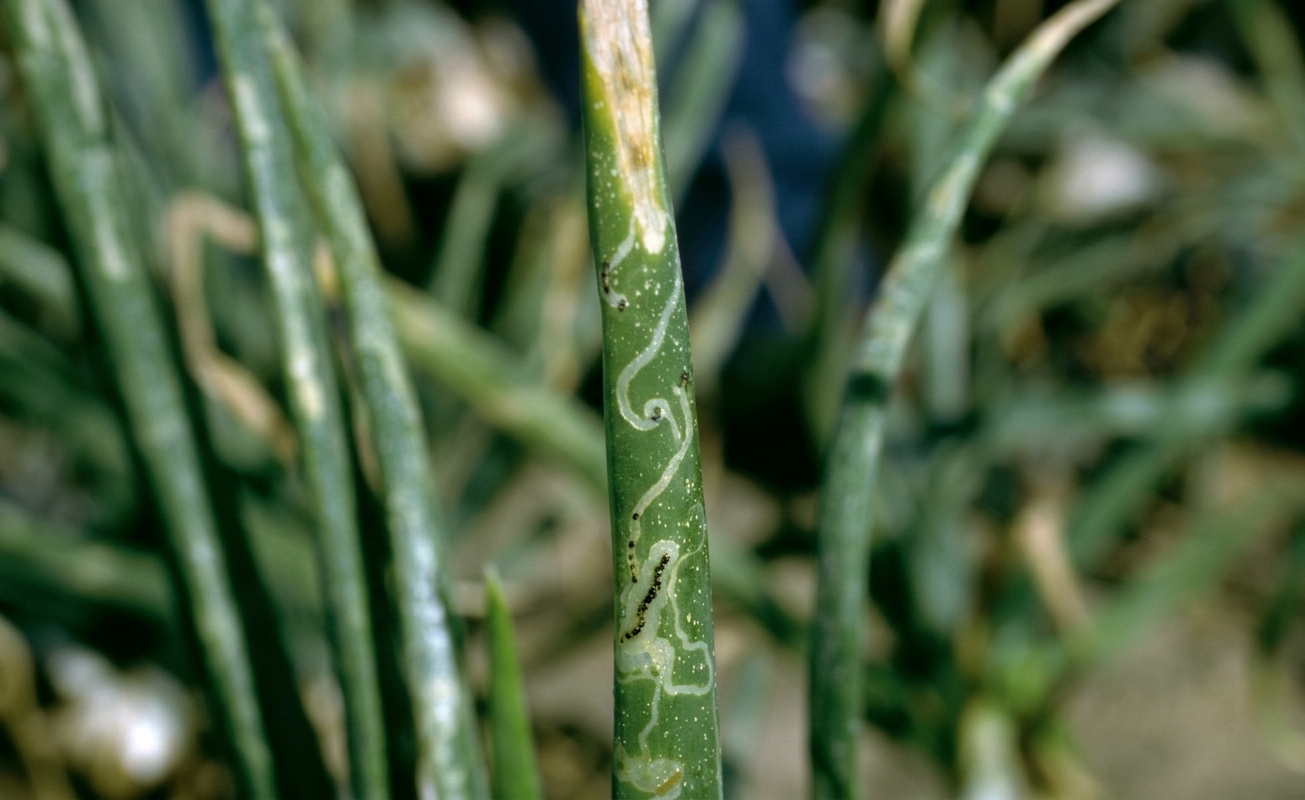
Figure. Leaf Mines on Red Onion Plants
Phase 10–30 HST: Protect the Leaves During Active Vegetative Growth
The vegetative phase is the period of canopy formation. Damage that continues to increase during this period can reduce the area of healthy leaves before the plants enter bulb formation. Observations need to be carried out routinely on young leaves and fully developed leaves. Using insecticides as early as possible can help monitor the presence of adult flies, while heavily infested leaves can be collected and destroyed according to control recommendations.
Phase 30–40 HST: The Risk Shifts Toward Bulb Formation
When the plants enter bulb formation, attention is not only focused on the presence of pests, but also on the impact of leaf damage on the plants. SGI Friends need to look at the trend: whether the mines are increasing, whether they appear on new leaves, and whether plant growth is becoming uneven. At this phase, delayed control risks leaving the plants with an insufficient healthy leaf area to support optimal bulb formation.
Phase 40–50 HST: Keep the Leaves Functional
During active bulb formation, every control decision needs to be more measured. Do not spray simply because pests were found in the previous week. Evaluate the latest observation results. If the attack decreases, continue monitoring. If the attack increases and reaches the control threshold, carry out spraying according to local recommendations, then consider stronger measures.
Phase 50–55 HST: Differentiate Active Damage from Natural Maturation
Approaching harvest, some leaves may naturally change color. SGI Friends need to distinguish the maturation process from active damage caused by leaf miners. New mines that continue to increase indicate pest activity, while uniform color changes in plants approaching harvest may be related to the maturation process. Any pesticide use during the final phase must follow label instructions and the pre-harvest interval.
Leaf Miner Attack Symptoms
Although the plants may appear to be growing well, red onion farmers still need to remain alert to pest attacks, especially during the dry season. One pest that needs to be watched is the leaf miner, which can attack red onion plants at any time. This pest attack can damage leaves and disrupt plant growth, thereby posing a risk of reducing crop yields.
The following are several damage symptoms that may be visible as a result of leaf miner attacks on red onion plants:
Holes in the form of white spots caused by ovipositor punctures for laying eggs.
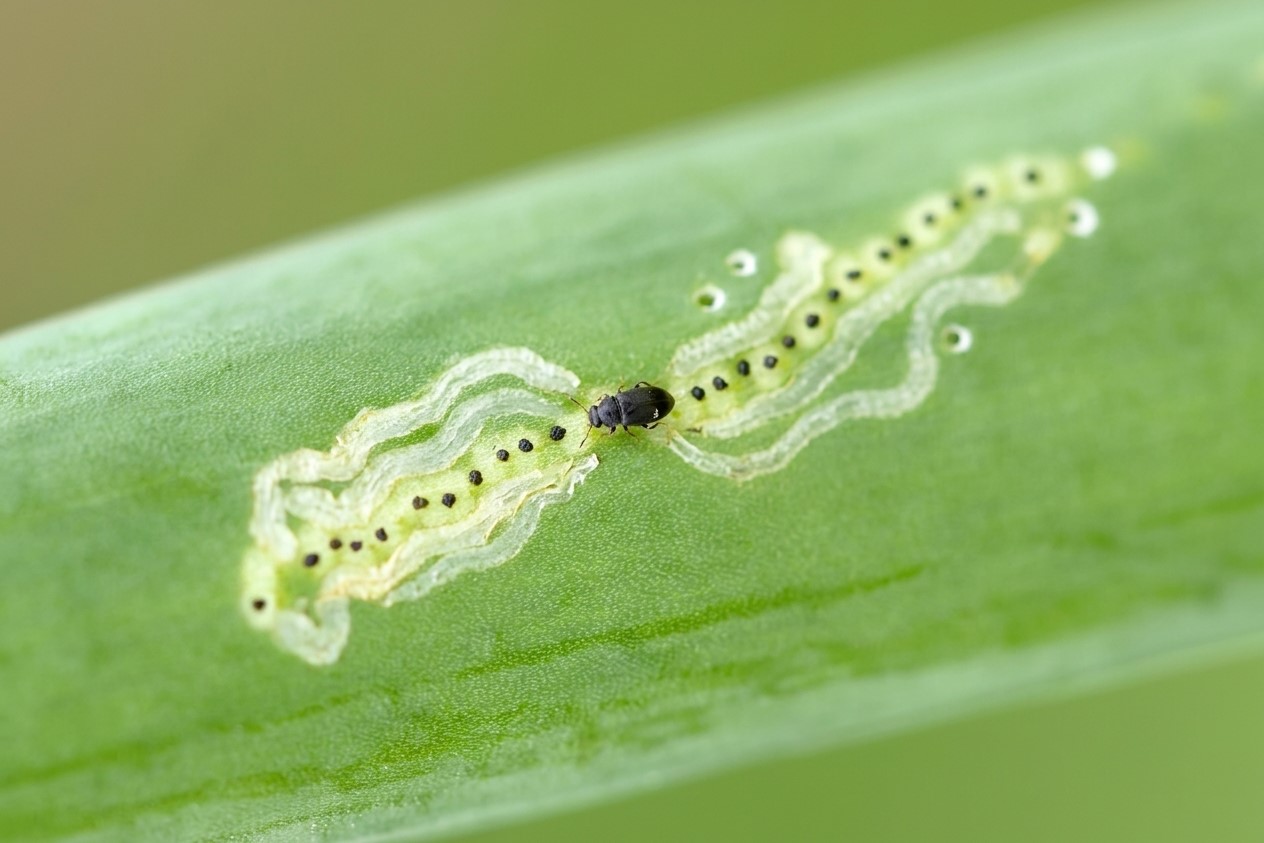
Figure. Ovipositor Puncture Holes
Newly hatched larvae immediately enter the leaf cavity and then mine the leaf from the inside (in the mesophyll tissue).
White winding mines from the top toward the bottom as far as the bulb.
Under severe attack, almost the entire leaf blade is filled with mines, causing it to dry out and turn brown as if it has been burned.
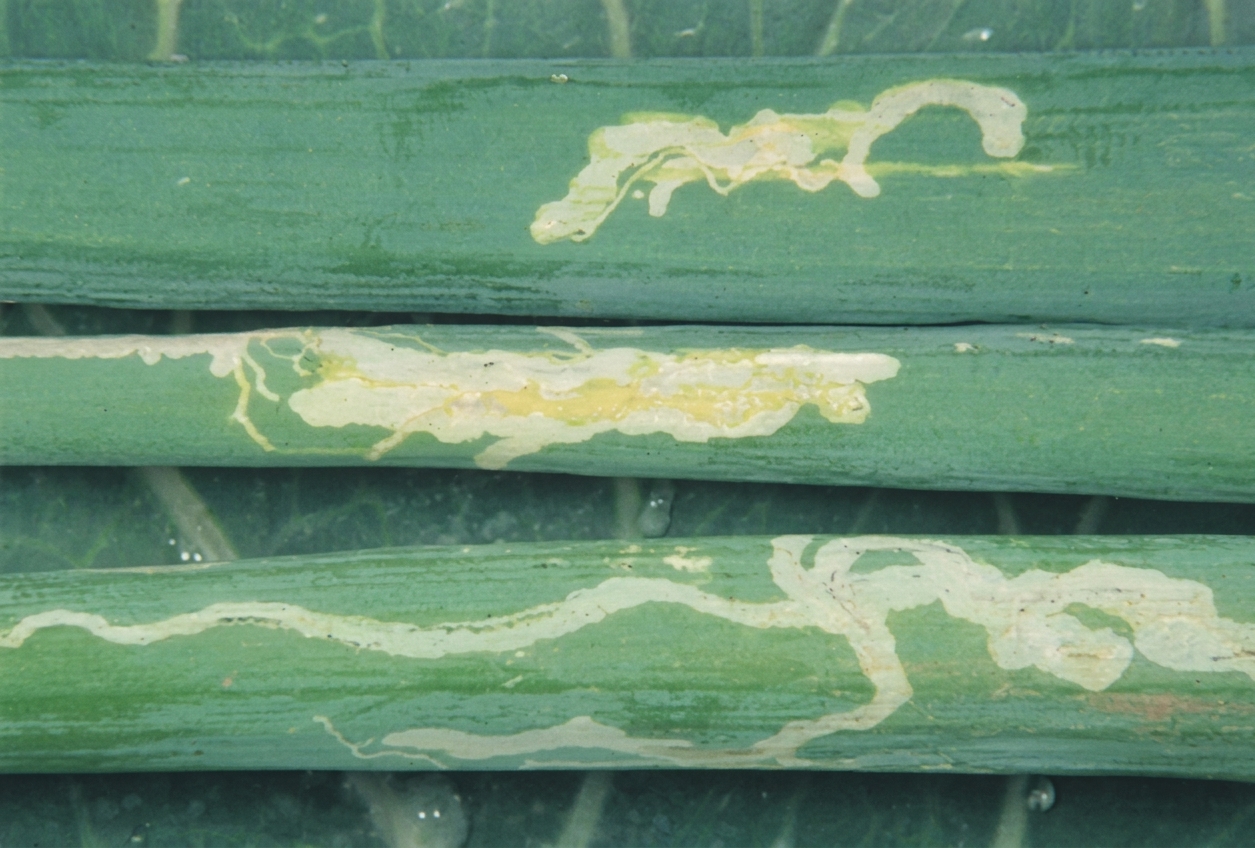
Figure. White Winding Mines
Then, What Is the Solution?
A smart solution that farmers can apply to control leaf miner attacks on red onion plants is to use Coastal 95/31 SC insecticide from PT Sinar General Industries (SGI). This product is a protective insecticide in the form of a suspension concentrate intended to help control the leaf miner Liriomyza chinensis on red onion plants. This product contains chlorantraniliprole 95 g/L and emamectin benzoate 31 g/L. This means that these active ingredients are able to enter the leaf tissue and remain active in killing pest larvae located inside or beneath the leaf surface.
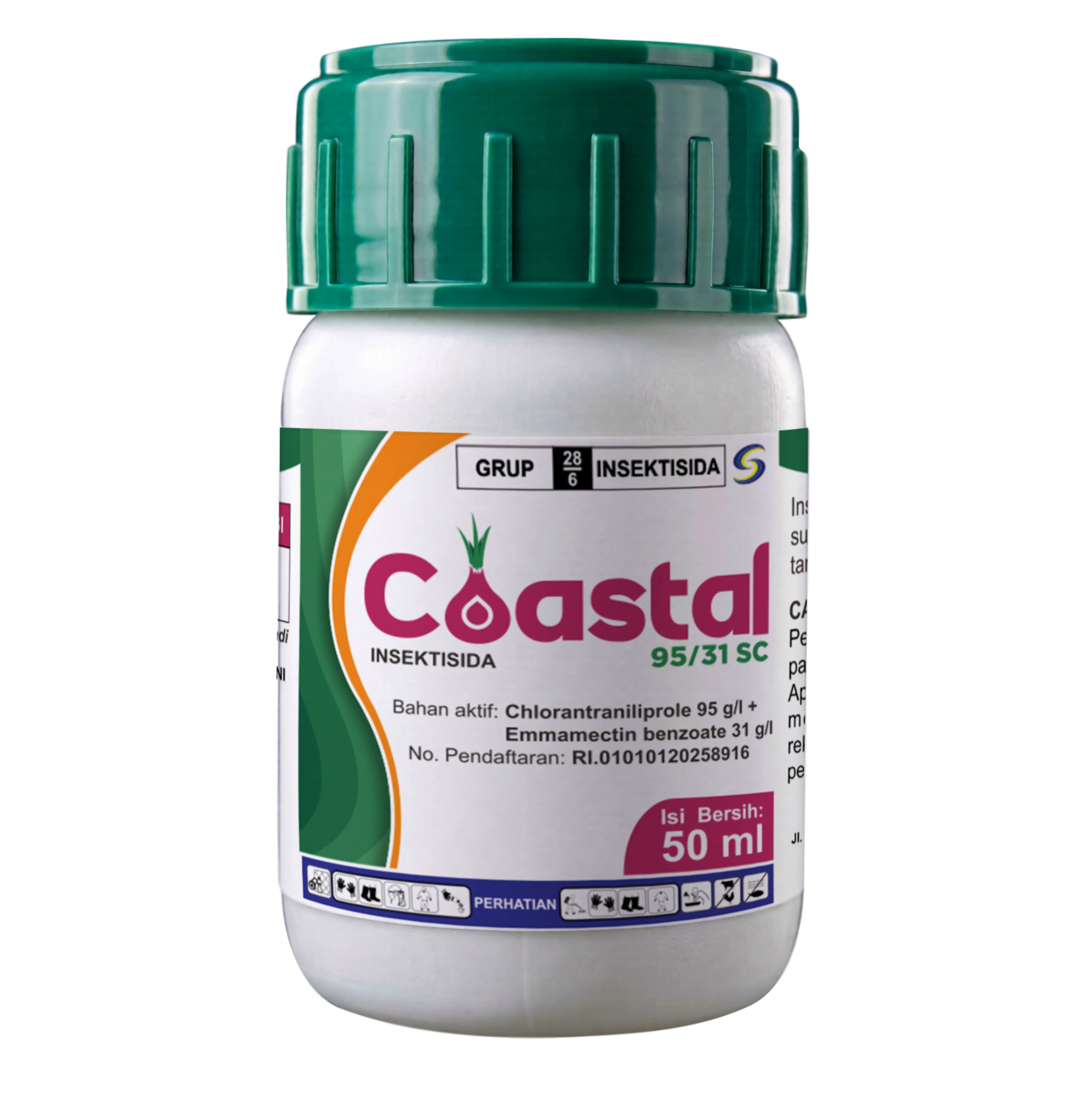
Figure. Coastal 95/31 SC Insecticide
What Are the Advantages of Coastal 95/31 SC?
Effective in controlling leaf caterpillar pests on Red Onion Plants
A formulation that provides optimal protection for plants
Safe for long-term use and environmentally friendly
How to Use It?
Coastal 95/31 SC Tuntaskan Hama Untuk Hasil Maksimal should preferably be applied when the early symptoms of caterpillar attacks begin to appear, especially in the morning or late afternoon. Prepare a clean and properly functioning sprayer. Fill part of the tank with water, measure Coastal 95/31 SC according to the volume of water to be used, add the product while stirring, then add water until the required volume is reached. Keep the mixture homogeneous during application and spray evenly over the plant canopy according to the label instructions.
The recommended dose is 1.5 ml/l, mixed with clean water and sprayed evenly over all parts of the plant. For optimal results, apply Coastal 95/31 SC every 7–10 days depending on the intensity of the attack and the age of the plants.
Before application, farmers need to understand the instructions stated on the package label so that product use follows the recommended procedures. If there are instructions that are not understood, consult the local agricultural officer to obtain accurate information. Proper and regular use of Gracia can help control caterpillar attacks, maintain plant growth, and support increased productivity and the sustainability of horticultural cultivation in Indonesia.
The leaf miner Liriomyza chinensis is an important pest of red onion because its larvae damage leaf tissue from the inside. Attacks can appear from the time the plants have just emerged until they are mature, so observation needs to begin from the early phase and continue until approaching harvest. At the 5–10 HST phase, the focus is early detection. During the vegetative phase, protecting the area of healthy leaves becomes a priority. When the plants enter bulb formation, control decisions must become increasingly measured so that leaf function continues to support yield formation.
The POPT strategy does not stop at the use of insecticides. Sanitation, yellow sticky traps, crop rotation, the use of natural enemies, routine observation, and the use of control thresholds are important components. If chemical control is needed, Coastal 95/31 SC can be positioned as one option for targeting leaf miners on red onion at a dose of 1.5 ml per liter of water, applied through high-volume spraying according to the label and based on attack conditions.
PT Sinar General Industries always remains committed to providing solutions for farmers through the provision of quality products to support plant growth and improve agricultural productivity.
If SGI Friends need information regarding quality fertilizer and pesticide solutions for various types of crops, consult your agricultural needs with us. Visit https://pt-sgi.com/ to obtain information about products, consultation services, and agricultural solutions that suit your farming needs.
Related Articles
Shallot
30 September 2026
 Shallot
28 September 2026
Shallot
08 May 2026
Shallot
28 September 2026
Shallot
08 May 2026
Related Products
-


Herbicide
Dolgy 20 WG
Metsulfuron Methyl 20%
-
Insecticide
Floric 340 EC
Abamectin 40 g/l
Chlorpyrifos 300 g/l
-
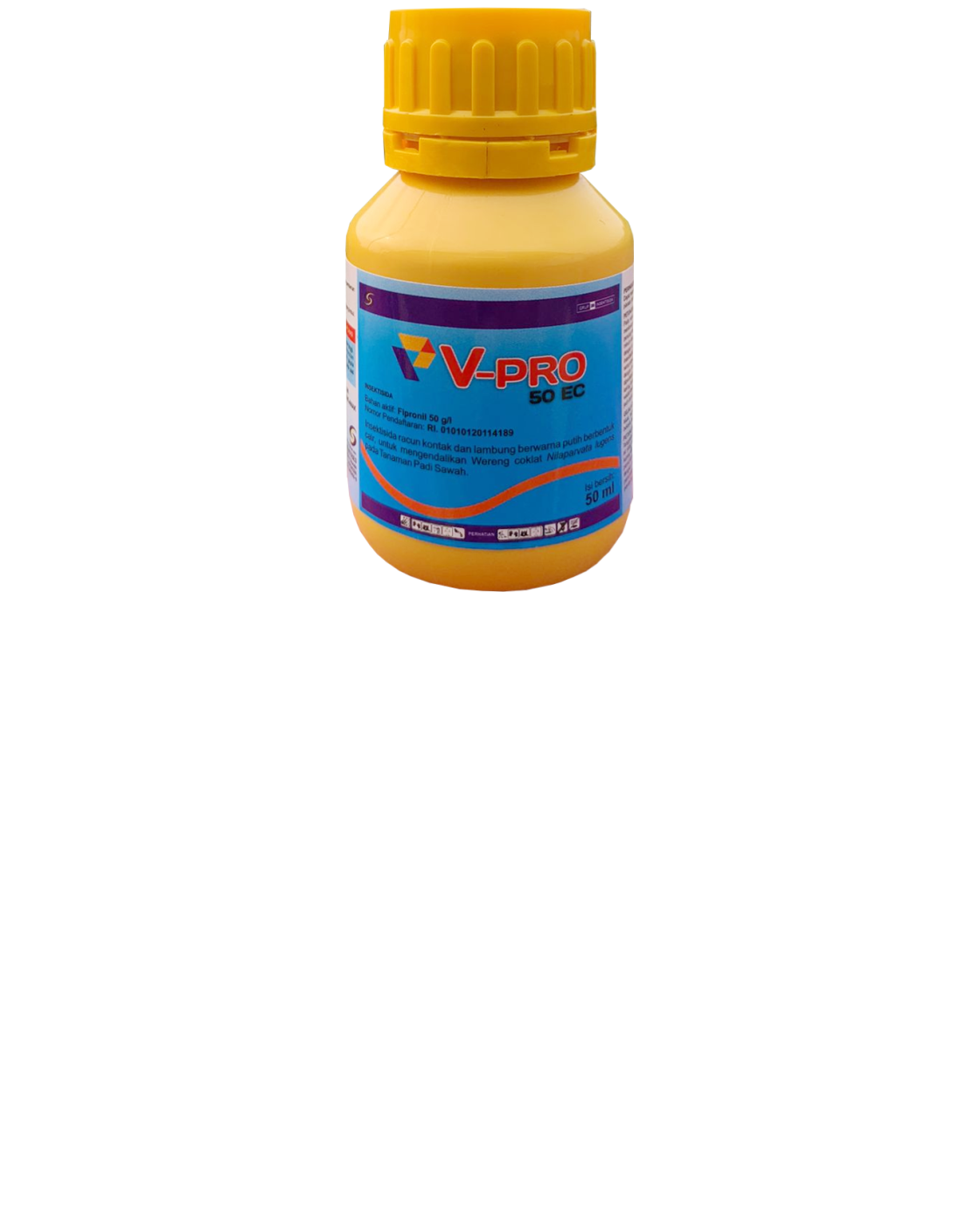

Insecticide
V-Pro 50 EC
Fipronil 50 g/l
-
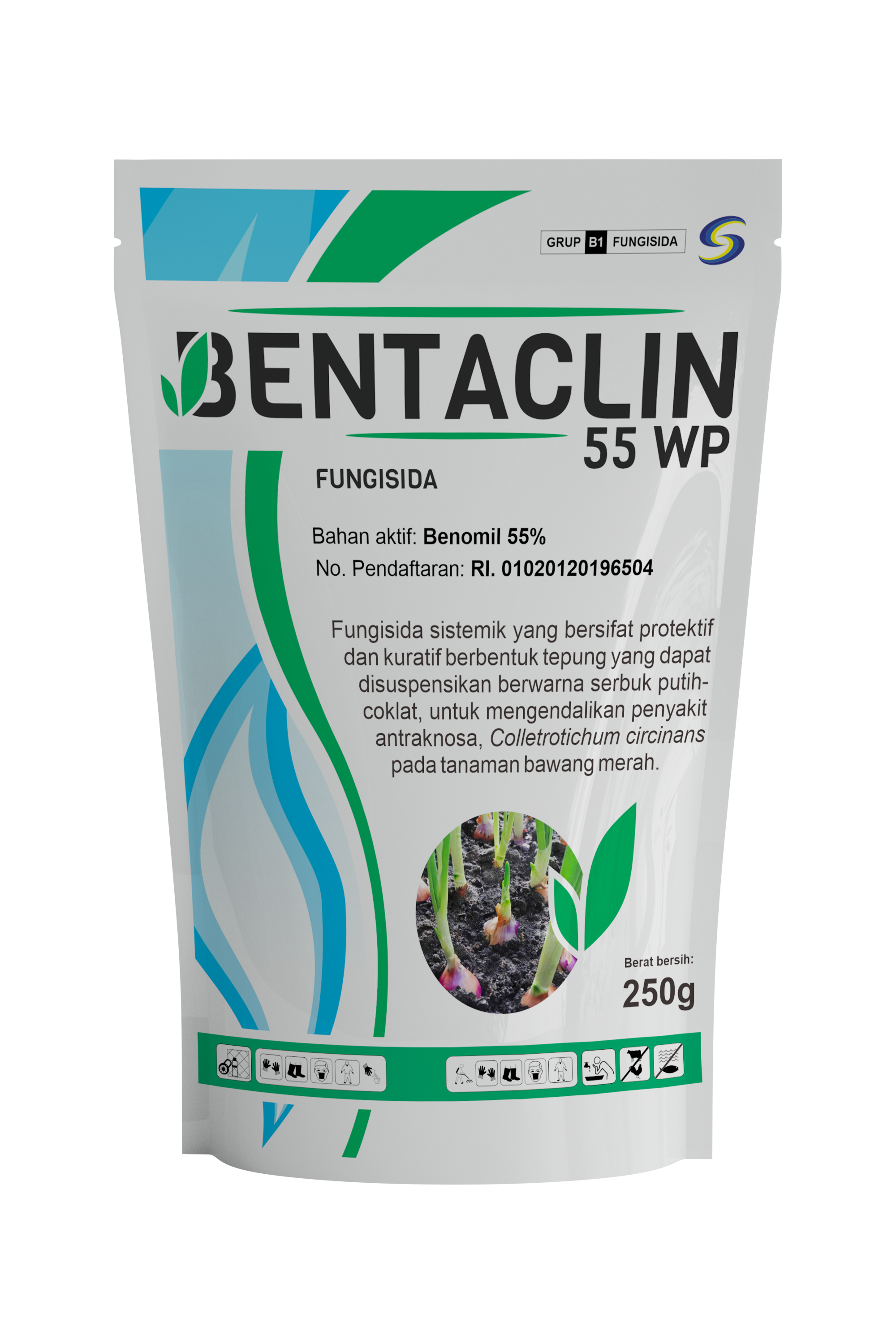

Fungicide
Bentaclin 55 WP
Benomyl 55%
-
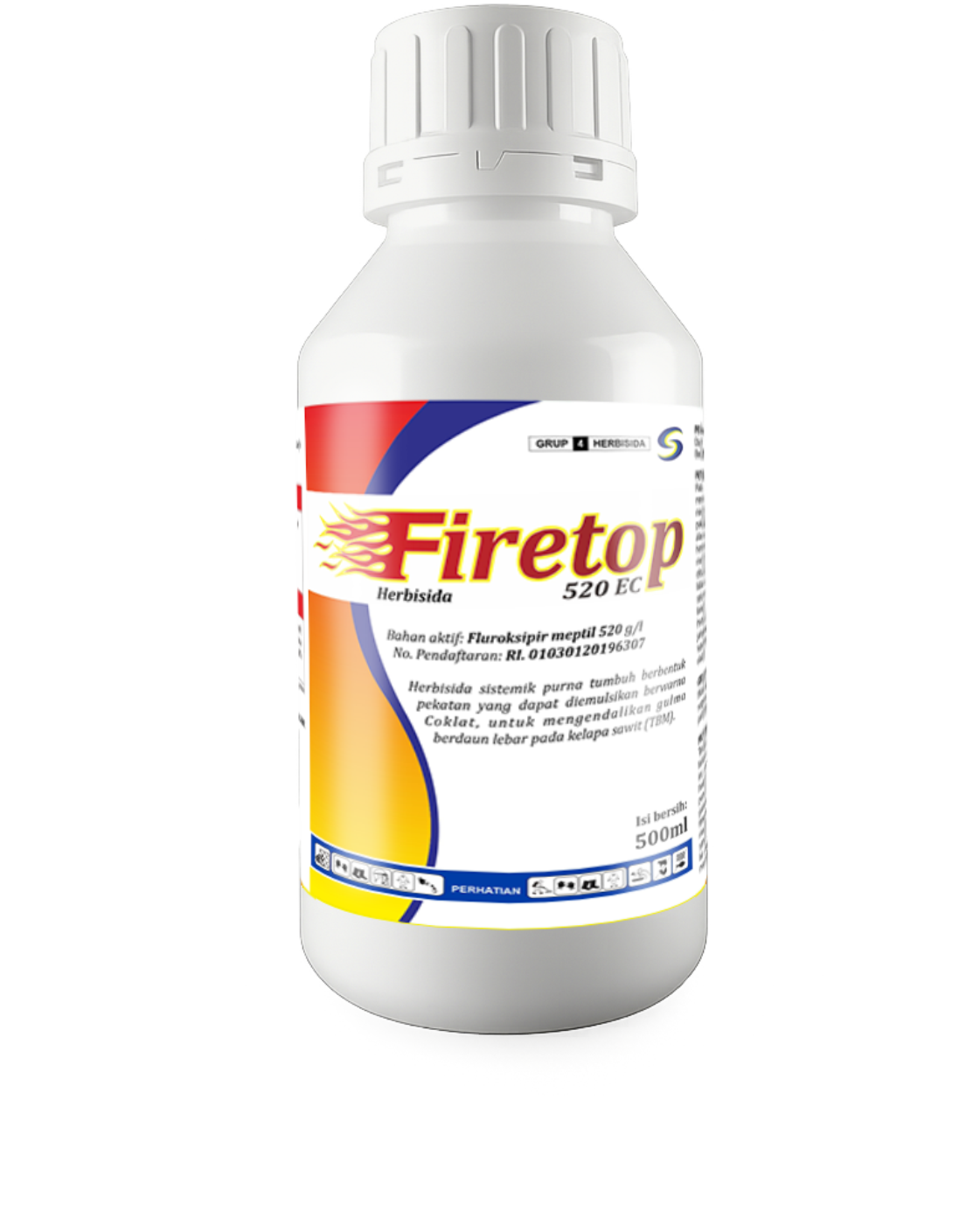

Herbicide
Firetop 520 EC
Fluroxypyr-meptyl 520 g/L
-
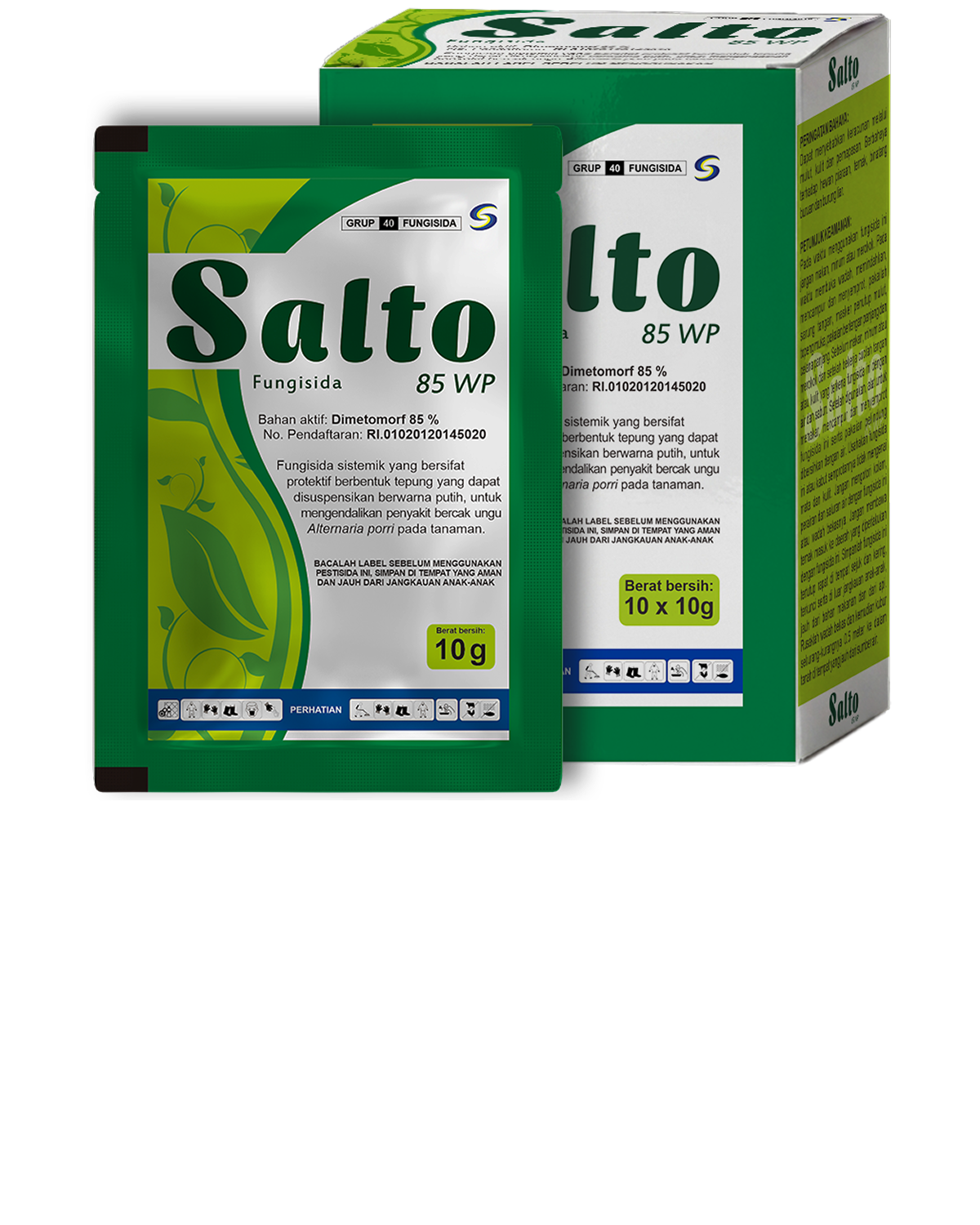

Fungicide
Salto 85 WP
Dimethomorph 85%