



2026 Blitar Chili Farmers’ Field Day - SGI Invites 250 Farmers to Learn in the Field
Share:
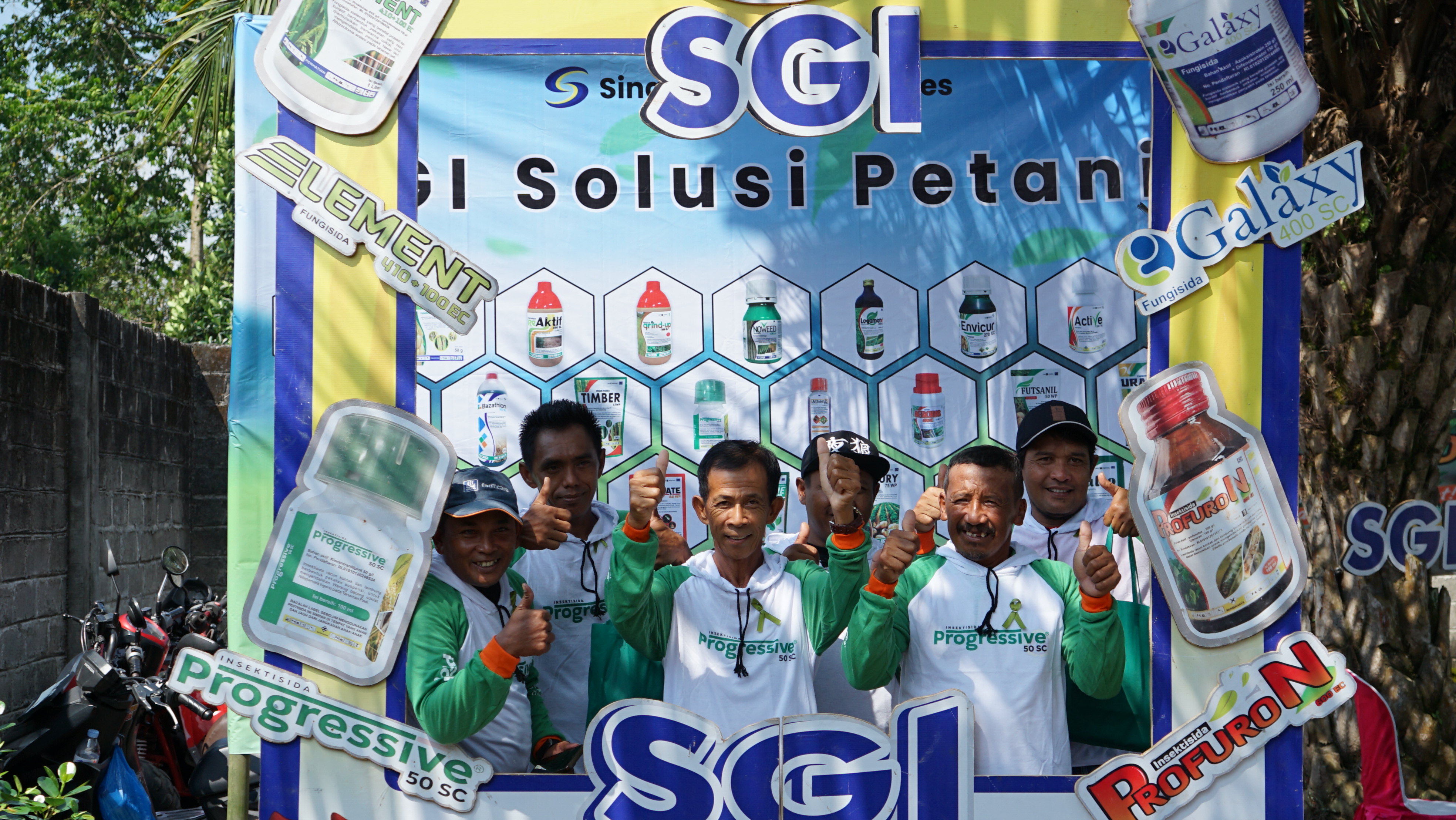
About Event
SGI Friends, agriculture doesn’t just develop from theory. Many cultivation decisions actually become easier to understand when farmers can see the crops firsthand, compare yields in the field, ask field staff questions, and then discuss the real issues occurring in their farms. This is why field visits are so valuable to farmers, especially for chili peppers, which require intensive observation and management.
On May 20 and 21, 2026, PT Sinar General Industries held a large-scale farmers’ field day in Candirejo Subdistrict, Ponggok, Blitar Regency, East Java. In SGI’s agenda, this event is referred to as the Big Farmers Field Day (BFFD). More than 250 farmers attended the event, which was organized by the East Java regional team. The event served as a platform to showcase results from demonstration plots, share agricultural information, introduce crop protection solutions, and discuss pest and disease control for chili peppers.
For SGI, these field meetings are more than just gatherings. Their primary value lies in the process of observing evidence, understanding problems, and discussing management options tailored to the specific conditions of each farming operation. This approach is crucial because every plot of land has unique conditions. Factors such as weather, soil type, water sources, crop varieties, fertilization practices, and the pressure from plant pests and diseases can all influence crop yields.
Why Are Field Days Important for Chili Farmers?
Chili peppers are a horticultural commodity with high economic value, but their cultivation requires meticulous care. Mistakes at any stage of cultivation can affect subsequent stages. Poor-quality seeds, inadequate irrigation, unbalanced fertilization, and delays in disease control can reduce both the quality and quantity of the harvest.
Field days help farmers gain a more concrete understanding. Farmers not only receive explanations but can also observe plant conditions, compare treatment methods, identify disease symptoms, and discuss possible actions. In a learning context, this approach makes technical information easier to understand because it is directly linked to the actual conditions of the plants in the field.
The event in Blitar was designed around several key agenda items: demonstrating a comparison of yields between PT SGI’s demonstration plots and farmer control plots; promoting SGI products; discussing pest and disease control for chili plants; and hosting a direct sales event with prizes. This program structure demonstrates that the field meeting combines elements of demonstration, education, communication, and access to agricultural solutions.
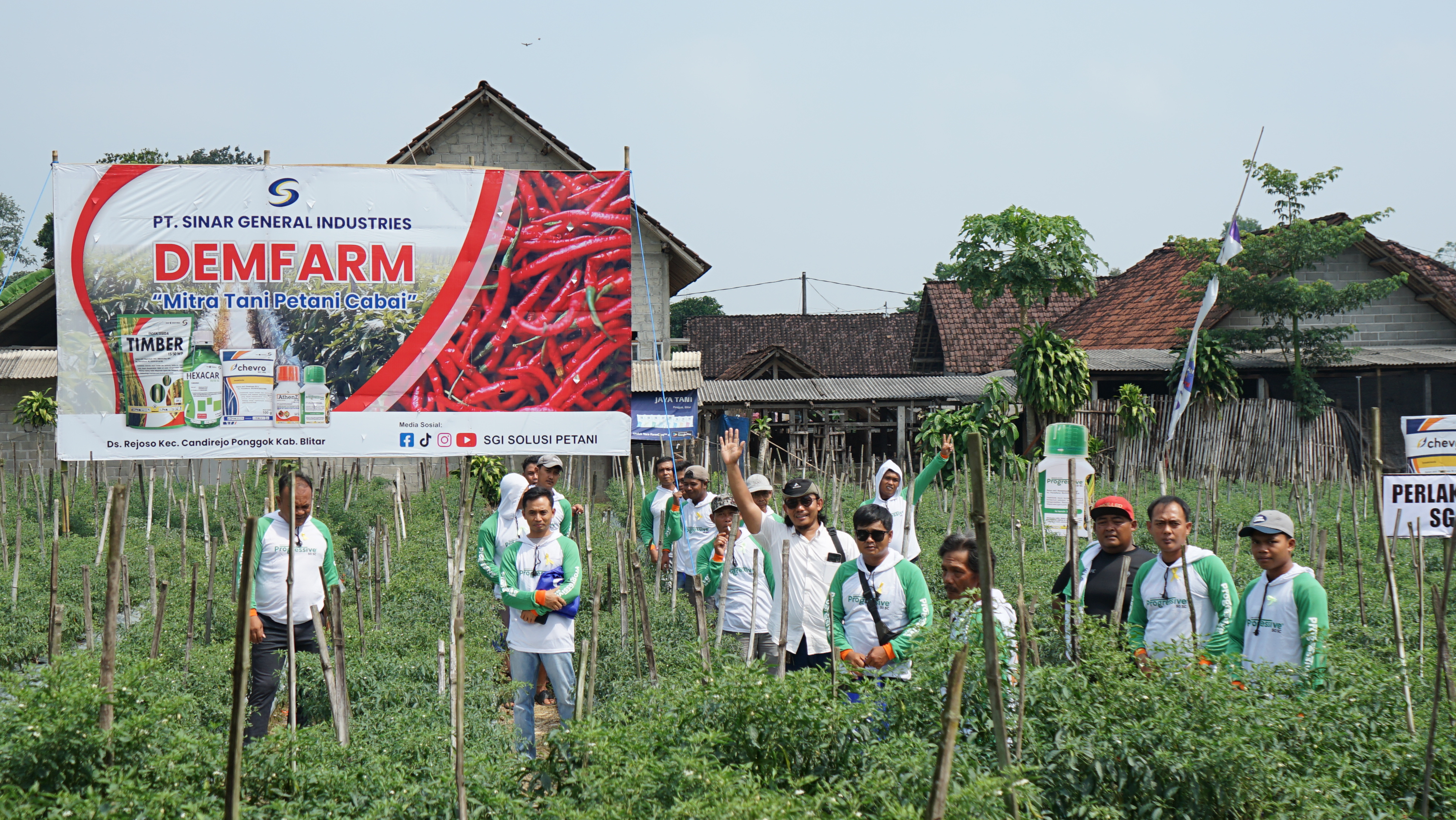
Blitar Plays a Key Role in Chili Pepper Production
The selection of Blitar as the event location is highly relevant given the region’s strength in chili pepper production. The Blitar Regency Central Statistics Agency reports that Blitar Regency is among the five largest chili pepper-producing centers in East Java. In 2023, Blitar’s bird’s eye chili production totaled 441,909 quintals, placing Blitar in fourth place in East Java that year.
Data cited in the SGI activity guidelines also highlights the scale of chili production in Blitar Regency. Based on a Central Statistics Agency table for 2025 cited in the draft guidelines, production of bird’s eye chili was recorded at 521,225.00 quintals, large chili at 18,631.00 quintals, and curly chili at 40,639.00 quintals. These figures demonstrate that chili peppers are not a minor commodity for the local agricultural economy.
Data | Value | Source |
Blitar bird’s eye chili production, 2023 | 441,909 quintals | |
Estimated red bird’s eye chili production in Blitar, March 2026 | 7.050 tons | |
Estimated surplus of red cayenne peppers in March 2026 | 5.594 tons | |
Cultivated area in the Blitar Regency production center | sekitar 6.000 hektare |
The latest data from the Ministry of Agriculture further underscores Blitar’s role. According to the Early Warning System for March and April 2026, red cayenne pepper production in Blitar Regency for March 2026 is projected to reach 7,050 metric tons, with a surplus of 5,594 metric tons. The Ministry of Agriculture also noted that the planted area in several key sub-districts totals approximately 6,000 hectares, with an estimated initial harvest of about 2,000 hectares in the second week of March 2026.
The Director of Vegetables and Medicinal Plants at the Ministry of Agriculture, Muh. Agung Sunusi, stated that since 2017, Blitar has consistently been one of the nation’s key suppliers of red chili peppers. This fact demonstrates that improvements in cultivation practices in Blitar have broader implications. When farmers’ productivity in key production areas is maintained, the benefits are not only felt by local farmers but also help ensure a stable supply of chili peppers.
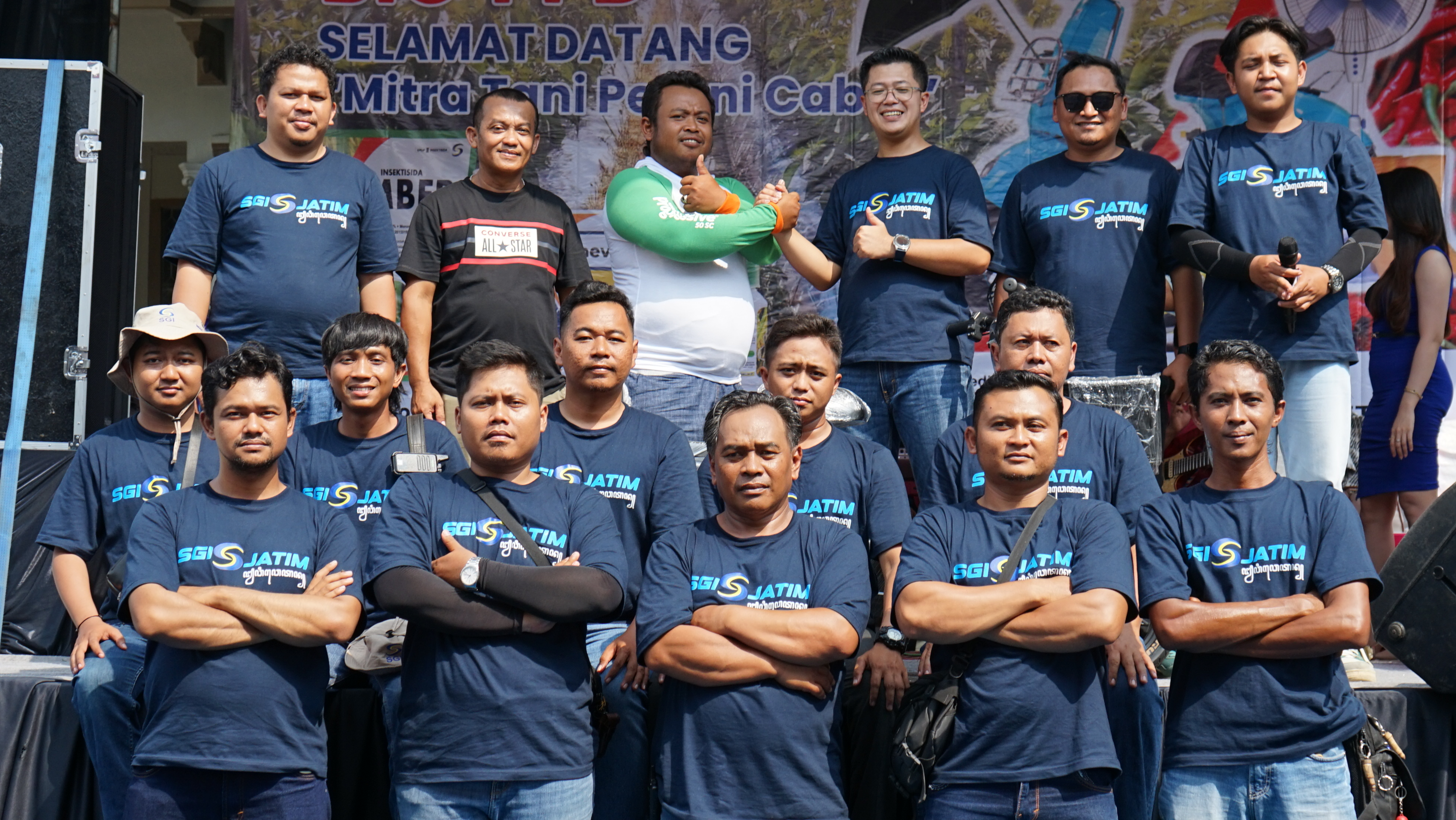
Challenges for Blitar Chili Farmers Remain Real
The high production potential does not mean that chili cultivation in Blitar is free from challenges. The Ministry of Agriculture noted in 2026 that productivity in Blitar faces pressure due to natural factors. Several obstacles faced by farmers were mentioned, including extreme weather, the use of poor-quality seeds, limited irrigation on rain-fed land, outbreaks of patek or anthracnose, fruit flies, and rodent infestations.
Weather is one factor that farmers find particularly difficult to control. Heavy rainfall and increased humidity can create an environment that is more conducive to the development of various diseases. Conversely, water shortages on rain-fed land can hinder growth and yield formation. Therefore, successful cultivation requires comprehensive management, rather than relying solely on a single type of production input.
Anthracnose A Disease to Watch Out For in Chili Pepper Plants
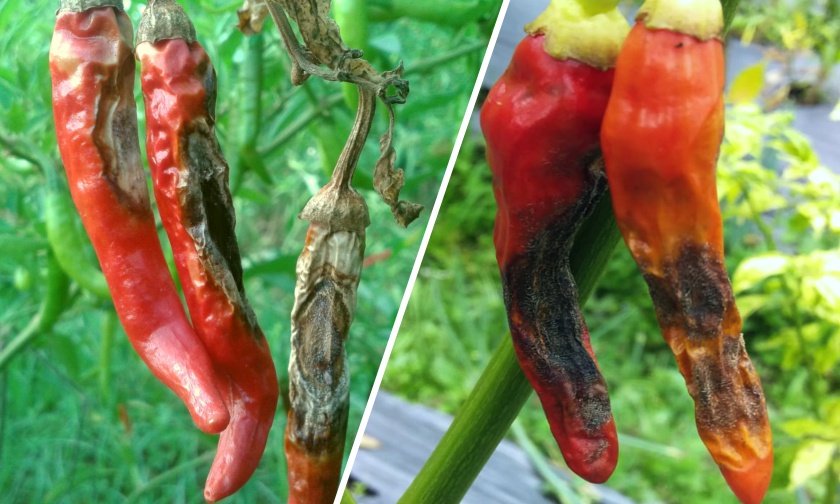
One of the major diseases to watch out for in chili pepper plants is anthracnose. The Vegetable Crop Research Institute explains that anthracnose fruit rot is caused by the fungus Colletotrichum, with chili peppers serving as one of its host plants. In the field, this disease warrants attention because it attacks the fruit and can reduce crop quality.
Disease control should not be limited to after symptoms have become severe. Farmers need to implement preventive measures and conduct regular monitoring, use healthy seeds, maintain field hygiene, manage moisture levels, remove diseased plant parts when necessary, and use registered fungicides according to label instructions and as needed. Pesticides should also be used judiciously to minimize the risk of resistance.
As one of the options for plant disease control, Hexacar 50/50 SC is a systemic fungicide with both protective and curative properties, containing a combination of two active ingredients: hexiconazole 50 g/l and carbendazim 50 g/l. This combination helps control various plant diseases, including those caused by fungi, by providing protection while also helping to treat diseases that have already developed on the plants.
Hexacar 50/50 SC is also easily absorbed through the leaves and roots, thereby helping to protect the plants. Using it according to the dosage and instructions on the label can be part of the effort to keep chili plants healthy and support optimal growth and yield.
Field Meetings as a Forum for Discussing Real-World Problems
Farmer field meetings are hands-on learning activities in the field that bring together farmers, field staff, and relevant parties to observe crop conditions, discuss cultivation results, and exchange information about agricultural problems and solutions.
One of the strengths of field meetings is the opportunity to ask questions directly. Farmers can bring up issues they are currently facing in their fields, then compare them with other farmers’ experiences and the explanations provided by field staff. For SGI Friends, discussion forums like this can help speed up the process of identifying problems before deciding on a course of action.
Not all cases of yellowing leaves have the same cause. Not all cases of fruit rot are caused by the same disease. Similarly, not all yield declines can be resolved simply by adding fertilizer or increasing the frequency of spraying. An accurate diagnosis is essential to ensure that cultivation costs are not wasted and that the measures taken are targeted effectively.
SGI activities also include product outreach. Ideally, product introductions should always be accompanied by explanations regarding the intended use, active ingredients, formulation, instructions for use, application timing, and safety considerations. Farmers need sufficient information to use products correctly not just to know their brand names.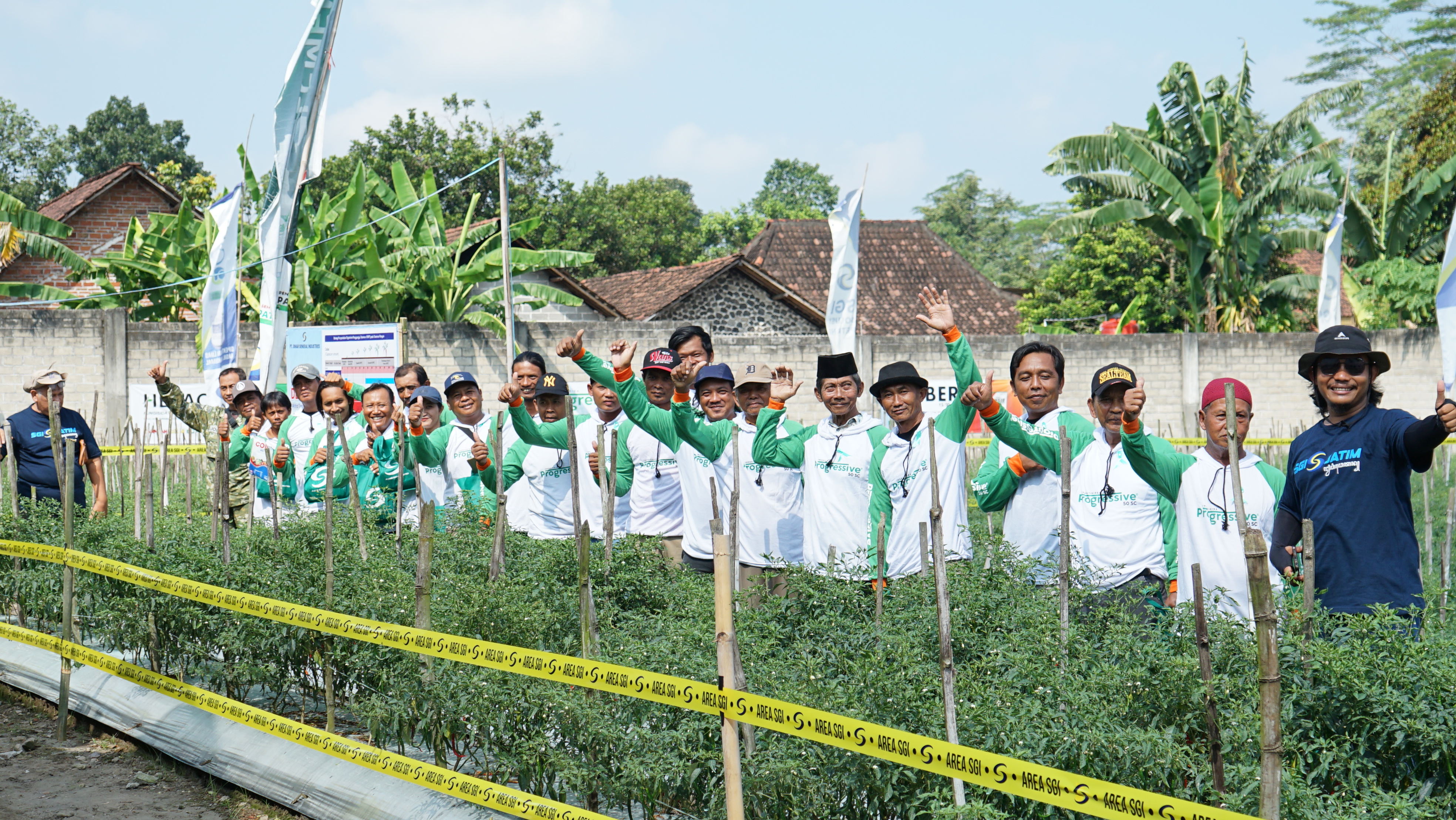
Four Key Takeaways for Farmers from the Field Day
1. Comparing Demonstration Plots and Farmers’ Cultivation Methods
One of the main activities was to show a comparison of yields from PT Sinar General Industries’ demonstration plots with those from farmers’ control plots. This comparison is important because it allows farmers to see the actual results of different treatments under relatively similar environmental conditions.
Demonstration plots do not mean that all treatments must be immediately adopted by every farmer. Their purpose is to serve as a learning environment. Farmers can observe differences in crop conditions, evaluate the results, and then determine which aspects align with the needs of their own fields. This approach helps make cultivation decisions more observation-based.
2. Knowledge Becomes More Relevant to Everyday Challenges
Discussions on pests, diseases, fertilization, and crop management become easier to understand when examples of symptoms are right before their eyes. Farmers can also connect new information with their existing experiences. Chili peppers are crops that require routine monitoring. Minor symptoms on leaves, flowers, or fruits can lead to significant losses if detected too late. Therefore, discussions on pest and disease control are a crucial part of field meetings.
In March 2026, the Ministry of Agriculture specifically urged farmers to remain vigilant against anthracnose, fruit flies, thrips, and other pests in chili-growing regions, especially during periods of high humidity. In Blitar, anthracnose also known as “patek” is cited as one of the issues that reduce fruit quality. By discussing symptoms and field conditions firsthand, farmers can more easily understand when to implement prevention, monitoring, and control measures.
3. A space for farmers to exchange experiences
With more than 250 farmers in attendance, this event was far from a one-way communication session. Experiences from different farms can serve as discussion topics, especially when facing weather changes, disease outbreaks, or declines in productivity. Each farmer brings their own experiences, challenges, and potentially different cultivation methods. The exchange of experiences among participants can enrich the discussion beyond the main topics.
Farmers dealing with anthracnose can learn from those with experience managing humidity levels. Farmers facing water shortages can share experiences regarding planting times or irrigation management. Farmers interested in trying new technologies can observe the results from demonstration plots before making decisions for their own fields. This is the strength of large-scale field activities. Knowledge does not flow in one direction from the company to the farmers. Knowledge also grows from dialogue among agricultural stakeholders.
4. Solutions can be evaluated based on needs
Product introductions become more beneficial when linked to specific problems. Farmers can learn about a product’s function, target, active ingredients, and usage limits. In this way, purchasing decisions can be more targeted and aligned with the needs of the farming operation.
Chili peppers are crops that require regular monitoring. Minor symptoms on leaves, flowers, or fruits can lead to significant losses if detected too late. Therefore, discussions on pest and disease control are a crucial part of field meetings.
In March 2026, the Ministry of Agriculture specifically urged vigilance against anthracnose, fruit flies, thrips, and other pests in chili-growing regions, particularly during periods of high humidity. In Blitar, anthracnose also known as “patek” is cited as one of the issues that can reduce fruit quality. By discussing symptoms and field conditions directly, farmers can more easily understand when to implement prevention, monitoring, and control measures.
To assist with pest control on chili plants, Logamate 440 EC can be one option. This insecticide acts as a contact and stomach poison and comes in the form of an emulsifiable concentrate. With the active ingredient dimethoate at 440 g/l, Logamate 440 EC is used to help control thrips (Thrips parvispinus) and aphids (Myzus persicae) on chili plants in accordance with the product’s usage instructions.
Meanwhile, to help control fungal diseases, Pat-hene 80 WP a powdery, suspension-type contact fungicide is available. Containing 80% mancozeb as the active ingredient, this product is used to help control anthracnose and leaf spot on chili plants, as well as leaf blight on potato plants, in accordance with the target pests and usage instructions on the label.
Product selection should still be tailored to the type of plant pest, the severity of the infestation, the condition of the plants, and the usage instructions on the label. By identifying problems early and choosing the right product for the situation, control measures can be implemented more effectively, allowing chili plants to grow and produce optimally.
From Field Meetings to More Measurable Farming Practices
The value of an agricultural activity doesn’t end on the day it takes place. The real benefits become apparent when the information gained can be gradually applied in the field. After attending a field meeting, SGI Friends can start with simple steps: noting the main issues in the field, observing the crops regularly, recording the treatments applied, comparing results, and evaluating costs and crop yields.
Simple record-keeping helps farmers recognize patterns. For example, when anthracnose begins to appear, what the weather conditions were when symptoms worsened, what treatments were applied, and how the plants’ condition changed after those actions were taken. This information can help make subsequent discussions with field staff more precise and fact-based.
Productive farming does not always mean using more inputs. What is more important is using inputs appropriately. The selection of seeds, fertilizers, pesticides, application timing, and application rates must take into account the actual condition of the crops. This approach can also help keep production costs in check so that every expenditure serves a clear purpose.
SGI’s Commitment to Supporting Agriculture in the Field
Through a field meeting in Blitar, PT Sinar General Industries demonstrated an approach that goes beyond simply supplying products. The event also included on-site guidance, the sharing of agricultural information, discussions on pest and disease control, and an introduction to cultivation technologies. This type of support is crucial because agricultural solutions must be tailored to the specific challenges faced by farmers.
For regions like Blitar, which play a key role in chili pepper supply, enhancing farmers’ knowledge can have a broader impact. When crops are better managed diseases can be detected earlier, production inputs are used more effectively, and crop quality is better maintained the chances of sustaining productivity also increase. No single activity can solve all challenges, but on-site learning can be a crucial step toward strengthening farmers’ decision-making.
PT Sinar General Industries prioritizes partnerships with farmers as part of its corporate strategy. Through crop protection products, field assistance, and cultivation education, activities such as field meetings serve as a way to align solutions with farmers’ needs.
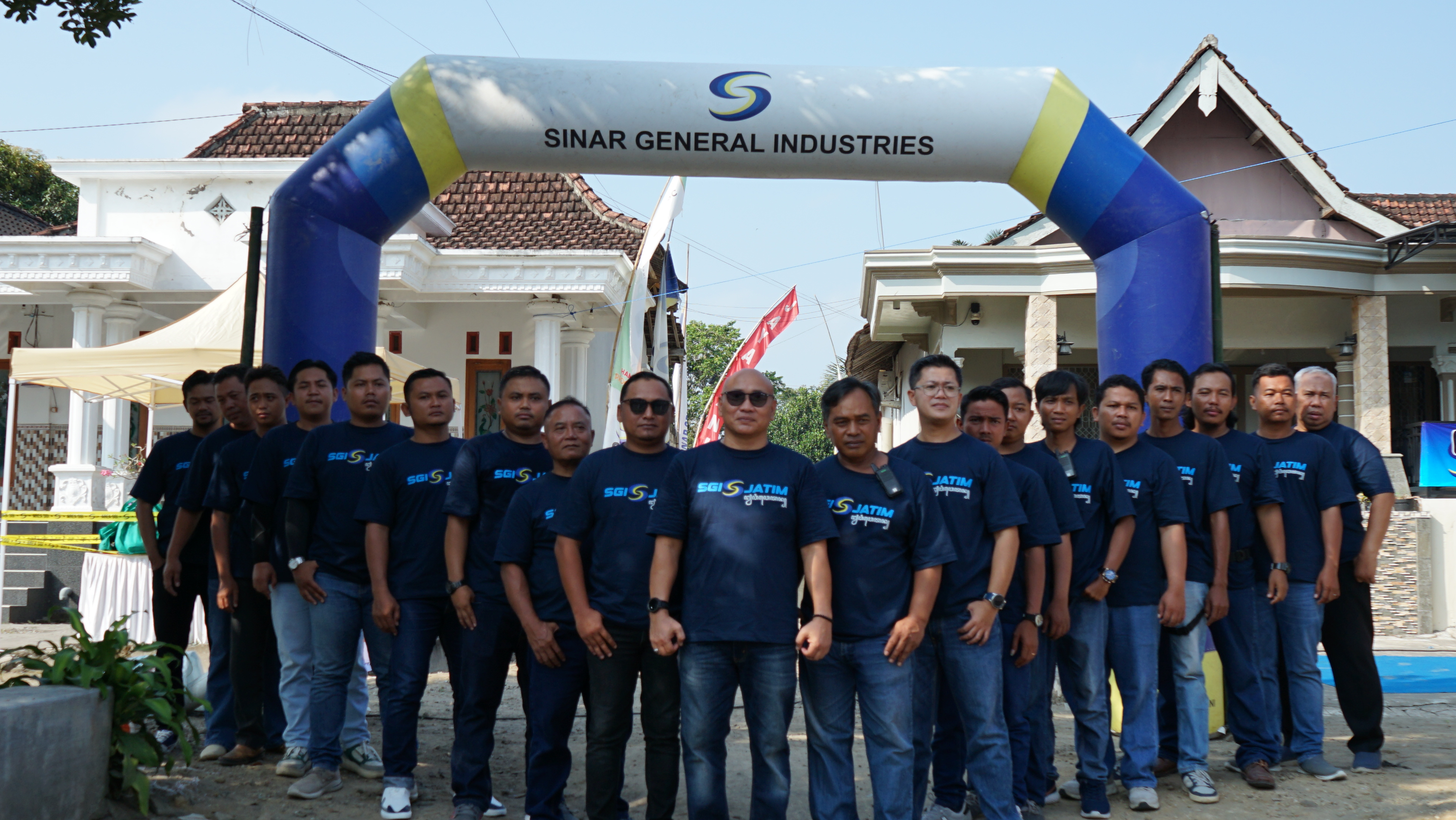
This initiative is also taking place in a region that is significant for chili pepper production. Data from the Central Statistics Agency (BPS) and the Ministry of Agriculture indicate that Blitar is one of the key production centers. In March 2026, Blitar’s red cayenne pepper production is projected to reach 7,050 metric tons, with a surplus of 5,594 metric tons. On the other hand, extreme weather, limited irrigation, seed quality, anthracnose, fruit flies, and rodent infestations remain challenges that require serious management.
Therefore, increasing productivity cannot be achieved with just one product or one method alone. Farmers need observation, knowledge, the use of appropriate production tools, and ongoing guidance. Field demonstrations are one way to bring this knowledge closer to farmers through real-world examples in the field.
PT Sinar General Industries (SGI) is committed to producing pesticide products that not only control plant pests and diseases but also help farmers sustainably increase their productivity from providing effective crop protection products to offering field guidance and education on modern cultivation techniques all in support of sustainable agriculture.
If you’re an SGI member and need information about high-quality fertilizer and pesticide solutions for various types of crops, please consult with us about your agricultural needs. Visit https://pt-sgi.com/ to learn about our products, consulting services, and agricultural solutions tailored to your farming business needs.
 13 October 2026
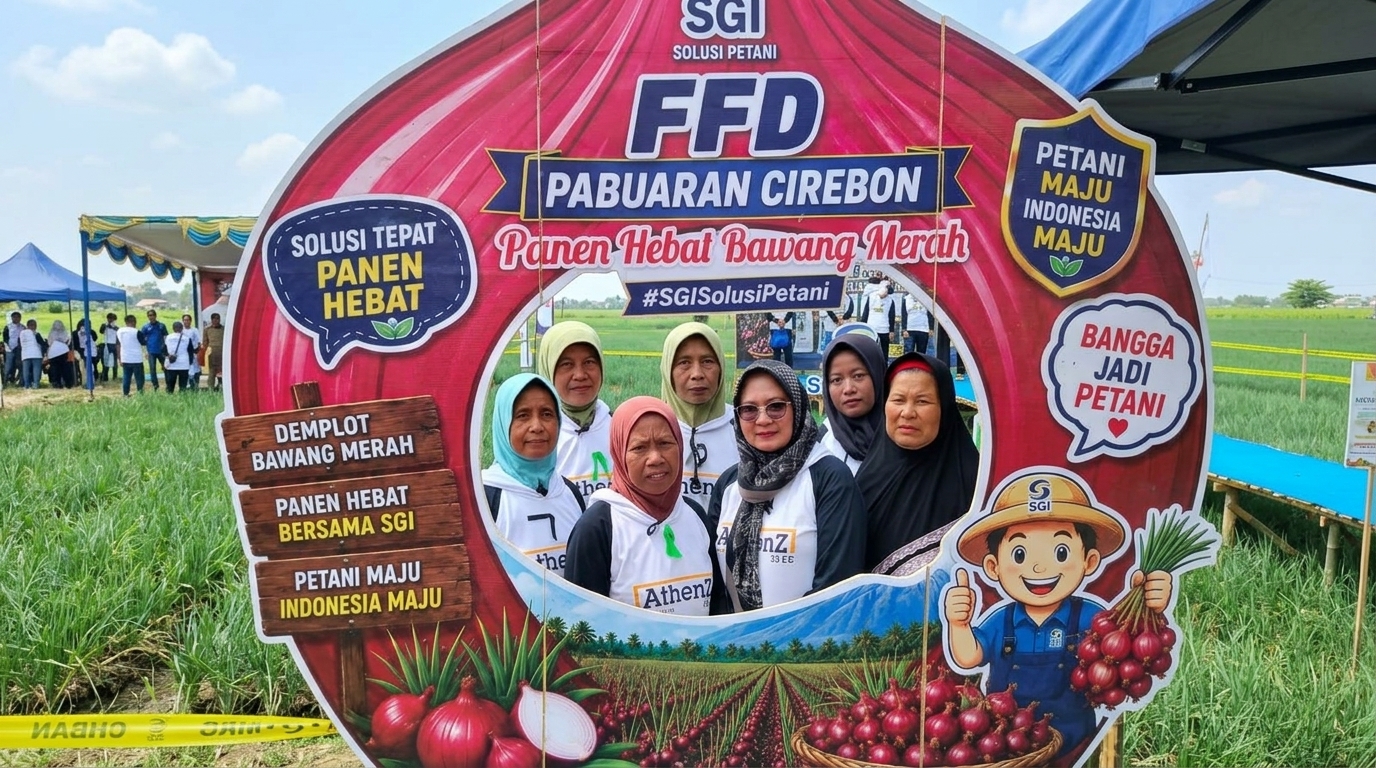
BFFD Cirebon 2026: SGI Launches COASTAL 95/31 SC
Participants at the 2026 BFFD Cirebon event in Pabuaran discussed pests and diseases and witnessed the launch of SGI’s COASTAL 95/31 SC.
 25 September 2026
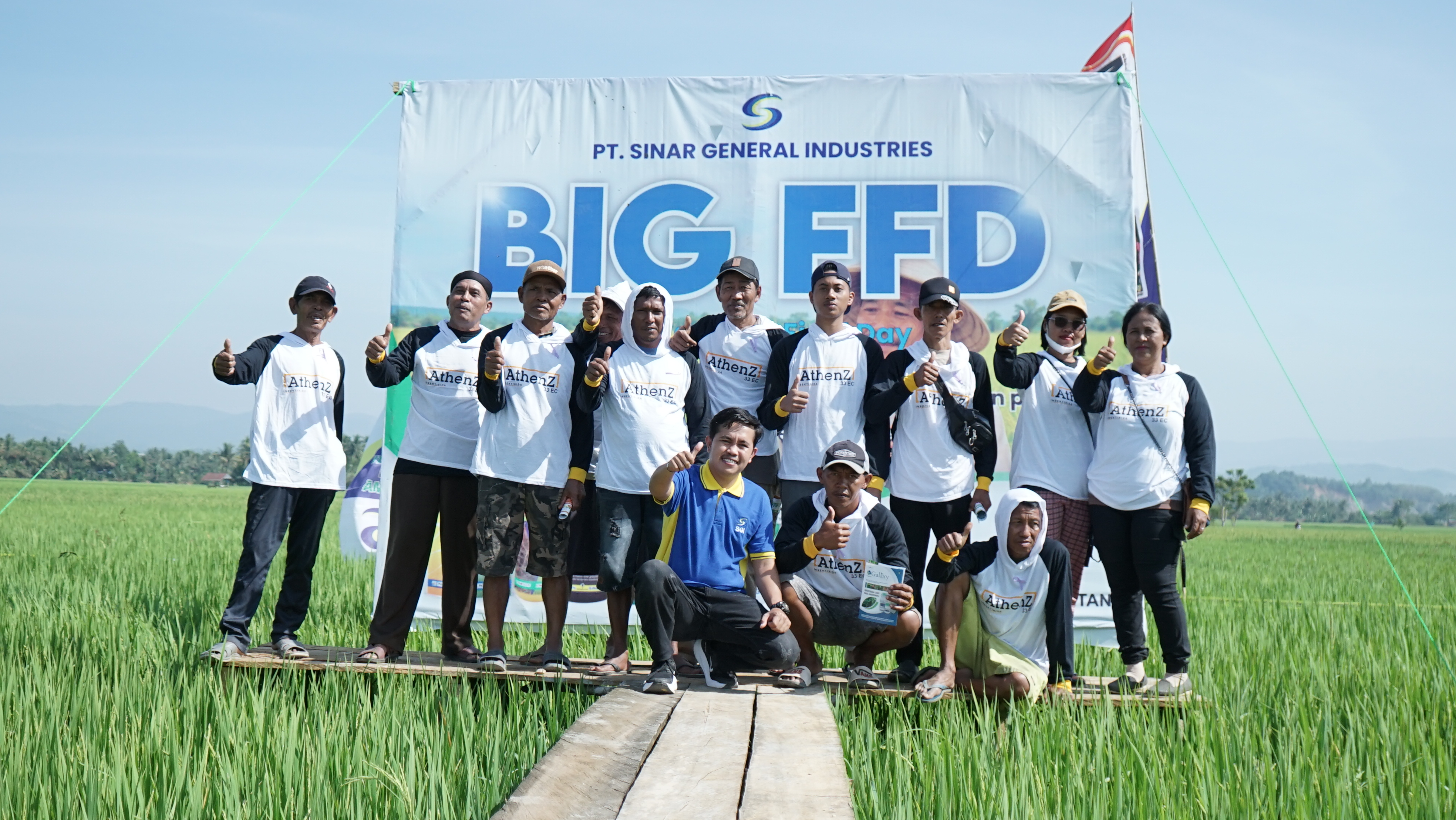
SGI Holds BFFD in East Kolaka – Strengthening Sulawesi’s Rice Potential
SGI held a BFFD event in Ladongi, East Kolaka Regency, Southeast Sulawesi, on September 9–10, 2026. Participants discussed pests and disease...
 22 September 2026
BIG FFD Wonosobo 2026 - SGI Brings Agricultural Education Closer to Farmers
Big FFD Wonosobo 2026 served as a meeting point for SGI and over 250 farmers to observe potato cultivation results firsthand, share field ex...