



How to Choose the Right Pesticide to Effectively Control Plant Pests
Share:
About Article
Did you know, SGI Friends, that plant pests are one of the main causes of declining crop yields in various regions across Indonesia?
Pest infestations not only damage leaves, stems, flowers, and fruit, but can also reduce crop quality and even lead to crop failure if not addressed promptly and effectively. Choosing the right pesticide is a crucial step in maintaining plant health while boosting agricultural productivity.
Why Choosing the Right Pesticide Is So Important
Pesticides are used to control plant pests and prevent them from causing greater damage. However, the effectiveness of pesticides depends heavily on selecting the right product for the specific type of pest involved.
The appropriate use of pesticides offers several benefits, including improving pest control effectiveness, maintaining crop quality, reducing economic losses, minimizing the risk of pest resistance, and reducing excessive pesticide use.
Conversely, the inappropriate use of pesticides can allow pests to continue to thrive, increase production costs, and even have a negative impact on organisms that are beneficial to agriculture.
The success of crop cultivation is determined not only by the proper use of pesticides but also by meeting nutrient requirements. In addition to selecting pesticides appropriate for the type of pest, SGI Friends can also support plant growth by using Boron Coin 45 Micronutrient Fertilizer as a source of the micronutrients plants need. The right combination of pest control and fertilization will help plants grow healthier and increase yield potential. For optimal results, ensure that both fertilization and pesticide spraying are carried out at the appropriate times, in the correct doses, and using application methods that follow the recommended guidelines.
Identify the Type of Pest Before Choosing a Pesticide
The first step is to identify the type of pest attacking your plants. Some common pests include leaf caterpillars, planthoppers, aphids, fruit flies, mites, stem borers, and thrips.
Each pest has a different life cycle, so it requires a different type of pesticide. For example, a pesticide that is effective for controlling caterpillars may not necessarily be effective for controlling aphids.
Types of Pesticides Based on Target Organisms
Type of Pesticide | Target Organism | Example Pests |
Insecticides | Insects | Planthoppers, caterpillars, aphids |
Fungicides | Disease-causing fungi | Leaf blight, powdery mildew |
Herbicides | Weeds | Wild grasses |
Acaricides | Mites | Red mites |
Nematocides | Nematodes | Root nematodes |
Rodenticides | Rats | Field rats |
The following are the recommended steps and duration for pesticide spraying:
1. Preparing the Sprayer
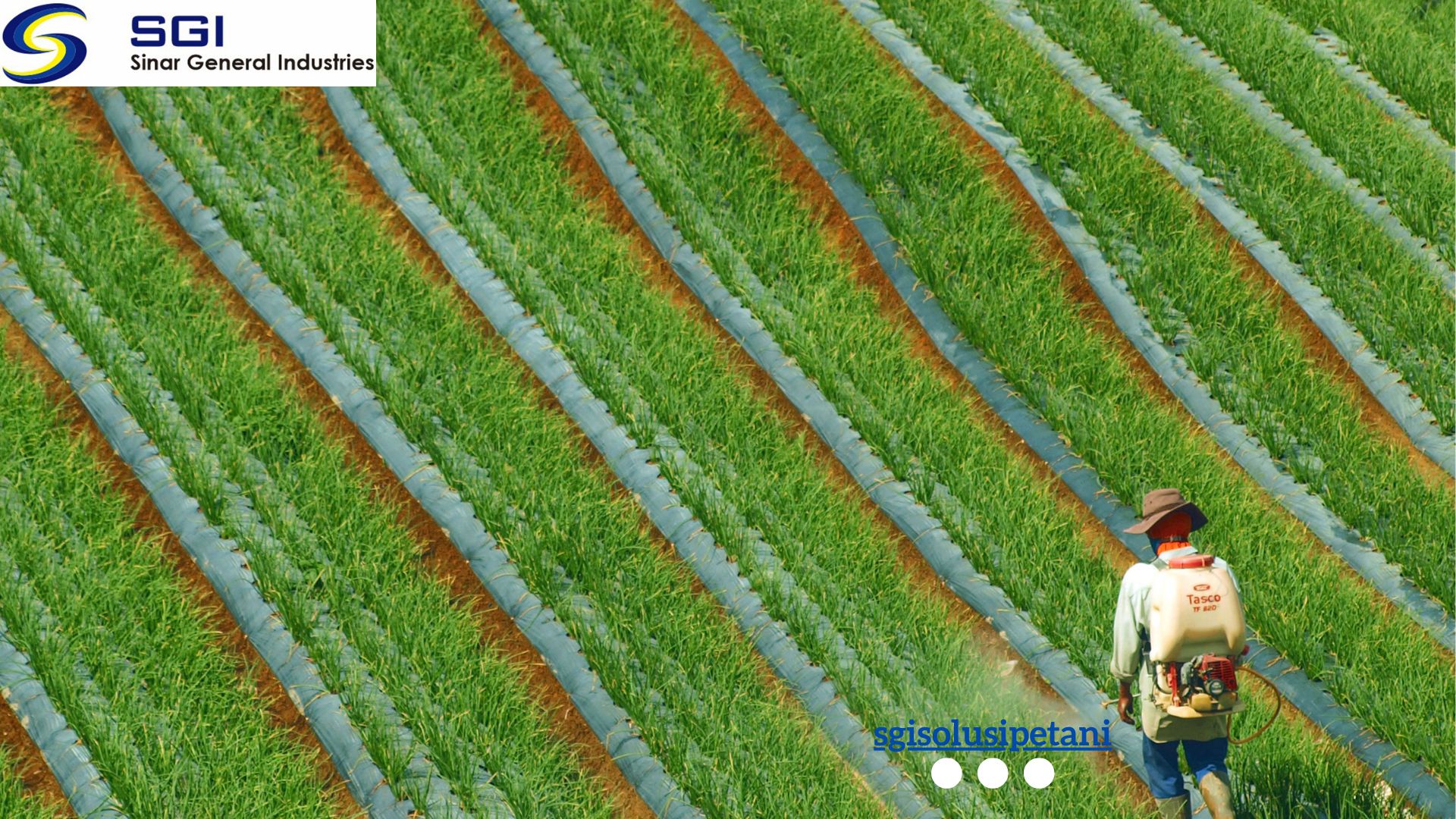
Before starting to spray pesticides, SGI Friends must ensure that the sprayer is clean, in good working order, and ready for use. Check important parts such as the nozzle, hose, and spray pressure to ensure they are functioning properly. A clean and properly functioning sprayer will help ensure more even coverage and enhance the effectiveness of the pesticide.
2. Preparing the Pesticide
Once the sprayer is ready, prepare the pesticide you intend to use. Of course, SGI Friends, you need to ensure that the pesticide used is appropriate for the target organisms you wish to control.
Not only that, but you must also pay attention to the pesticide dosage and ensure you do not use excessive amounts. When the pesticide needs to be diluted with water, use clean water and avoid stirring the mixture with your bare hands.
3. Spraying Process
The pesticide spraying process must be carried out meticulously and carefully. During the spraying process, you must ensure that all parts of the plant are covered by the pesticide solution.
Additionally, pay attention to the duration of the spraying. The duration varies depending on the area’s size and the type of plant being sprayed. The key is to ensure the pesticide solution is sprayed evenly and in an appropriate amount.
4. Monitoring
Once the spraying process is complete, it is necessary to monitor the plants periodically. This step is crucial because it aims to ensure the effectiveness of pest control measures.
Through this monitoring, you can assess whether a repeat application of pesticides is necessary. Careful monitoring is highly effective in helping to prevent greater losses from crop failure caused by pest infestations.
By following the steps above, pesticide spraying efforts can be carried out more effectively. Additionally, it is advisable to immediately clean the equipment used to ensure no pesticide residue remains. This helps extend the equipment’s service life.
Choose Pesticides with Official Approval
Ensure that the pesticides used have official marketing approval in accordance with government regulations. Registered products have undergone testing for effectiveness, safety, and quality and are more reliable than unregistered products. Information regarding approval is usually listed on the packaging label along with usage instructions.
Match the Pesticide to the Crop Type. Not all pesticides are suitable for use on every type of crop. Crops such as rice, corn, chili peppers, tomatoes, red onions, oil palm, rubber, and horticultural crops have different characteristics. Therefore, always read the information on the product label regarding the target crops before applying the pesticide.
Use According to the Recommended Dosage
There is still a widespread belief that the higher the pesticide dosage, the better the results will be.
That assumption is incorrect.
Using pesticides in excess of the recommended dose can actually cause plant poisoning, increase production costs, leave high levels of residue, and accelerate the development of pest resistance. Conversely, using too low a dose also makes pest control ineffective. Therefore, follow the dosage instructions listed on the product label.
Spraying Timing Determines Success
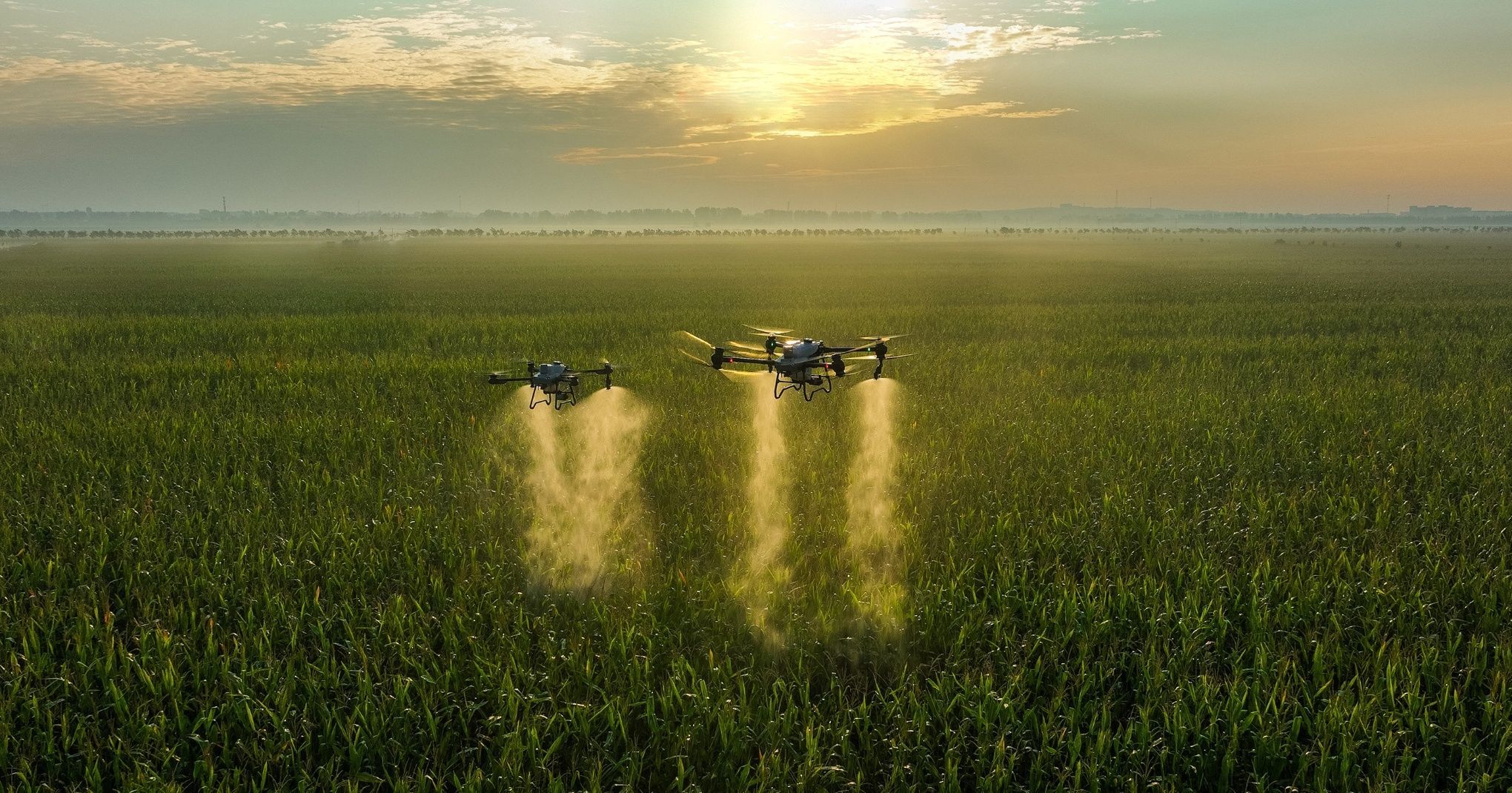
The timing of spraying greatly affects the effectiveness of pesticides. Spraying should be done in the morning or evening when temperatures are not too high and the wind is relatively calm. Avoid spraying during rain because the pesticide solution can be washed away by water, reducing its effectiveness.
When selecting pesticides, prioritize products that are of high quality, have clear legal status, and are backed by technical consultation services.
PT Sinar General Industries is committed to providing solutions for farmers by supplying high-quality products that support crop growth and boost agricultural productivity.
If you, our SGI friends, need information about high-quality fertilizer and pesticide solutions for various types of crops, please consult with us regarding your agricultural needs. Visit https://pt-sgi.com/ to access product information, consultation services, and agricultural solutions tailored to your farming business needs.
 17 October 2026
A Nozzle Is More Than Just the Tip of a Sprayer: Here’s How It Affects Spraying
Nozzles determine much more than just the direction of the spray. They also affect droplet size, flow rate, and spray pattern. Let’s take a...
 12 October 2026
Understanding Glyphosate A Systemic Herbicide for Weed Control
Glifosat dikenal sebagai herbisida sistemik non-selektif yang bekerja dari daun menuju titik tumbuh tanaman.
 14 August 2026
The Spirit of Independence Boosts Crop Productivity with Coin 45 Boron Fertilizer
The benefits of boron fertilizer for plants, its role in flowering and fruit formation, and how to use Coin 45 correctly and in a balanced m...