




Weeds as Plant Pests and Proven Effective Ways to Control Them
Share:
The cultivation of various crops, including food crops and plantation crops, cannot be separated from the presence of weeds. Weeds are plants that grow around cultivated crops without being intentionally planted and are generally considered harmful because they can inhibit crop growth, reduce both the quantity and quality of yields, and serve as hosts for pests and plant diseases. Therefore, weed growth must be controlled as early as possible to prevent weeds from spreading rapidly.
According to Nasution (1986), “Weeds are plants that grow in places where they are not wanted, causing losses to human life and activities. These losses include competition that reduces the availability of nutrients for crops and promotes allelopathic effects.” Allelopathic substances are chemical compounds that can have toxic or inhibitory effects on other plants.
If Sobat SGI allows weeds to grow uncontrolled around main crops, the impact goes beyond reduced yields. Uncontrolled weeds can also contribute to long-term deterioration of land productivity. Therefore, a comprehensive understanding of weeds as a category of Plant Pest Organisms (PPOs) is essential for every farmer.
The Negative Impact of Weeds on Agricultural Land and Crop Yields
The presence of weeds in agricultural areas can cause various losses that farmers may not recognize at an early stage. Yield losses caused by weed competition can range from 15% to more than 50%, depending on the severity and density of the weed population in the field.
The following are some of the major impacts of weeds on agricultural land:
Competition for Nutrients, Water, and Sunlight
Weeds often have aggressive root systems that absorb nutrients and water from the soil. In addition, rapidly growing weed canopies can shade the main crops, limiting the amount of sunlight available for photosynthesis.
Release of Allelopathic Compounds
Some weed species release toxic chemical compounds through their roots or during the decomposition of their plant tissues. These compounds can inhibit seed germination and root development in cultivated crops.
Hosts for Pests and Plant Pathogens
Weeds can serve as hiding places or breeding grounds for various insect pests, such as aphids, caterpillars, and mites, as well as pathogens such as fungi and bacteria that cause plant diseases.
Reduced Crop Quality
Dense weed populations can make it difficult for farmers to move around the field during fertilization, spraying, and harvesting activities.
Reduced Crop Quality
Weed seeds or plant parts that become mixed with harvested crops can reduce the market value and quality of agricultural commodities.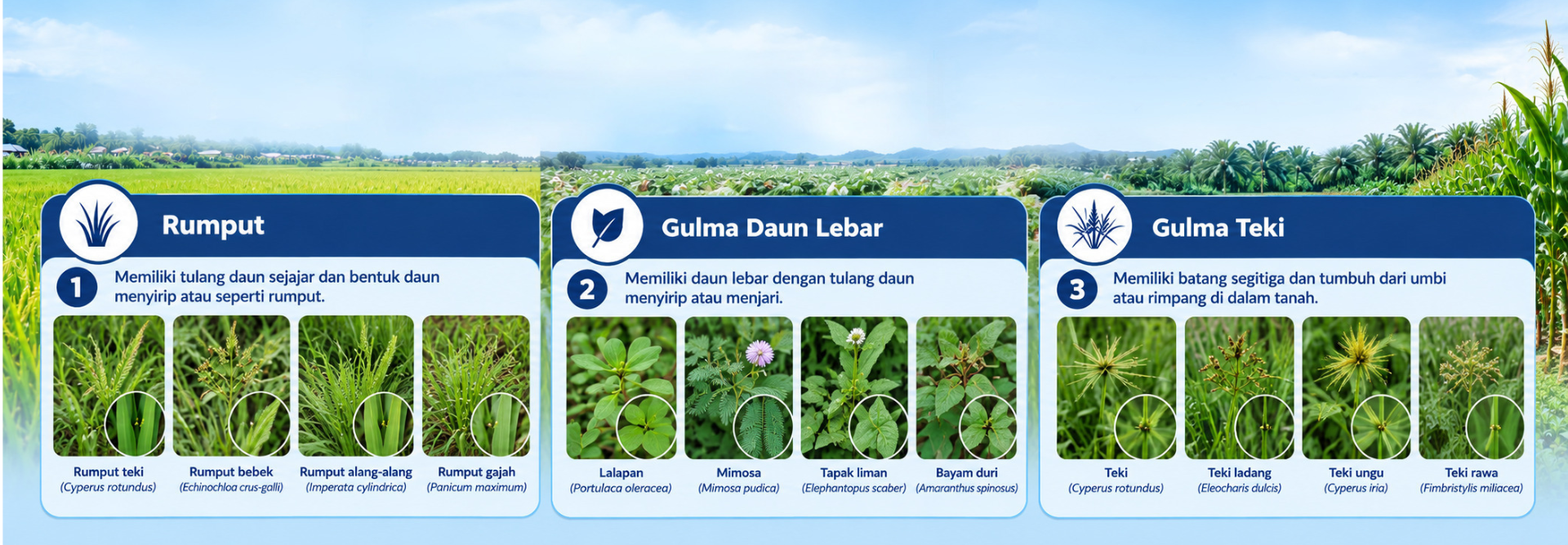
Classification of Weed Plant Pests in Agricultural Areas
To determine the appropriate control strategy, Sobat SGI needs to identify weed groups based on their physical characteristics and growth habits. This classification makes it easier to select the most efficient weed management method.
1. Grass Weeds
Grass weeds have narrow, elongated leaves with parallel leaf veins. Their stems are generally round or slightly flattened and may be hollow. Grass weeds have strong fibrous root systems that firmly anchor them in the soil. Examples include Eleusine indica (goosegrass) and certain sedge-like grass species.
2. Sedge Weeds
Sedge weeds are characterized by triangular stems that are generally solid rather than hollow. Their leaves are arranged in three rows and typically lack ligules. One of the main characteristics that makes sedges difficult to eradicate is the presence of underground tubers that can survive for a long time even after the above-ground parts have been removed. One example is Cyperus iria (rice flatsedge).
3. Broadleaf Weeds
Broadleaf weeds generally belong to dicotyledonous plants or, in some cases, fern groups. Their leaves are broad and have pinnate or palmate venation. These weeds usually have branched stems and taproot systems. Examples include Amaranthus spinosus (spiny amaranth), Physalis angulata (cutleaf groundcherry), and Ageratum conyzoides (billygoat weed).
Yield Loss Data and Major Weed Groups
To provide a clearer overview, the following table presents the classification of weeds along with their potential impact on crop yields in food-crop production:
Weed Group | Main Characteristics | Examples | Potential Yield Loss |
|---|---|---|---|
Grass Weeds | Narrow, elongated leaves with parallel veins, round and hollow stems, strong fibrous roots | Goosegrass, sourgrass | 20%–40% |
Sedge Weeds | Triangular stems and long-lasting underground tubers | Rice flatsedge | 30%–50% |
Broadleaf Weeds | Broad leaves with pinnate or palmate veins, branched stems, taproots | Billygoat weed, spiny amaranth | 15%–35% |
Effective Strategies and Methods for Controlling Weed Plant Pests
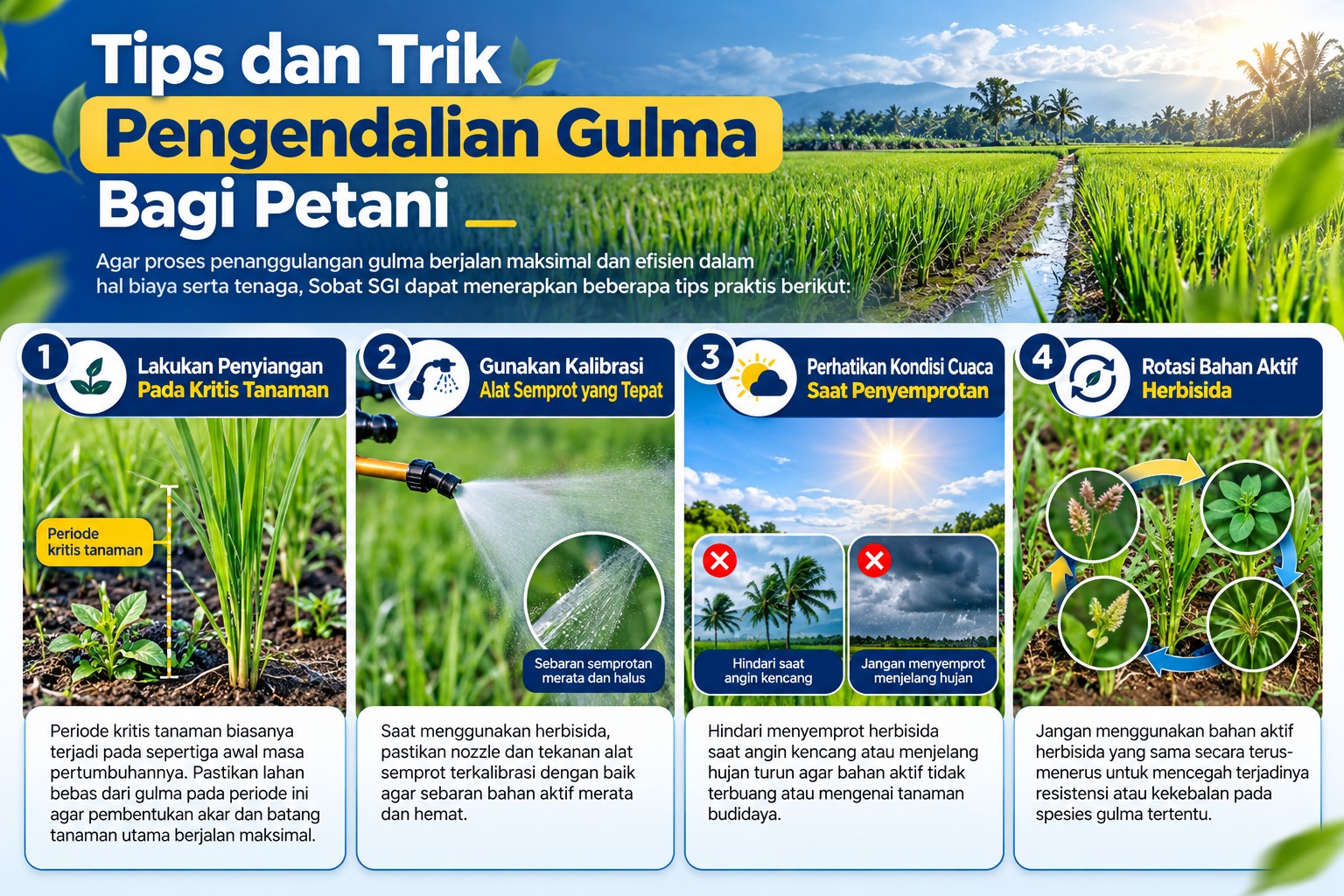
Weed control should not be carried out arbitrarily. Sobat SGI is encouraged to apply the principles of Integrated Pest Management (IPM) by combining various control methods in a wise, systematic, and well-planned manner.
Cultural Control
Cultural control focuses on creating environmental conditions that support the growth of the main crop while suppressing weed development.
Proper Plant Spacing
Using appropriate and optimal plant spacing allows the crop canopy to cover the soil surface more quickly, thereby reducing opportunities for weeds to grow.
Crop Rotation
Implementing crop rotation by changing the type of crop grown can help break the life cycle of certain weed species that tend to dominate specific cropping systems.
Water Management
In lowland rice cultivation, properly managing water depth has been shown to be effective in suppressing the growth of grass and broadleaf weed seedlings.
Chemical Control
Chemical weed control using herbicides is generally applied when weed populations exceed the economic threshold or in large-scale agricultural areas where rapid weed control is required.
Pre-Emergence Herbicides
Pre-emergence herbicides are applied before weed seeds germinate or before the main crop is planted to prevent weeds from emerging at an early stage.
Post-Emergence Herbicides
Post-emergence herbicides are applied when weeds are already actively growing in the field. Selecting the appropriate selective herbicide is essential to avoid damaging the main crop.
Agricultural Solutions from PT Sinar General Industries
Proper weed management is a key step in maintaining productivity and the success of Sobat SGI's farming activities. Selecting efficient control methods and combining them with high-quality agricultural inputs can help farmers achieve optimal yields.
PT Sinar General Industries is committed to providing solutions for farmers by supplying quality agricultural products that support crop growth and help improve agricultural productivity.
If Sobat SGI needs information about quality fertilizer and pesticide solutions for various types of crops, consult your agricultural needs with us. Visit https://pt-sgi.com/ to learn more about our products, consultation services, and agricultural solutions tailored to your farming needs.
Related Articles
Shallot
30 September 2026
 Shallot
29 September 2026
Shallot
29 September 2026
 Shallot
28 September 2026
Shallot
28 September 2026
Related Products
-
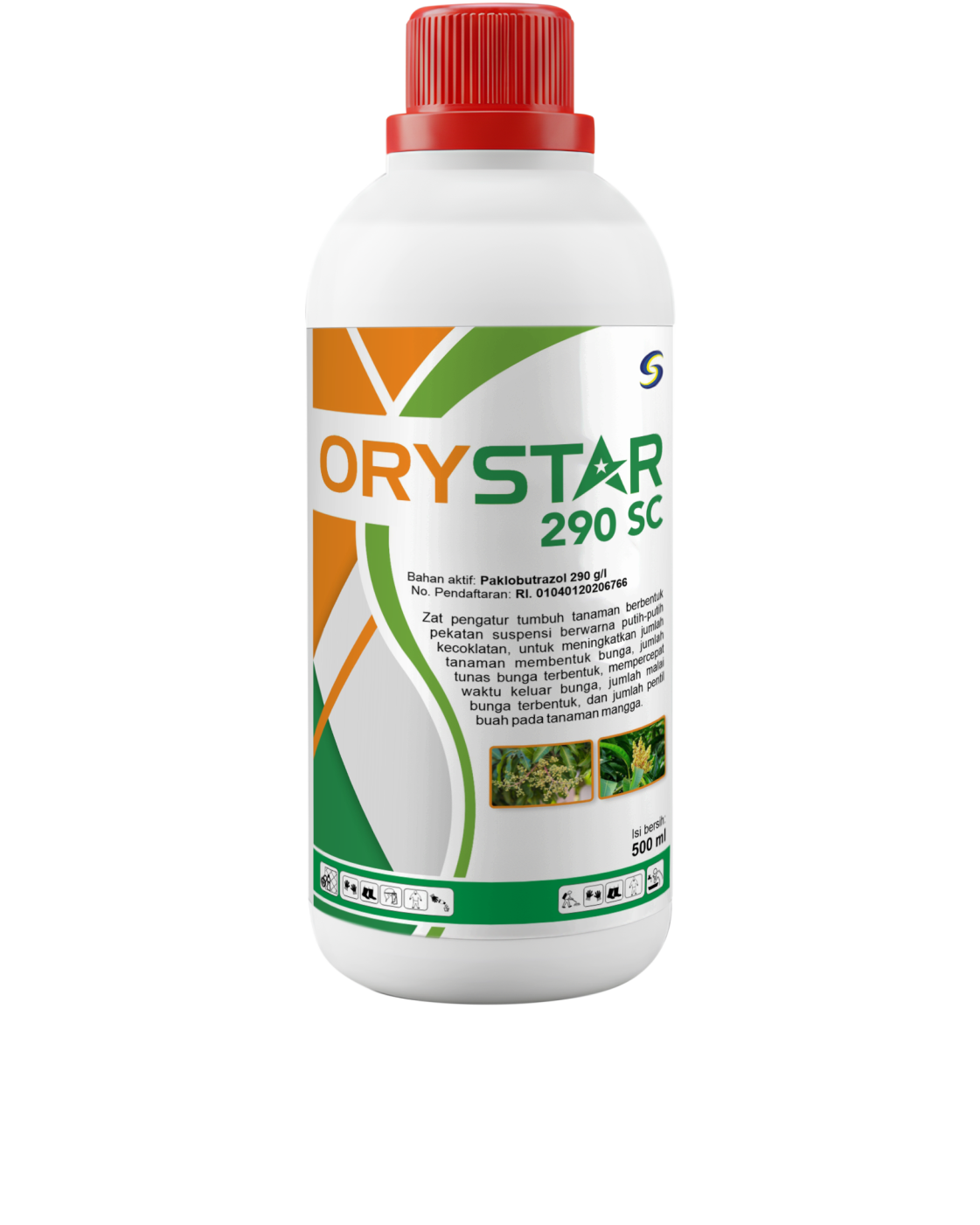


Fertilizers
Orystar 290 SC
Paclobutrazol 290 g/l
-
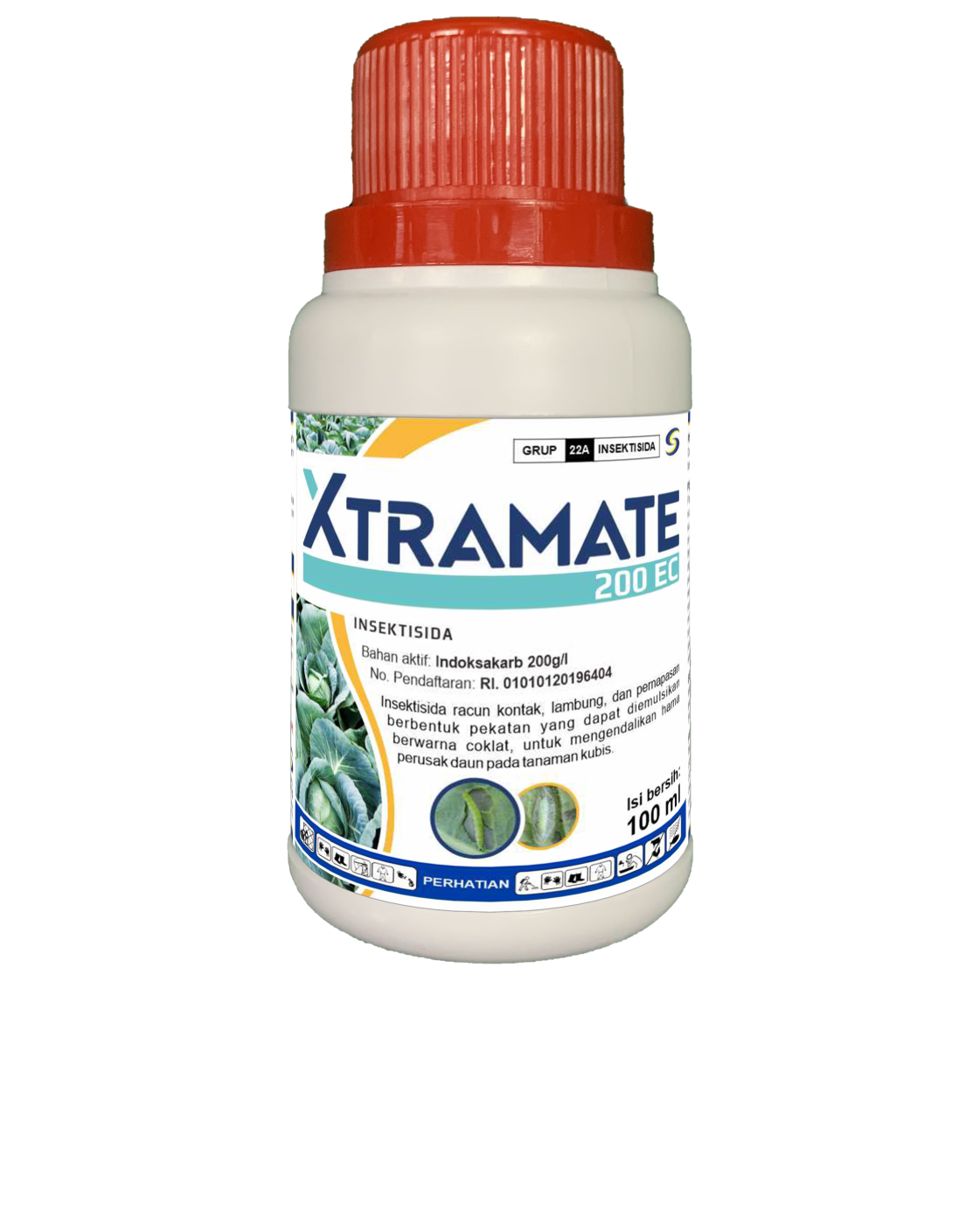

Insecticide
Xtramate 200 EC
Indoxacarb 200 g/l
-
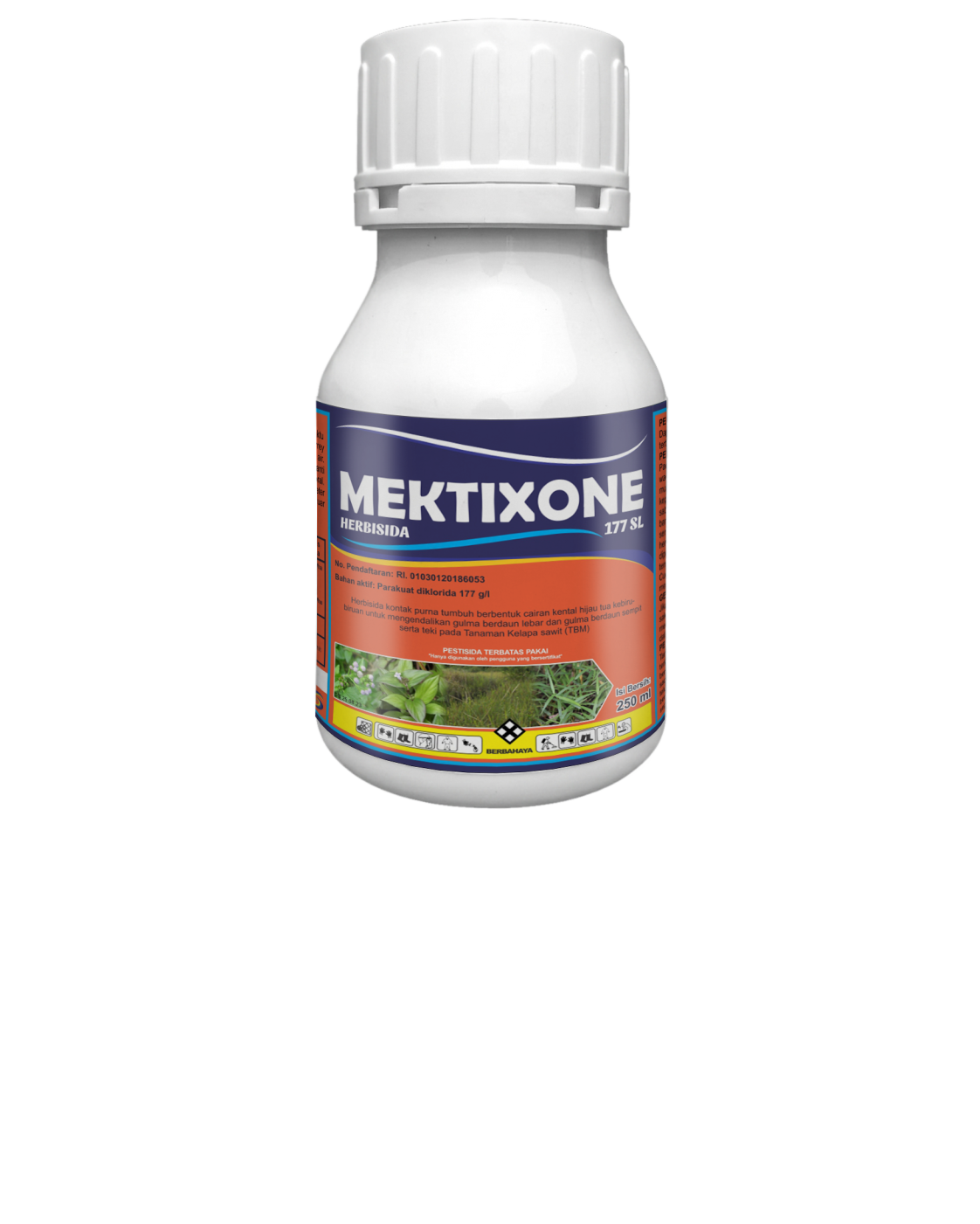

Herbicide
Mektixone 177 SL
Paraquat dichloride 177 g/l
-
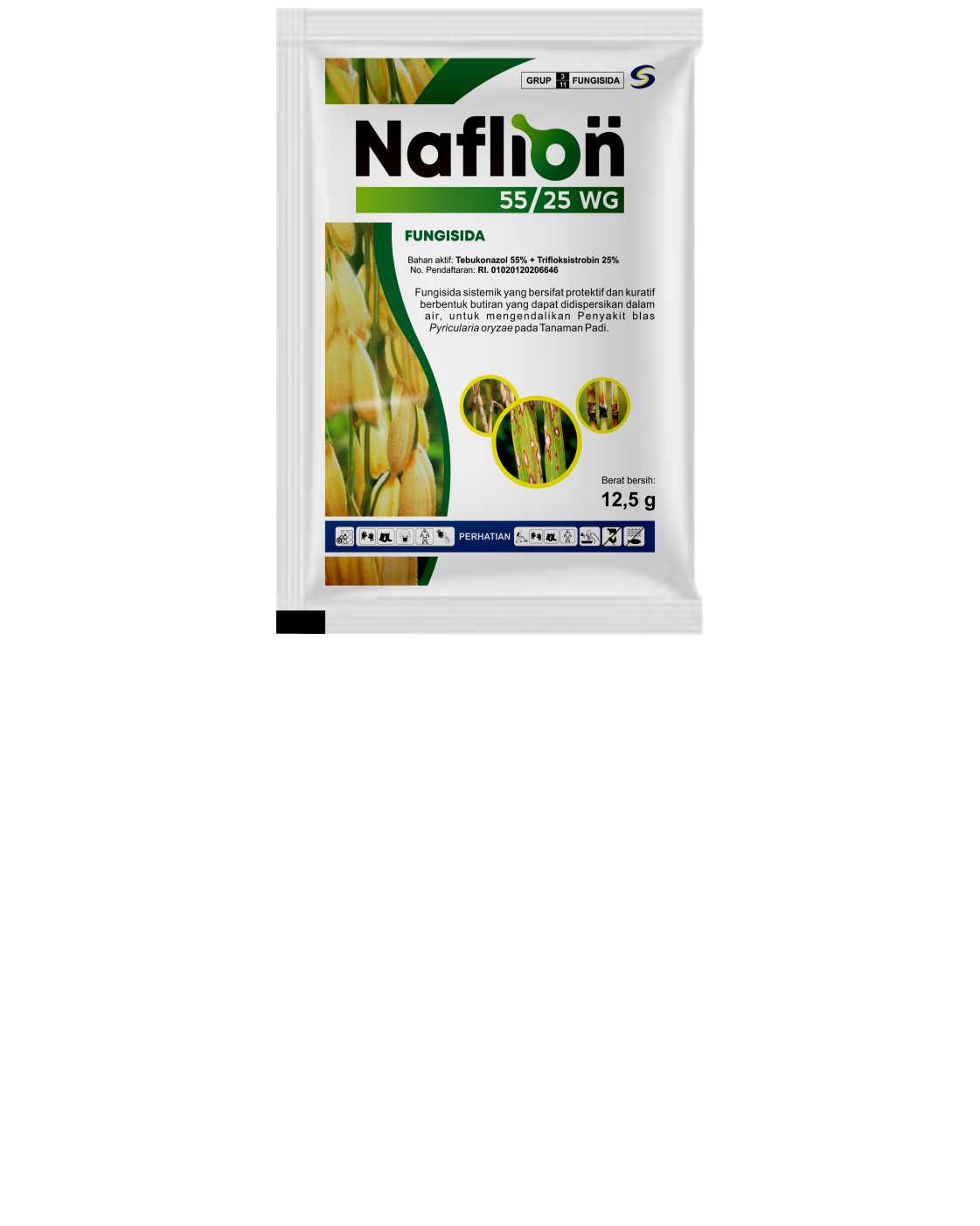

Fungicide
Naflion 55/25 WG
Tebuconazole 55%
Trifloxystrobin 25%
-
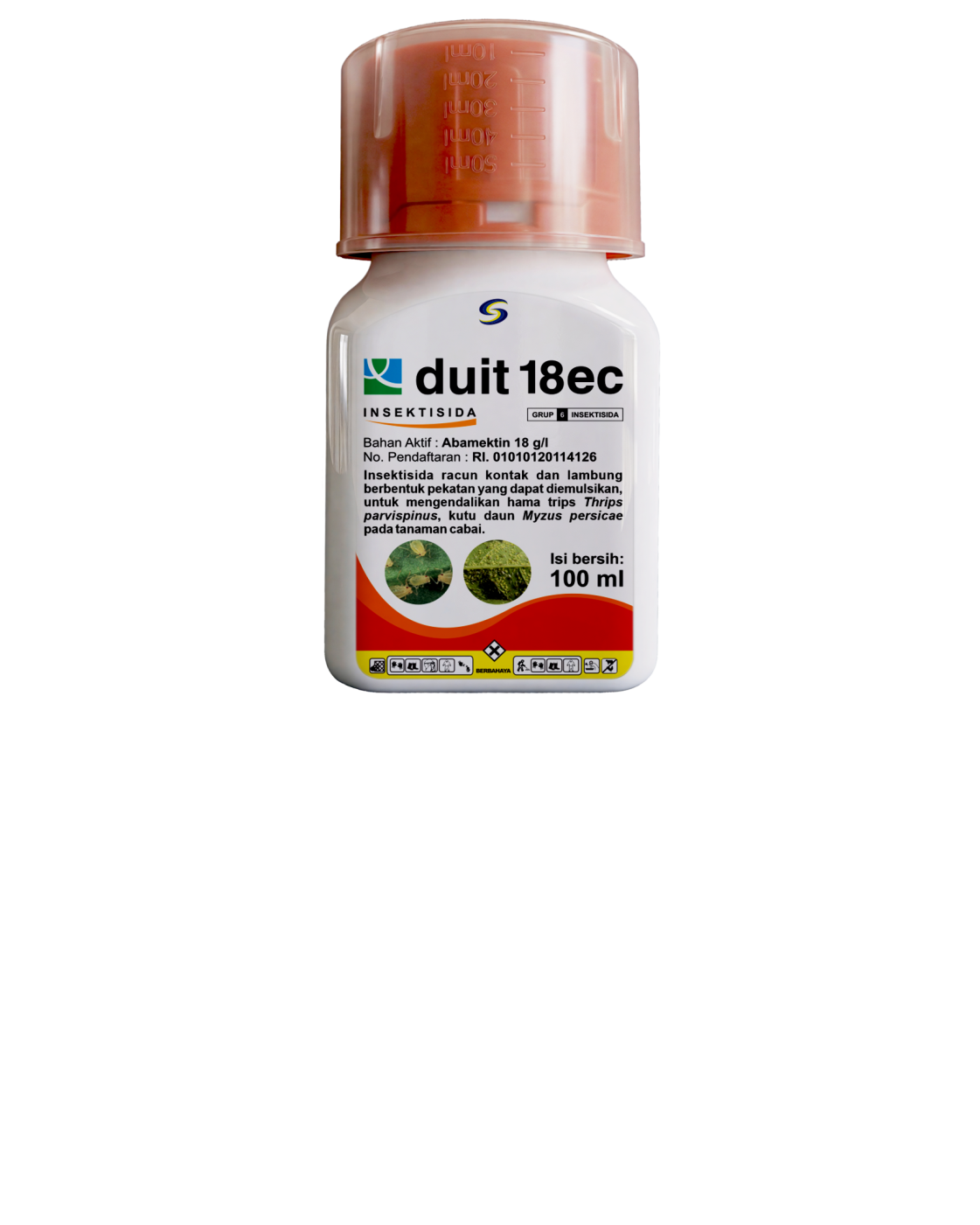

Insecticide
Duit 18 EC
Abamectin 18 g/l
-
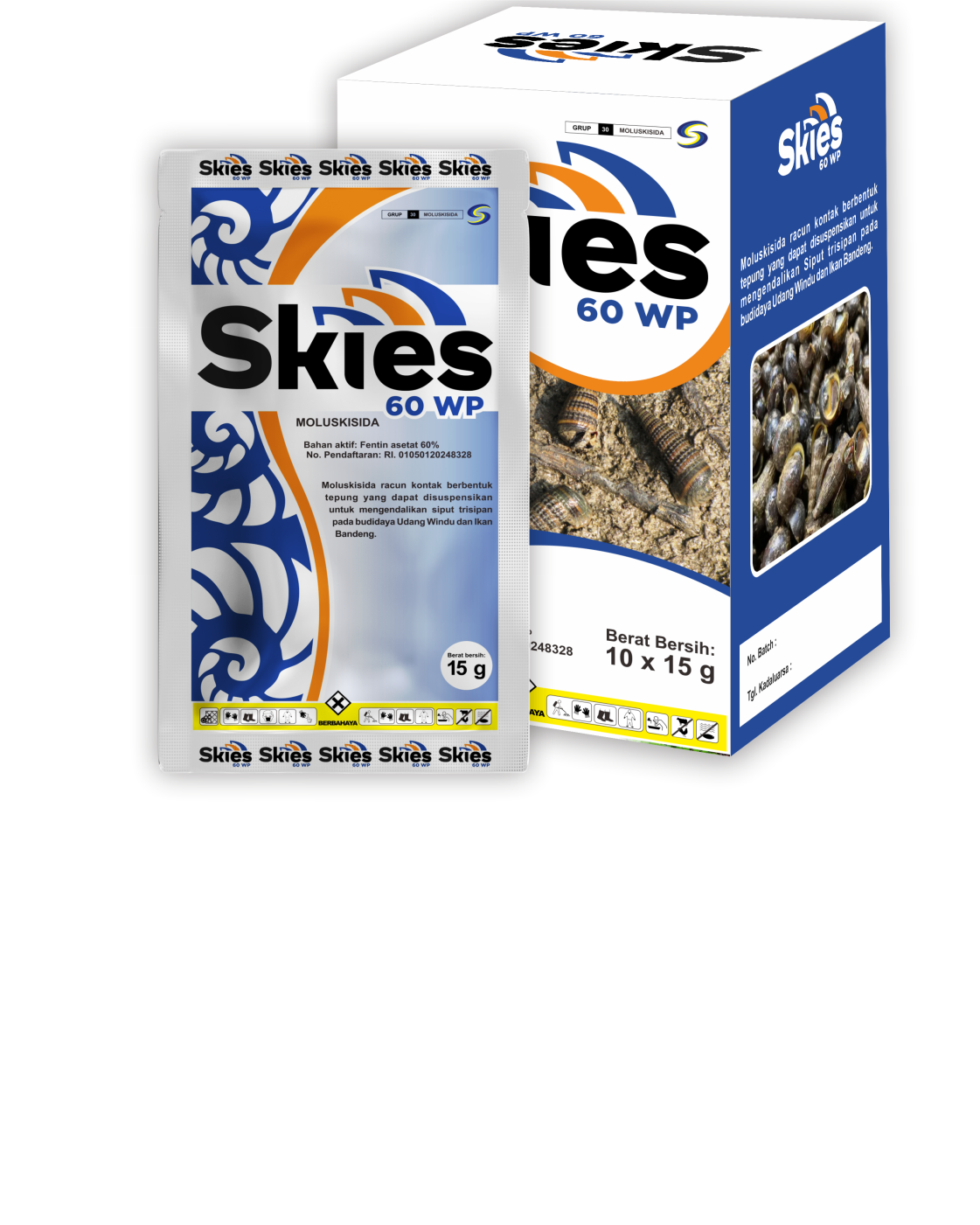

Moluscicide
Skies 60 WP
Fentin Acetat 60%