




Understanding the Brown Planthopper Pest in Paddy Crops
Share:
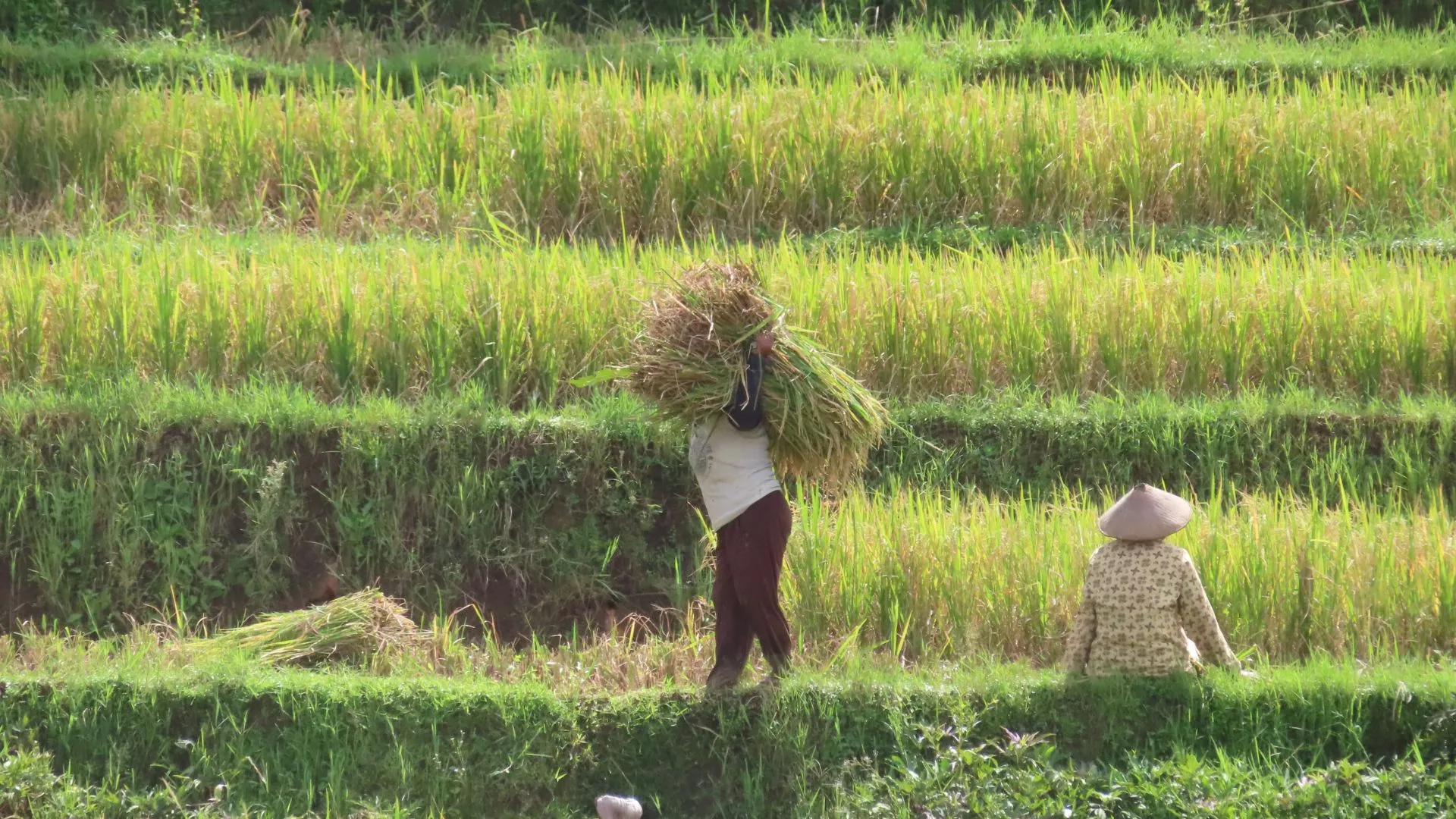
Do not wait for the paddy plants to dry out. Brown planthoppers often hide at the base of the tiller cluster, making inspection from the lower part of the plant the crucial first step in preventing widespread infestation. |
Did you know, SGI friends, that the brown planthopper (Nilaparvata lugens) on rice stalks causes severe losses for farmers? Among the various plant-damaging organisms (PDOs) affecting rice crops, the brown planthopper stands out as one of the threats most feared by farmers. Infestations from this pest should never be taken lightly; under severe conditions, the brown planthopper can destroy entire crops, triggering total crop failure (puso). The level of danger is even higher because this pest exhibits high plasticity, meaning it possesses an extraordinarily fast ability to adapt to changing environmental conditions.
Physically, planthoppers are small, brownish insects measuring only about 2 to 4.4 mm in body length that survive by sucking sap from rice stalks. Upon reaching the adult stage, these insects diverge into two distinct morphs: short-winged (brachypterous) and long-winged (macropterous). The long-winged planthoppers require the highest vigilance because they are capable of flying long distances to infest new fields. Interestingly, the brown planthopper is classified as a monophagous insect, meaning its diet is highly specific, feeding exclusively on cultivated rice and wild rice species (Oryza perennis and Oryza spontanea).
Why Must the Brown Planthopper Be Controlled Early?
The brown planthopper (Nilaparvata lugens) is a major pest in rice cultivation. Equipped with piercing-sucking mouthparts, it extracts sap from plant tissues, primarily at the base of the tiller cluster. As population density grows, plants suffer severe fluid loss and lose their ability to develop normally.
The Ministry of Agriculture notes that brown planthoppers damage rice both directly, by sucking plant sap, and indirectly, by transmitting ragged stunt and grassy stunt viruses. Vulnerable growth stages stretch from the nursery phase all the way to the milk grain stage. Consequently, continuous monitoring and management are required throughout almost the entire rice-growing season.
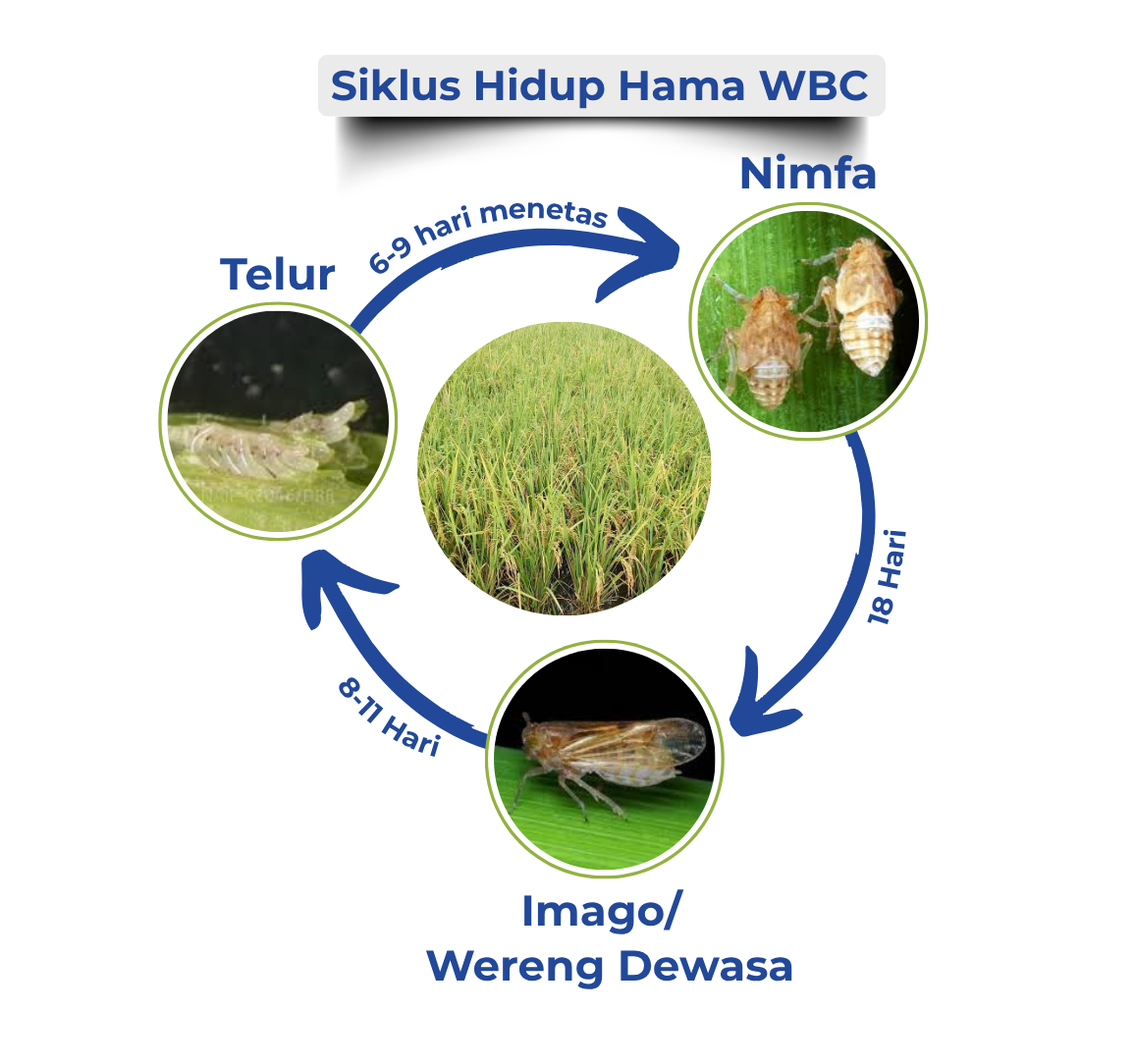
Life Cycle of the Brown Planthopper
Under greenhouse conditions, a single adult female brown planthopper can lay between 100 to 200 eggs. These eggs hatch after 7 to 10 days, typically during the morning hours. The brown planthopper requires only 25 to 30 days to complete a full life cycle from egg, through nymphal stages, to adult. Consequently, up to four overlapping generations can establish themselves within a single field. This means planthopper populations can multiply thousands of times over in a short period.
The brown planthopper (Nilaparvata lugens) is one of the most destructive pests for rice farmers. Both in the nymphal (immature) and adult stages, this pest attacks by inserting its piercing mouthparts (stylet) directly into the phloem tissues at the base of the stem to suck out plant nutrient sap.
Growth Stages and Sap Consumption
Late-Instar Nymphs (4th & 5th Instars): Consume plant sap much more aggressively and in higher volumes than early-instar nymphs (1st–3rd instars).
Adult Female Planthoppers: Require higher nutritional intake for reproduction, thus consuming significantly more plant sap than male planthoppers.
Recognizing Symptoms of Brown Planthopper Infestation
Planthoppers First Detected at the Plant Base
In the initial stages, crops may not show noticeable changes. However, when tiller clusters are opened, adult planthoppers or nymphs become visible around the lower stems. This is a crucial moment to increase monitoring frequency.
Plants Begin Yellowing
If sap extraction continues unabated, leaves start losing their green color and turn yellowish. Crop growth may also appear visibly slower compared to healthy surrounding plants.
Tiller Clusters Become Weakened
Rising population densities cause crops to lose higher volumes of fluid. Tiller clusters can appear weak, tillering becomes impaired, and parts of the plants begin to dry out.
Crops Dry Out with Scorch-like Symptoms (Hopperburn)
As populations surge further, severe fluid depletion occurs. Clusters weaken dramatically, tiller development halts, and affected areas dry out completely, producing a scorched appearance across the field.
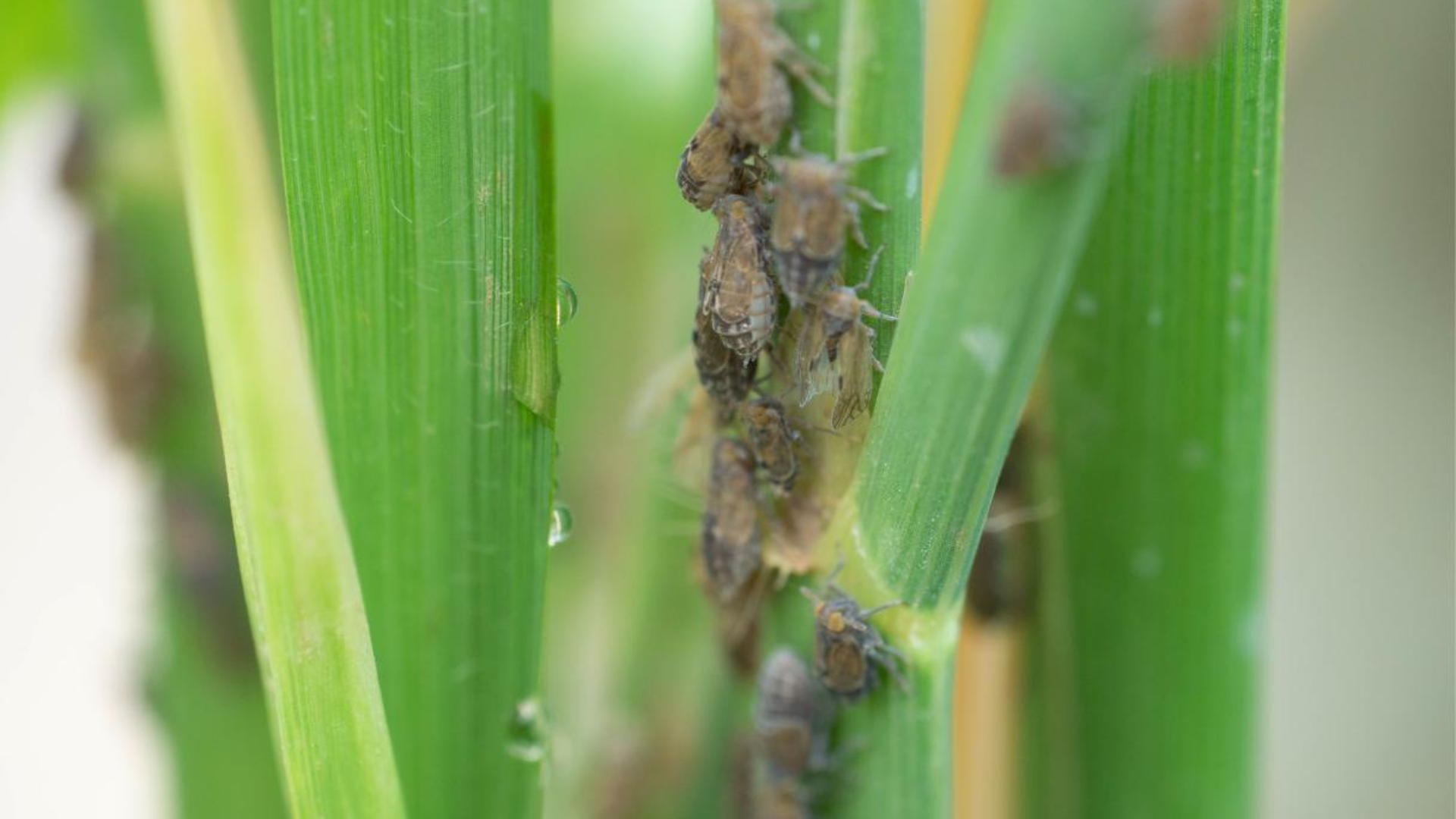
When Should You Start Watching for Brown Planthoppers?
SGI friends, brown planthoppers do not only require vigilance once rice crops have grown large. This pest can be found starting from the nursery phase and has the potential to attack crops across various growth stages up until harvest approaches.
In the initial period, winged adult planthoppers can migrate into seedbed areas. After seedlings are transplanted to the field, planthoppers typically settle at the base of the plant and suck sap from the rice tissue. If the population continues to grow, crops can turn yellow, suffer growth stunting, dry out, or even experience severe scorch-like symptoms known as hopperburn.
Monitoring should begin while crops are still in the seedbed. In the rice growth timeline used by SGI, field observations begin approximately 20 days before seedlings are transplanted, continuing post-transplanting through tillering up to the booting and panicle initiation stages at around 70 DAT (Days After Transplanting).
In the rice cultivation stages referenced in SGI's management materials, monitoring starts from the nursery phase about 20 days prior to transplanting (marked as -20 DAT), proceeding from 0 DAT post-transplanting, through active tillering up to approximately 40 DAT, and into the booting and panicle initiation phase up to around 70 DAT.
This range is vital for monitoring because planthopper populations can multiply rapidly under favorable environmental conditions. The Ministry of Agriculture's Brown Planthopper Control Handbook for Rice Crops also emphasizes the importance of early detection in both nurseries and main fields.
However, the -20 to 70 DAT timeframe does not mean planthoppers only attack during these ages. Brown planthoppers can still be present during other growth stages. Therefore, field checks must continue based on crop conditions and local pest population trends.
A complete discussion on what actions to take at each crop stage is covered in our specialized PEST article. For comprehensive guidelines from the nursery phase, post-transplanting, tillering, through to booting and panicle initiation, read the article Brown Planthopper Control Strategies Based on Rice Growth Stages.
What Triggers Rapid Planthopper Population Surges?
Planthopper population explosions do not stem from a single factor. Crop health, agronomic practices, weather conditions, natural enemy presence, and pesticide application choices are all interconnected. Pay close attention to the following factors:
Excessive Nitrogen Fertilization: Crops receiving excess nitrogen tend to produce denser canopy foliage and softer plant tissue. The Ministry of Agriculture notes that high-nitrogen crop conditions favor planthopper development. Outbreaks are further driven by global climate shifts that alter pest dynamics. La Niña conditions bringing high rainfall during dry seasons create elevated humidity, triggering the brown planthopper's biological clock to reproduce at alarming rates. Therefore, fertilizer application must remain balanced and tailored to plant requirements and soil conditions.
Non-Synchronous Planting: As a major secondary trigger for planthopper surges, unsynchronized planting occurs when farmers plant out of sequence due to continuous water flow and promising market prices.
Overly Dense Spacing and High Humidity: Canopy closure that is too tight makes the lower portion of the crop shaded and humid. This microclimate favors planthopper development while making it difficult for farmers to spot populations at the base of tiller clusters. Proper planting spacing improves air circulation and simplifies field monitoring.
Unsynchronized Planting: When crop ages vary significantly within an area, food sources remain continuously available for planthoppers. They can easily migrate from older crops to younger ones. Synchronized planting across a single stretch of land shortens host plant continuity and streamlines collective control.
Improper Insecticide Use: Spraying too early, too frequently, or using products without monitoring data can decimate natural enemy populations. The Ministry of Agriculture highlights improper pesticide applications during early growth as a key factor turning planthoppers into a major problem, as natural predators are killed off. Insecticides should serve as one component of an integrated management plan, not the sole solution.
What Should Be Done at Each Rice Growth Stage When Planthoppers Are Detected?
Learn Plant Damaging Organisms (PDO) control strategies based on rice growth stages, monitoring timelines, and proper insecticide usage in the article Brown Planthopper Control Strategies in Rice Crops. For complete details, read more here.
Planthopper control on rice stalks is most effective when executed before widespread damage occurs. The key lies in spotting planthoppers at the base of tiller clusters, conducting routine field checks, using adapted resistant varieties, practicing synchronized planting, maintaining balanced fertilization, protecting natural enemies, and applying insecticides judiciously when economic thresholds are met.
PT Sinar General Industries remains continuously committed to empowering farmers by delivering high-quality agricultural solutions that support crop development and enhance farming productivity.
If SGI friends require further information regarding premium fertilizer and pesticide solutions tailored to various crop types, consult your agricultural needs with us. Visit https://pt-sgi.com/ to access complete product details, expert consultation services, and customized agricultural solutions for your farming business.
Related Articles
 Rice Plant
19 September 2026
Rice Plant
19 September 2026
 Rice Plant
26 August 2026
Rice Plant
26 August 2026
 Rice Plant
20 April 2026
Rice Plant
20 April 2026
Related Products
-
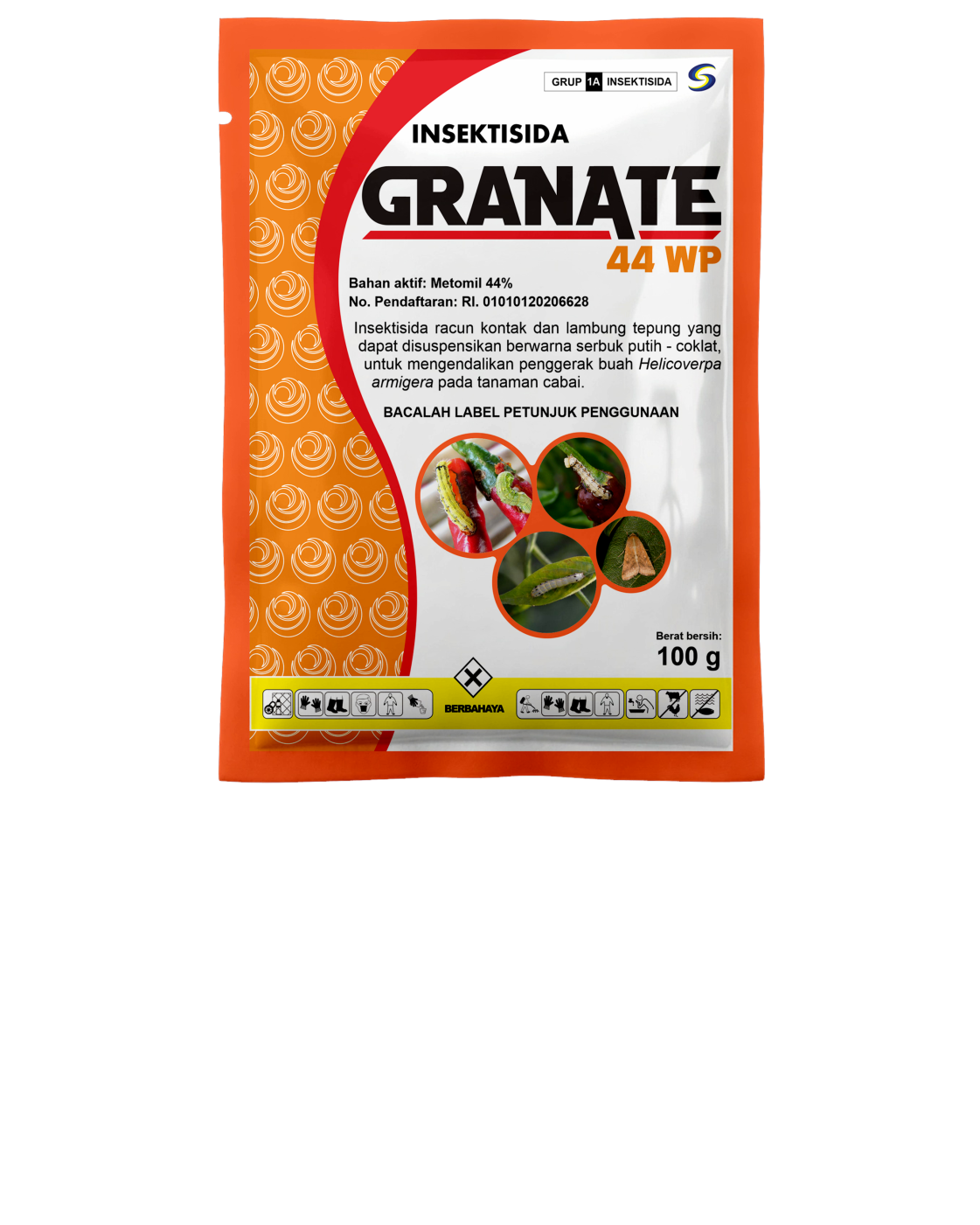


Insecticide
Granate 44 WP
Methomyl 44%
-


Herbicide
Broadcast 200 SL
L-Glufosinate Ammonium 200 g/l
-
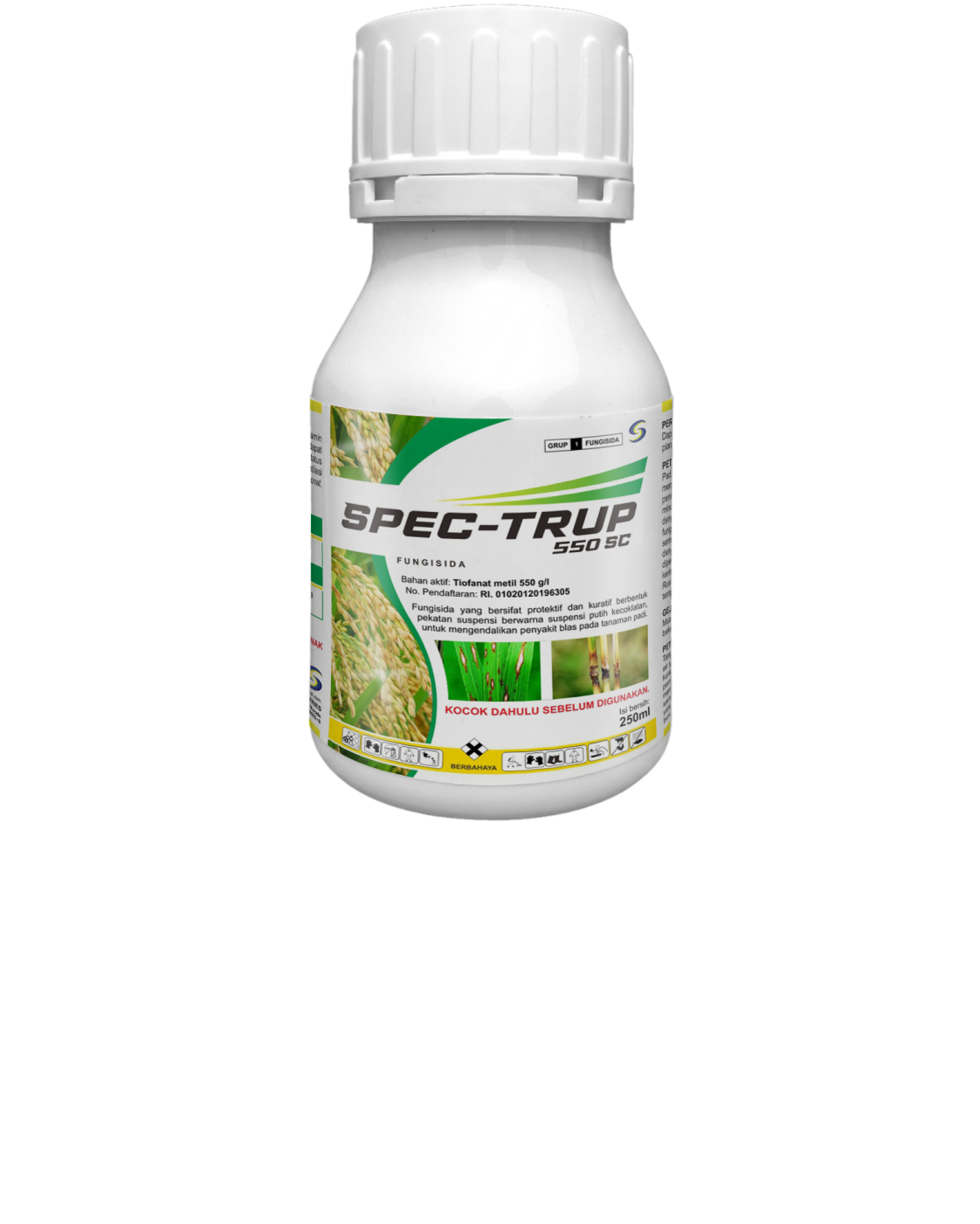

Fungicide
Spec-Trup 550 SC
Thiophanate-methyl 550 g/l
-


Herbicide
Thioron 550 SC
Diuron 550 g/l
-
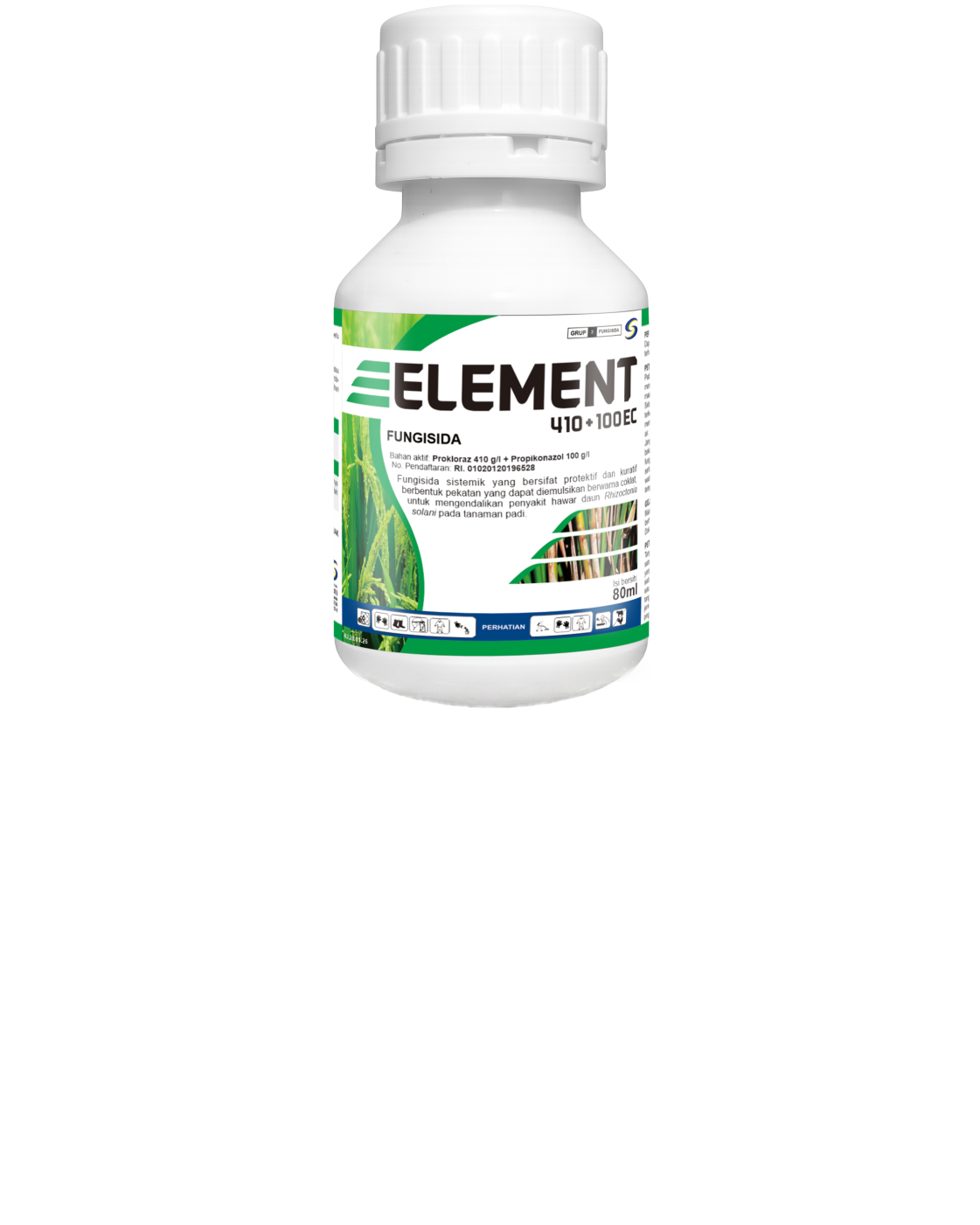

Fungicide
Element 410 + 100 EC
Prochloraz 410 g/l
Propiconazole100 g/l
-
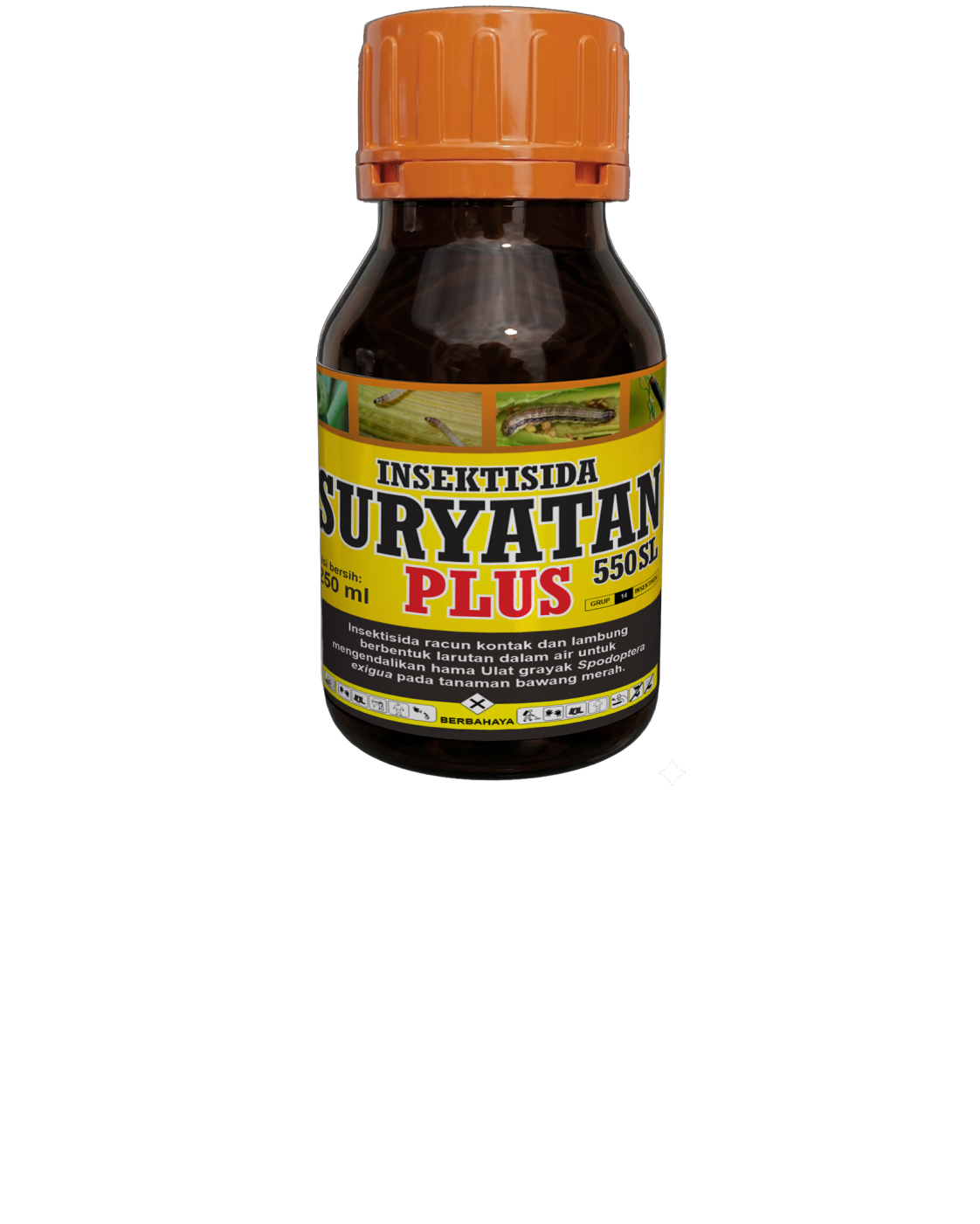

Insecticide
Suryatan Plus 550 SL
Dimehypo 550 g/l