




Strategic Guide to Rice Cultivation for Abundant and High Quality Yields
Share:
POPT Guide from Land Preparation, Vegetative Phase, Generative Phase, to Grain Filling
SGI - The application of proper crop cultivation techniques is one of the keys to successful rice harvesting. Several important cultivation activities include weeding, fertilization, and the proper and regular application of pesticides. These activities can help support optimal plant growth and development, allowing crops to grow more vigorously and remain protected from pest and disease attacks. SGI Friends, rice cultivation is not only about planting, but also about caring for the crop until harvest. Therefore, SGI Solusi Petani is here with various agricultural products that can help SGI Friends protect crops from Plant Pest Organisms (OPT) and support optimal harvest results. To help make rice crop management more effective, SGI Solusi Petani shares a crop care guide from the early stages of growth until just before harvest, along with product options that can be used according to crop needs. Let’s take care of rice crops together with SGI Solusi Petani and prepare for an optimal harvest!
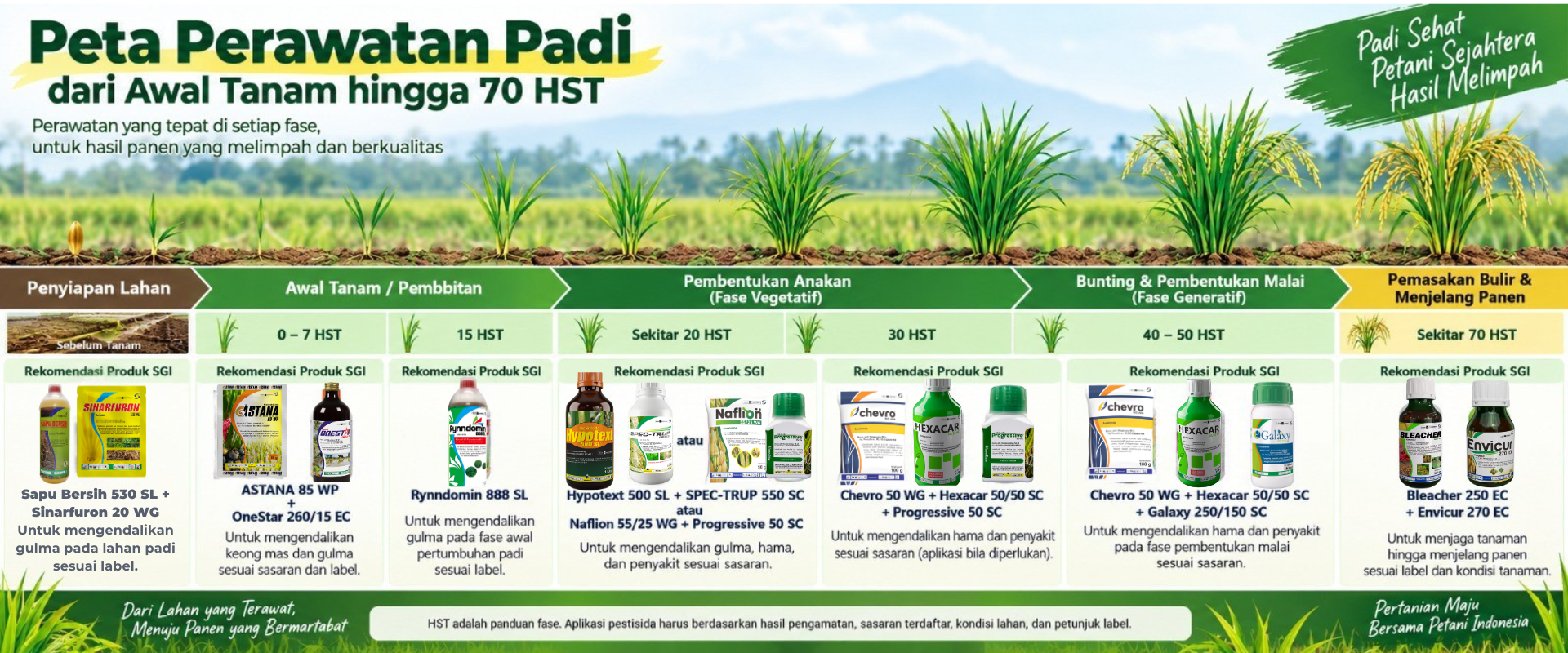
SGI Friends, here is a complete guide to strategies that farmers can use in rice cultivation so that the plants can grow healthier and produce more optimal yields.
1. Land Preparation & Soil Management
SGI Friends, before starting to plant rice, let’s prepare the land as well as possible. Make sure the paddy field surface is level, crop residues can decompose properly, irrigation channels function well, and early weed growth can be suppressed. Properly prepared land helps SGI Friends manage field conditions more easily from the beginning until the rice plants start growing.
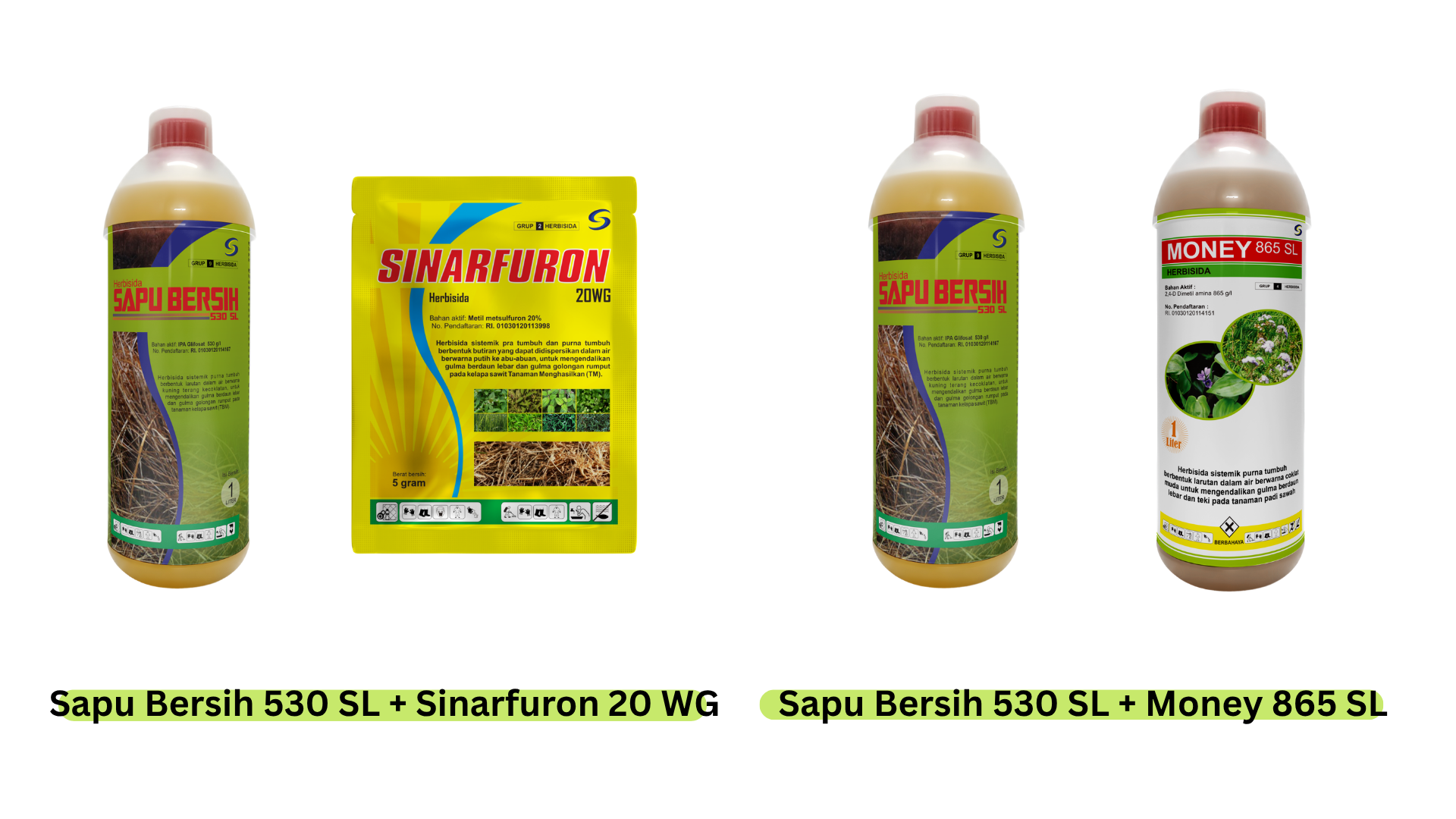
To help control weeds, SGI Solusi Petani provides package options that can be adjusted according to land conditions and the target weeds. SGI Friends can choose Sapu Bersih 530 SL + Sinarfuron 20 WG to help control weeds during land preparation. Sapu Bersih 530 SL is a broad-spectrum systemic post-emergence herbicide containing IPA Glyphosate 530 g/L as its active ingredient, used to control broadleaf weeds, narrow-leaf weeds, sedges, and cogon grass, at a dose of 1.5–2.5 L/ha. Sinarfuron 20 WG is a systemic pre-emergence and post-emergence herbicide containing Metsulfuron Methyl 20% as its active ingredient, used to control broadleaf weeds and grasses, at a dose of 75–150 g/ha.
Meanwhile, for weed control in lowland rice fields according to the specific target of each product, SGI Friends can choose the combination of Sapu Bersih 530 SL + Money 865 SL. Sapu Bersih 530 SL, containing IPA Glyphosate 530 g/L as its active ingredient, is applied at a dose of 1.5–2.5 L/ha, while Money 865 SL is a systemic pre-emergence and post-emergence herbicide containing 2,4-D Dimethyl Amine 865 g/L as its active ingredient, applied at a dose of 1.5–2.5 L/ha to control weeds in lowland rice crops.
With product options that match the target, SGI Solusi Petani is ready to accompany SGI Friends in preparing the land and protecting rice crops from the very beginning. Let’s begin cultivation with better-prepared land and proper weed control!
 2. Early Planting
a. (0–7 HST): Protect Young Plants from Golden Apple Snails and Weeds
At 0–7 days after planting (HST), rice plants are still in the early adaptation stage and require proper attention so they can grow well. One of the challenges that needs to be monitored is golden apple snail attacks, which can cut young rice plants, as well as weed growth that may interfere with the plants in obtaining growing space and nutrients. Therefore, early control needs to be carried out properly, especially when golden apple snails and weeds begin to become a problem in the field.
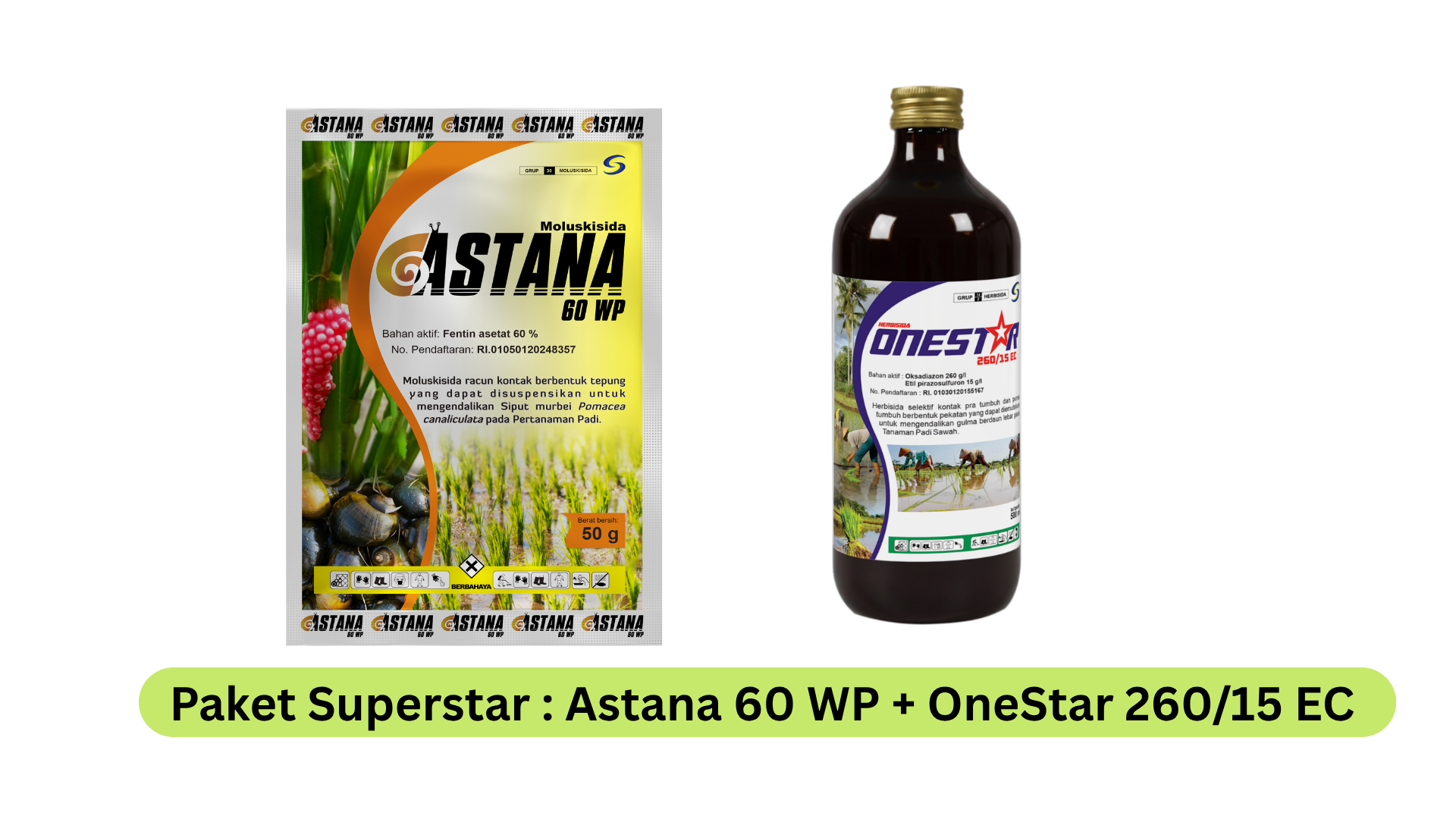
To help SGI Friends deal with these challenges, SGI Solusi Petani provides the Superstar Package, which combines Astana 60 WP + OneStar 260/15 EC as a recommended option for controlling golden apple snails and weeds in rice crops according to the respective target of each product.
Astana 60 WP is a molluscicide containing fentin acetate 85% as its active ingredient, which is used to control golden apple snails (Pomacea canaliculata) in lowland rice. Meanwhile, OneStar 260/15 EC is a selective herbicide containing two active ingredients, oxadiazon 260 g/L and pyrazosulfuron-ethyl 15 g/L, which works through contact and systemic action for pre-emergence and post-emergence weed control in rice crops, at a dose of 1.5–2.5 L/ha according to the label.
With this combination, the Superstar Package can be an option for SGI Friends who want to prepare their rice crops from the beginning so they are better protected from golden apple snail attacks and weed competition. Make sure each product is used according to its target, dosage, and label instructions so that control can be more precise and the plants can grow optimally.
B. 15 HST: Control Weeds, Support Tiller Growth
At 15 HST, rice plants begin to adapt and develop new roots. During this phase, weeds may also grow rapidly and compete for light, water, and growing space, so they need to be controlled to prevent them from interfering with tiller formation.
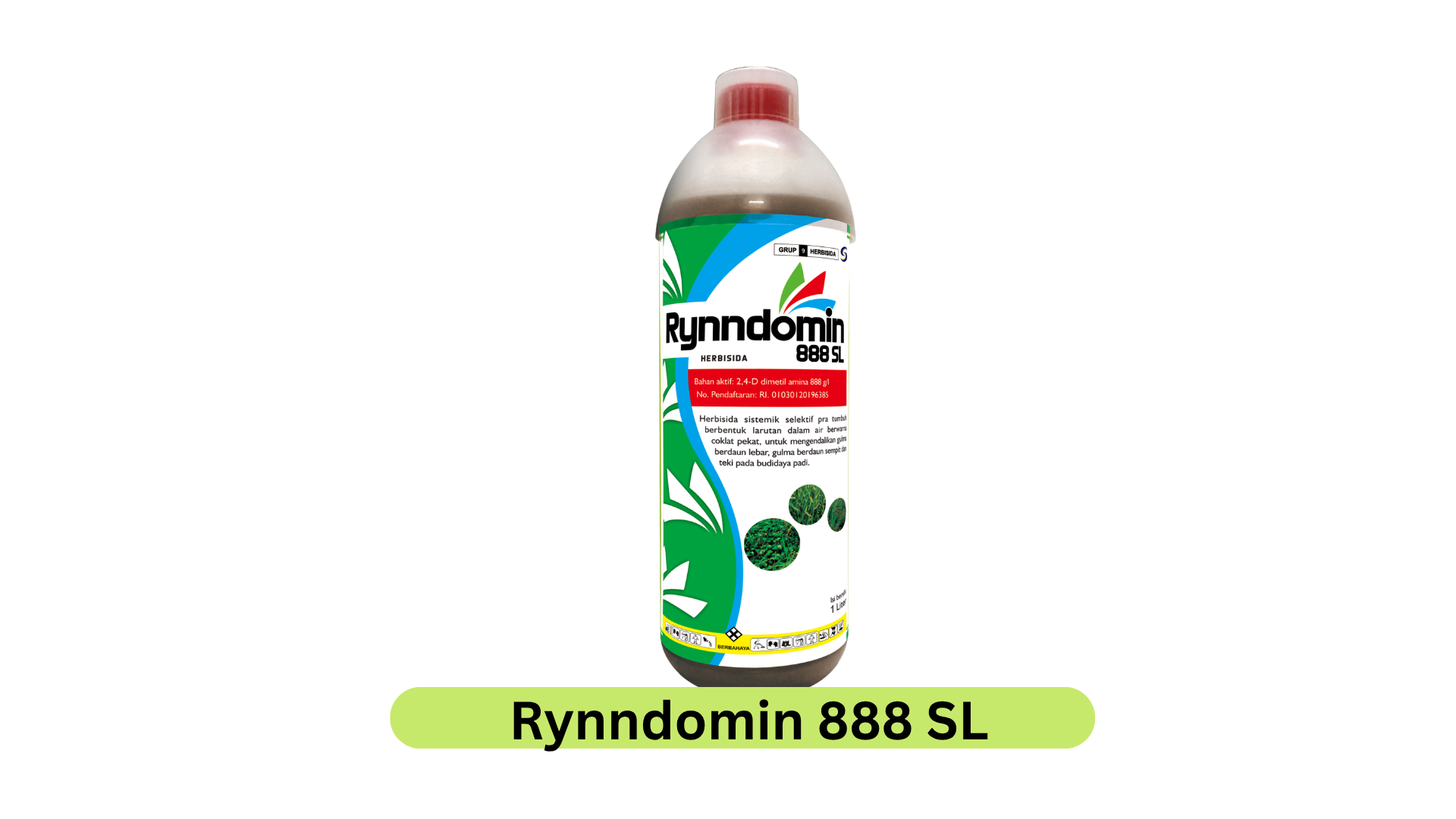
If weeds begin to become a problem, Rynndomin 888 SL can be one selective herbicide option for rice crops. Containing 2,4-D Dimethyl Amine 888 g/L as its active ingredient, this product is used to control broadleaf weeds, grasses, and sedges. The recommended dose is 0.75–1.5 L/ha, with application timing following the label instructions and the condition of weeds in the field. In addition to weed control, SGI Friends also need to carry out regular pest monitoring. Check the plant tips, stem bases, water surface, and undersides of the leaves so that pest attacks can be detected earlier.
3. RICE CARE DURING THE VEGETATIVE PHASE
a. 0–20 HST: Monitor Stem Borers, Planthoppers, and Blast Disease
During the vegetative phase, rice plants begin to produce more tillers and require sufficient water, nutrients, and growing space. At this stage, SGI Friends need to regularly monitor crop conditions because pests such as stem borers and planthoppers, as well as blast disease, may appear and disrupt plant growth if they are not handled promptly.
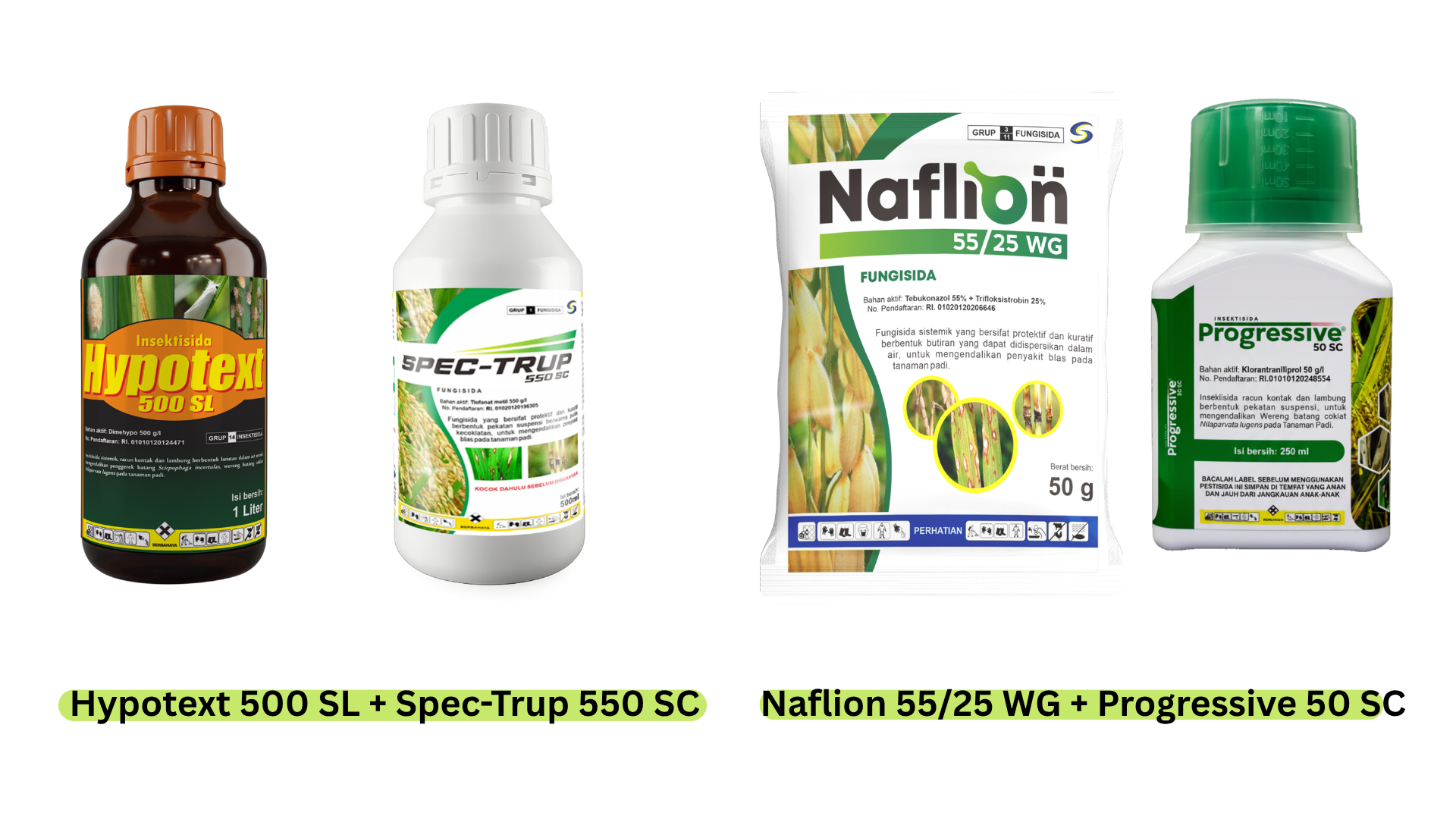
To help with control, SGI Solusi Petani has 2 recommended packages that can be selected according to the target and the condition of pest or disease attacks in the field. For the first package, SGI Friends can combine Hypotext 500 SL + Spec-Trup 550 SC Hypotext 500 SL is an insecticide containing Dimehypo 500 g/L as its active ingredient, at a dose of 2.5 ml/L, while Spec-Trup 550 SC is a fungicide containing Thiophanate Methyl 550 g/L as its active ingredient, used to control blast disease in rice, at a dose of 1.5 ml/L.
For the second package, SGI Friends can combine Naflion 55/25 WG + Progressive 50 SC. Naflion 55/25 WG is a fungicide containing Tebuconazole 55% and Trifloxystrobin 25% as its active ingredients for controlling blast disease, while Progressive 50 SC is an insecticide containing Chlorantraniliprole 50 g/L as its active ingredient, used to control pests in rice crops, at a dose of 2 ml/L. Select the package according to the target OPT found in the field, and use each product according to its dosage and label instructions.
b. Rice Care at 30 HST
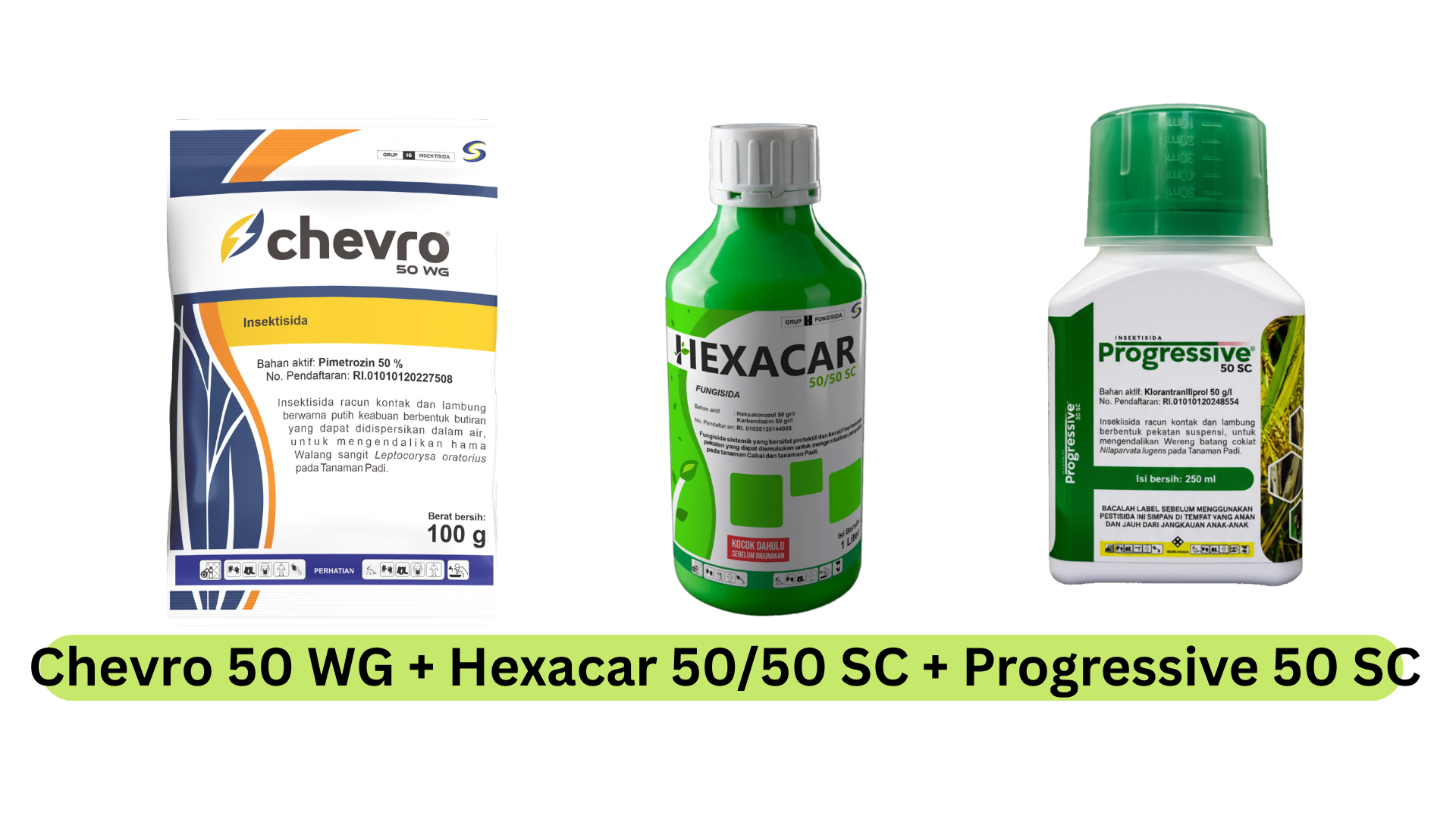
At 30 HST, rice plants are generally in the active tillering phase and are approaching maximum tiller formation. During this phase, SGI Friends need to monitor crop conditions, especially weeds, pests, and diseases that may interfere with rice growth. If an infestation or infection requiring control is found, SGI Solusi Petani provides products that can be used according to their respective targets and dosages, namely Hexacar 50/50 SC + Chevro 50 WG + Progressive 50 SC. These three products can be combined in one crop care program to help control diseases and pests in rice crops.
Hexacar 50/50 SC is a systemic fungicide with protective and curative properties, containing Hexaconazole 50 g/L and Carbendazim 50 g/L as its active ingredients. This product is used to control sheath blight in rice crops, at a dose of 1 mL/L. Chevro 50 WG is a contact and stomach poison insecticide in the form of water-dispersible granules, containing Pymetrozine 50% as its active ingredient. This product is used to control rice bugs (Leptocorysa oratorius) in rice crops, at a dose of 0.5 g/L. Progressive 50 SC is a contact and stomach poison insecticide in suspension concentrate form, containing Chlorantraniliprole 50 g/L as its active ingredient. This product is used to control pests in rice crops, at a dose of 2 ml/L.
With the combination of Chevro 50 WG + Hexacar 50/50 SC + Progressive 50 SC, SGI Friends can carry out rice crop care while taking into account the condition of pest and disease attacks in the field and following the dosage and usage instructions stated on each product label.
4. GENERATIVE PHASE: Booting and Panicle Formation
a. Rice Care at 40–55 HST
At 40–55 HST, rice plants begin to enter the generative phase, namely the booting and panicle formation stages. During this stage, SGI Friends need to pay attention to crop conditions because diseases such as sheath blight, leaf spot, bacterial leaf blight, sheath spot, and stem rot may appear, especially under humid environmental conditions. Regular crop monitoring is important so that attacks can be handled promptly according to field conditions.
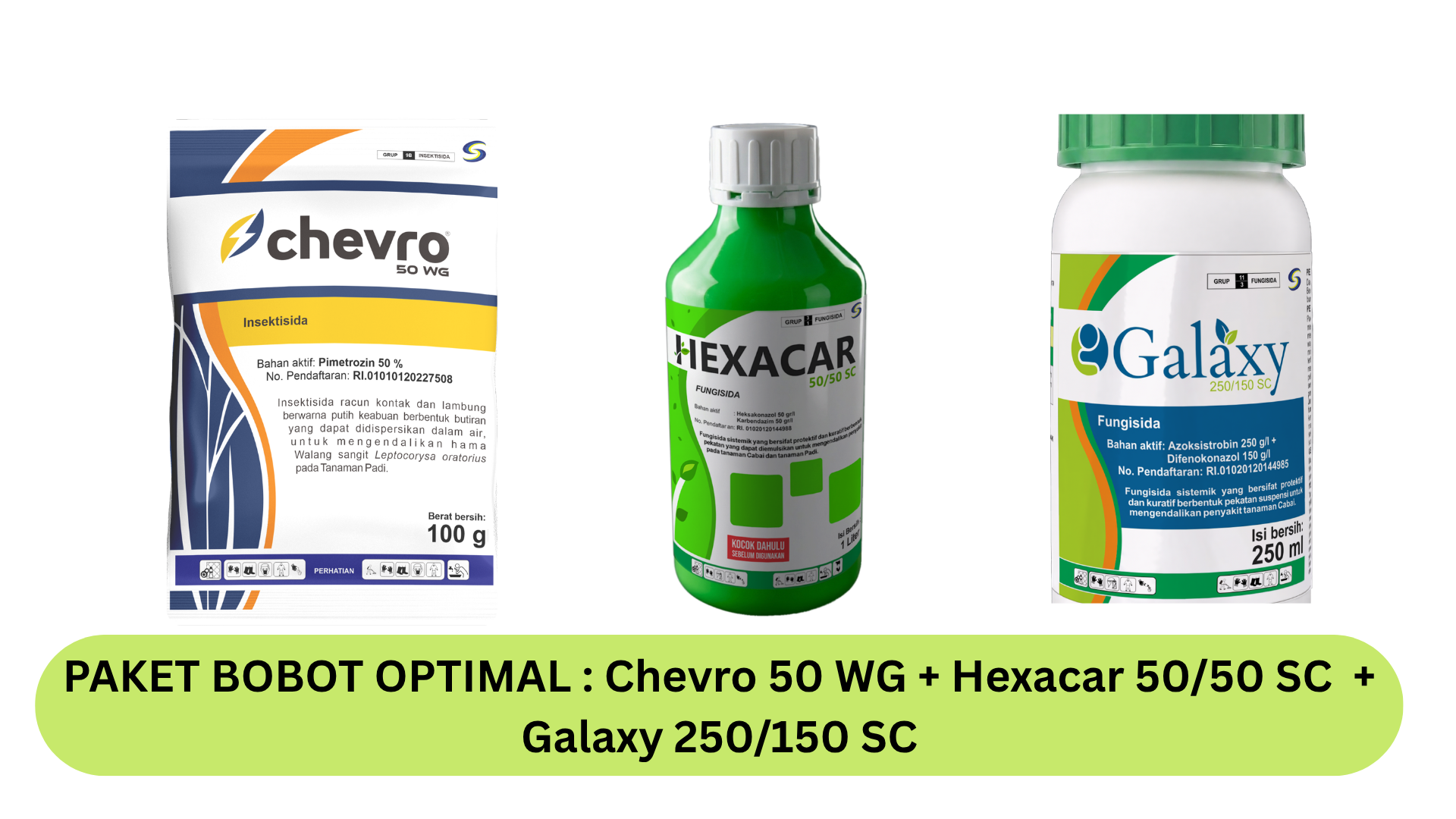
To help manage rice crops during this phase, SGI Solusi Petani provides the Bobot Optimal Package, consisting of Chevro 50 WG + Hexacar 50/50 SC + Galaxy 250/150 SC. These three products have different control targets and can therefore be used according to crop conditions and needs.
Hexacar 50/50 SC is a systemic fungicide with protective and curative properties, containing Hexaconazole 50 g/L and Carbendazim 50 g/L as its active ingredients, used to control sheath blight in rice crops, at a dose of 1 mL/L. Meanwhile, Galaxy 250/150 SC is a systemic fungicide with protective and curative properties, containing Azoxystrobin 250 g/L and Difenoconazole 150 g/L as its active ingredients, at a dose of 1.5–2 mL/L, used to control diseases in crops. In addition to disease control, SGI Friends can also use Chevro 50 WG to control rice bugs (Leptocorysa oratorius) in rice crops. Chevro 50 WG is a contact and stomach poison insecticide containing Pymetrozine 50% as its active ingredient, at a dose of 0.5 g/L.
 b. Rice Care at 70 HST
At 70 HST, rice plants begin to enter the grain-filling stage and move toward maturity. During this phase, SGI Friends need to pay closer attention to plant and grain conditions because disease attacks can still interfere with grain filling and affect harvest quality. Diseases such as bacterial leaf blight, neck blast, stem rot, and sheath blight need to be monitored so they do not disrupt the crop as it approaches harvest.
One important aspect during this phase is maintaining healthy plants and grains until just before harvest. Disease disturbances during the grain-filling and ripening stages can affect grain quality, including the appearance of dirty or poorly filled grains. Therefore, proper disease control can help maintain healthy plants and panicles so that the grain-filling process can proceed properly and produce cleaner, clearer, and fuller grains.
SGI Solusi Petani provides Bleacher 250 EC, a systemic fungicide with preventive and curative properties containing Difenoconazole 250 g/L as its active ingredient. Bleacher 250 EC can be used to help control diseases in rice crops at a dose of 2–2.5 mL/L. When plants and panicles remain protected from disease disturbances, the grain-filling process can proceed better, helping to keep the grains clean and clear until harvest. The use of fungicides according to their target and dosage helps protect the crop from disease disturbances during the grain-filling stage until just before harvest.
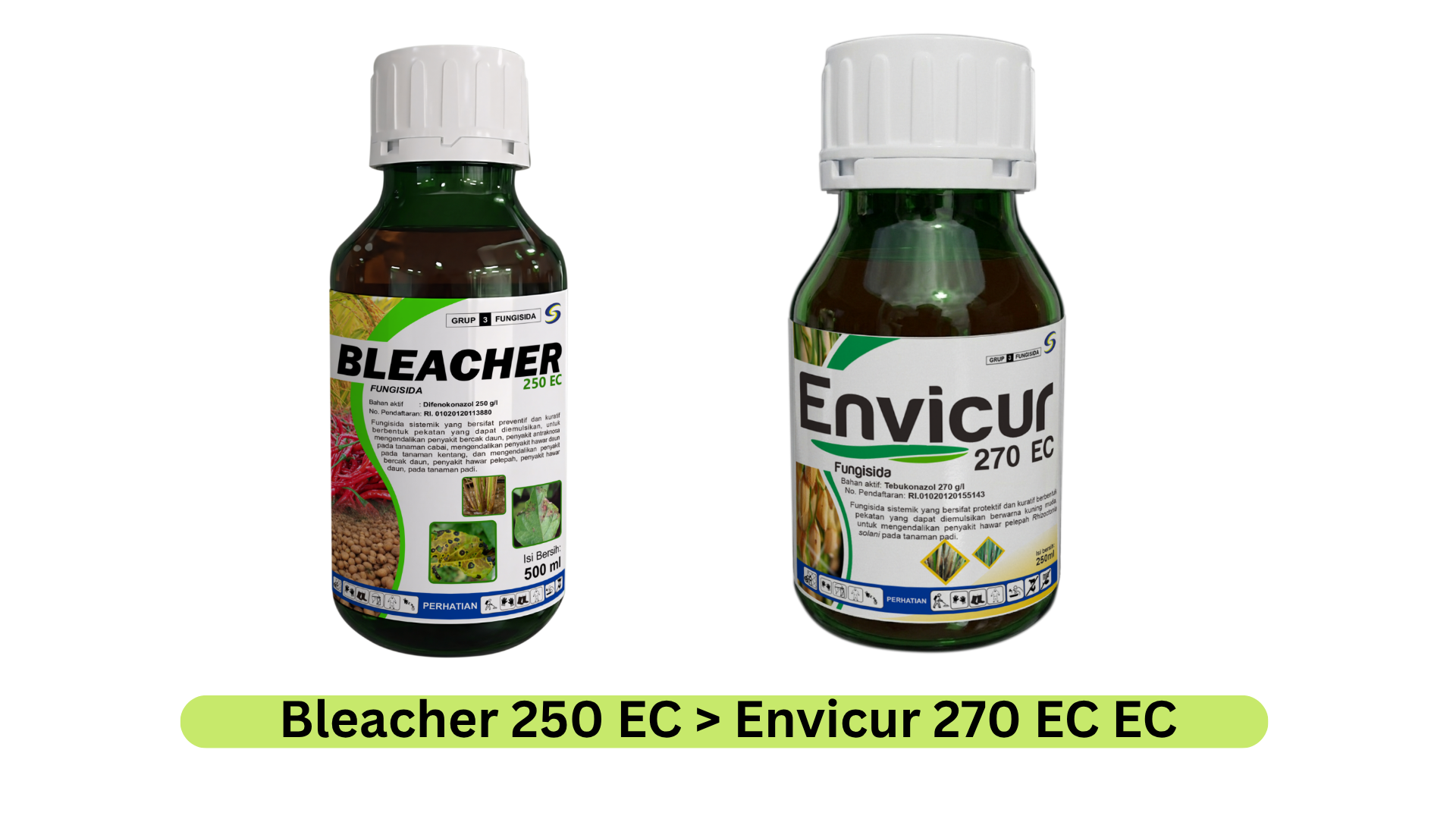
In addition, Envicur 270 EC is a systemic fungicide with protective and curative properties containing Tebuconazole 270 g/L as its active ingredient, used to control sheath blight (Rhizoctonia solani) in rice crops, at a dose of 2 mL/L. The use of Bleacher 250 EC and Envicur 270 EC according to their targets and dosages can be part of crop care during the grain-filling phase to help maintain plant health, support grain filling, and preserve grain quality before harvest.
With proper crop care and disease control according to plant conditions, SGI Friends can help maintain the grain-filling process so that the grains become clearer, fuller, and the quality of the harvest remains well maintained.
Let’s go, SGI Friends, keep the crops healthy until the end of the growing period so that the grains fill properly, become clearer and fuller, and are ready to deliver optimal harvest results together with SGI Solusi Petani!
Related Articles
 Rice Plant
26 August 2026
Rice Plant
26 August 2026
 Rice Plant
26 August 2026
Rice Plant
26 August 2026
 Rice Plant
20 April 2026
Rice Plant
20 April 2026
Related Products
-
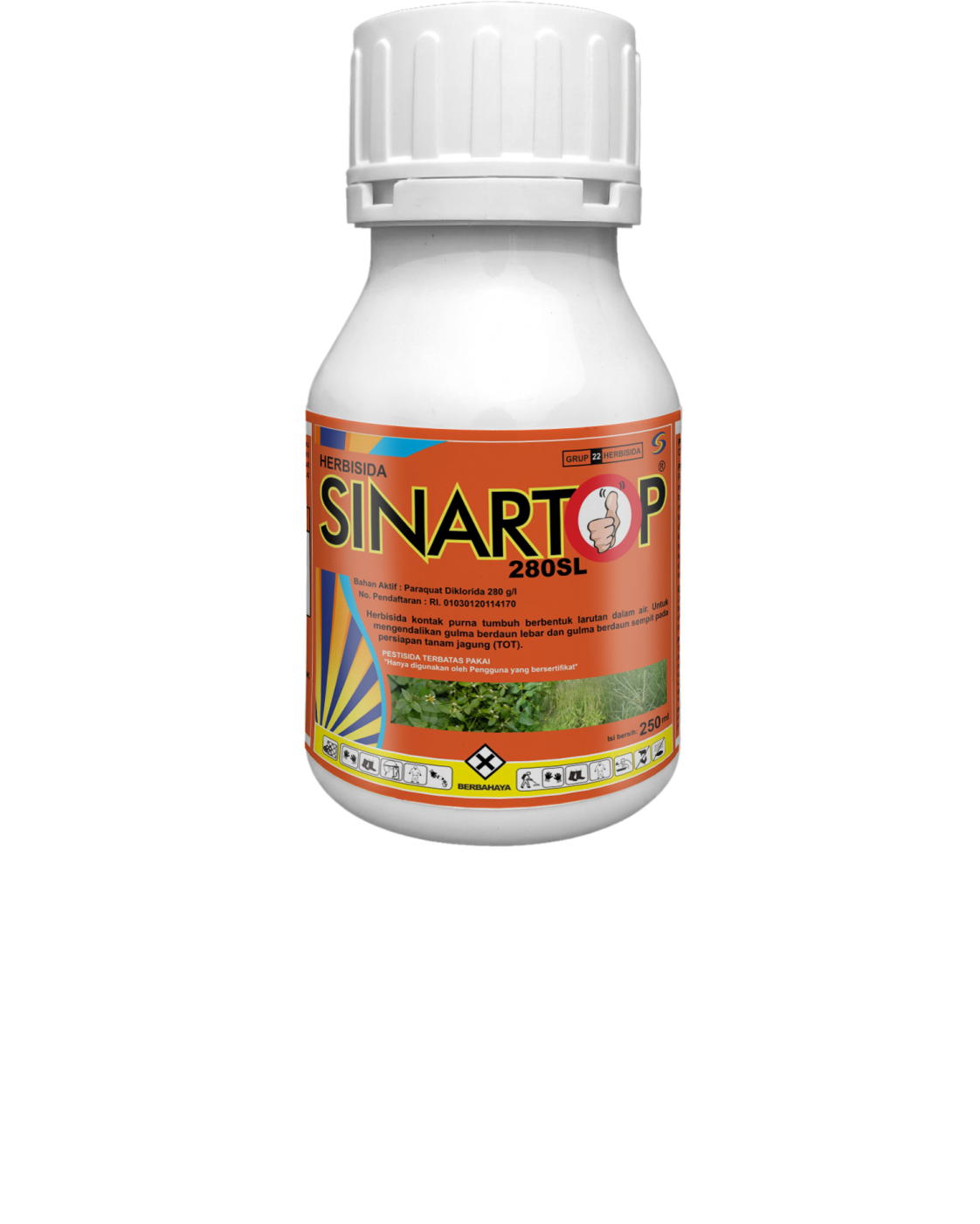


Herbicide
Sinartop 280 SL
Paraquat Dichloride 280 g/l
-
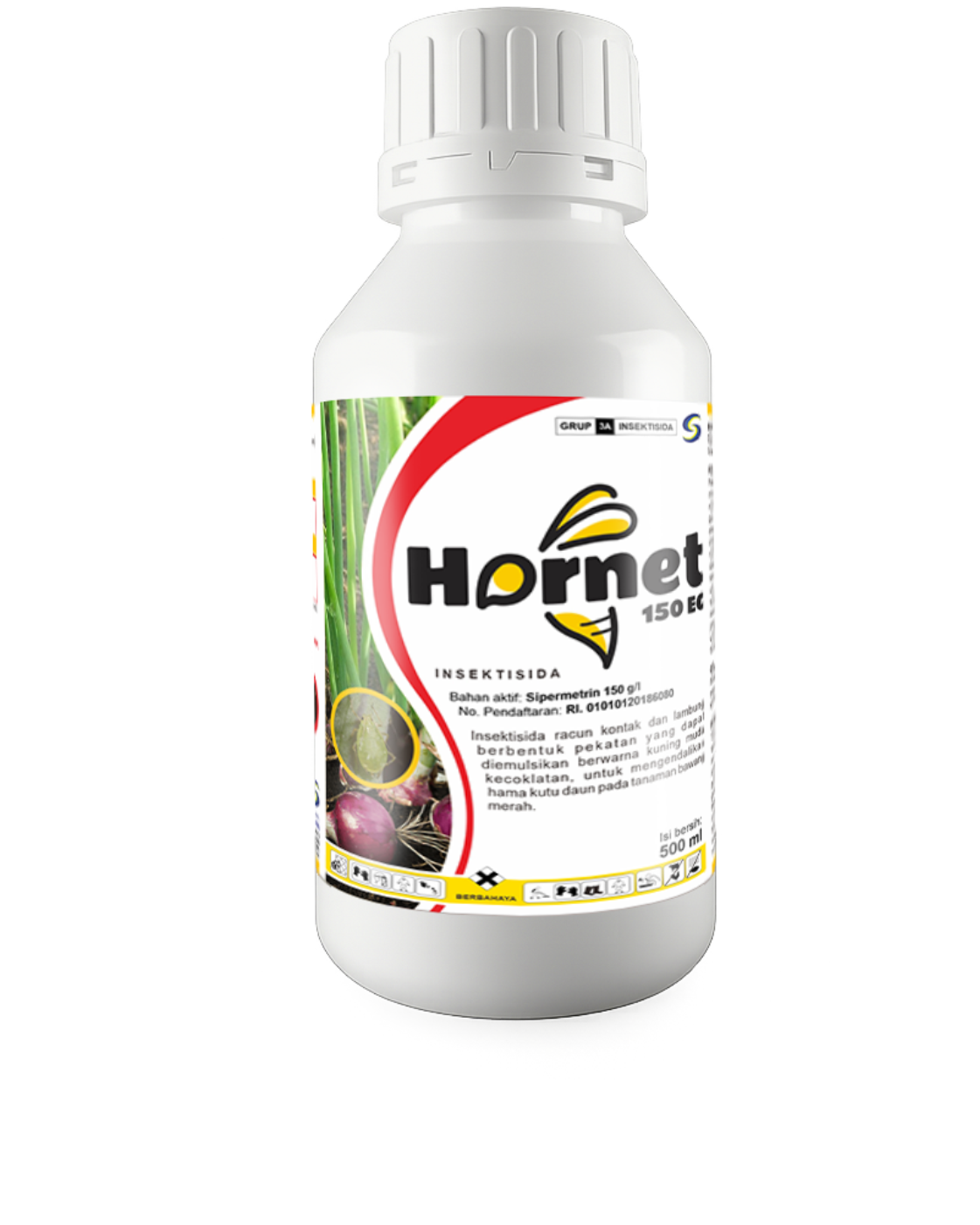

Insecticide
Hornet 150 EC
Cypermethrin 150 g/l
-
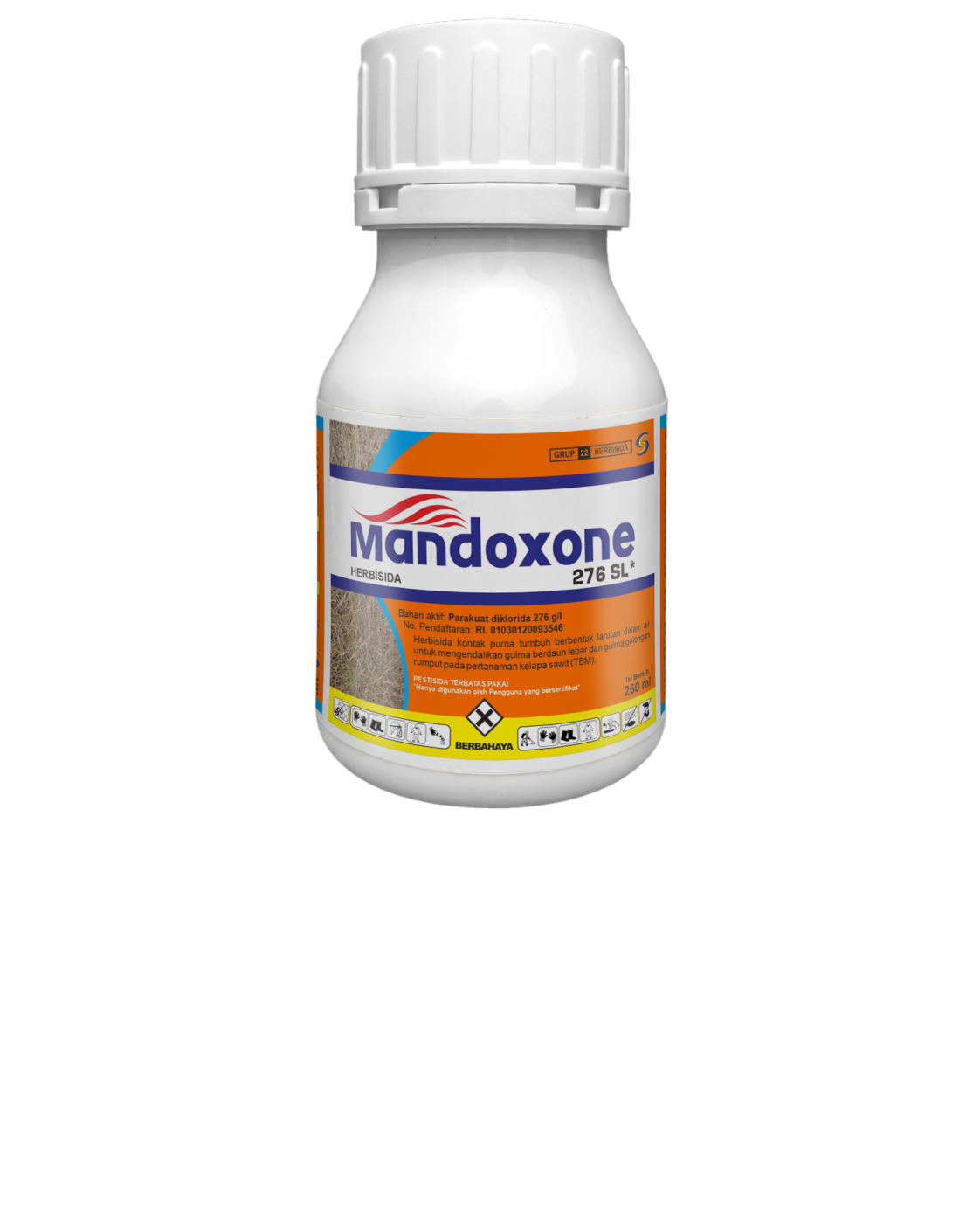

Herbicide
Mandoxone 276 SL
Parakuat diklorida 276 g/l
-
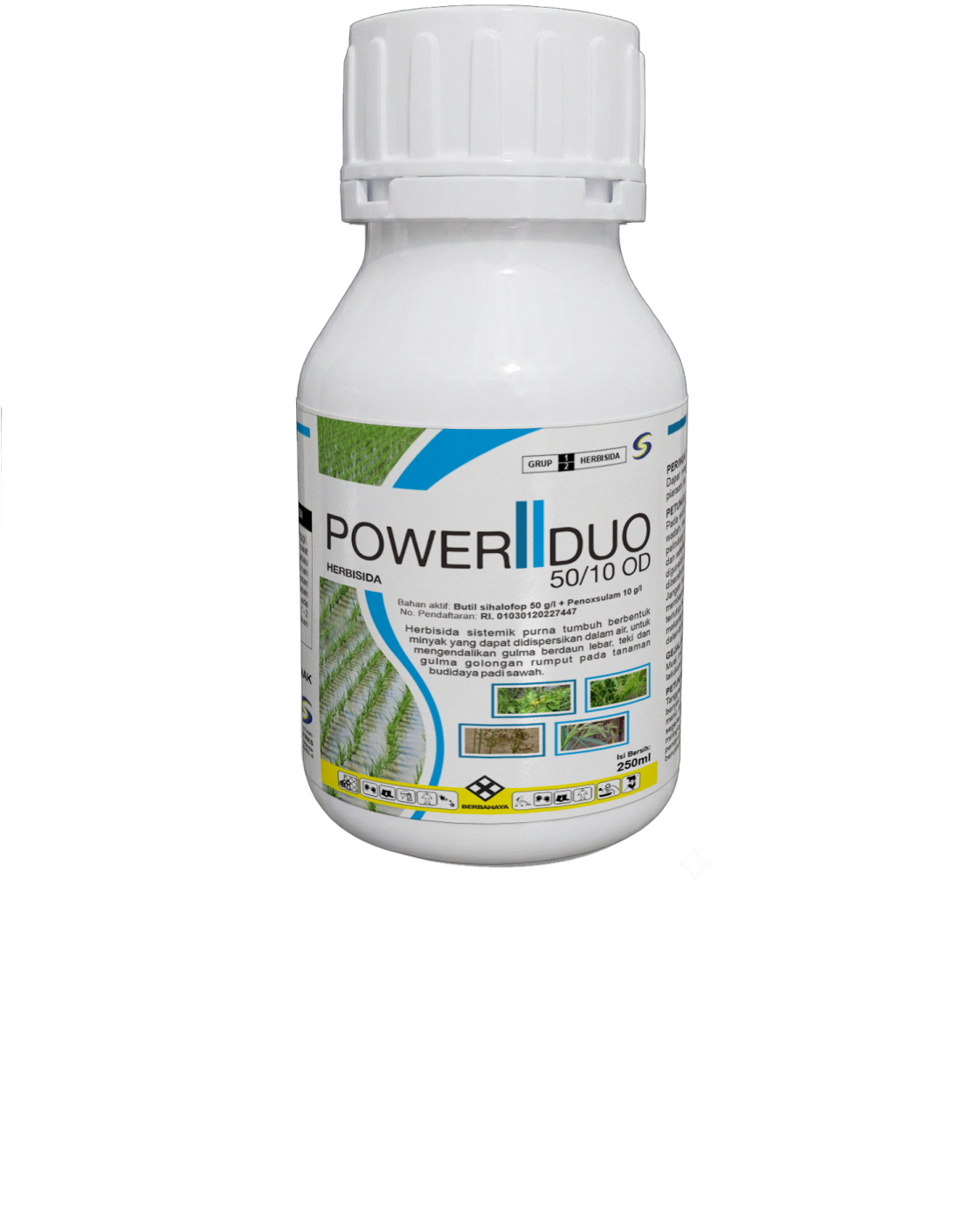

Herbicide
Power Duo 50/10 OD
Cyhalofop Butyl 50 g/l
Penoxsulam 10 g/l
-
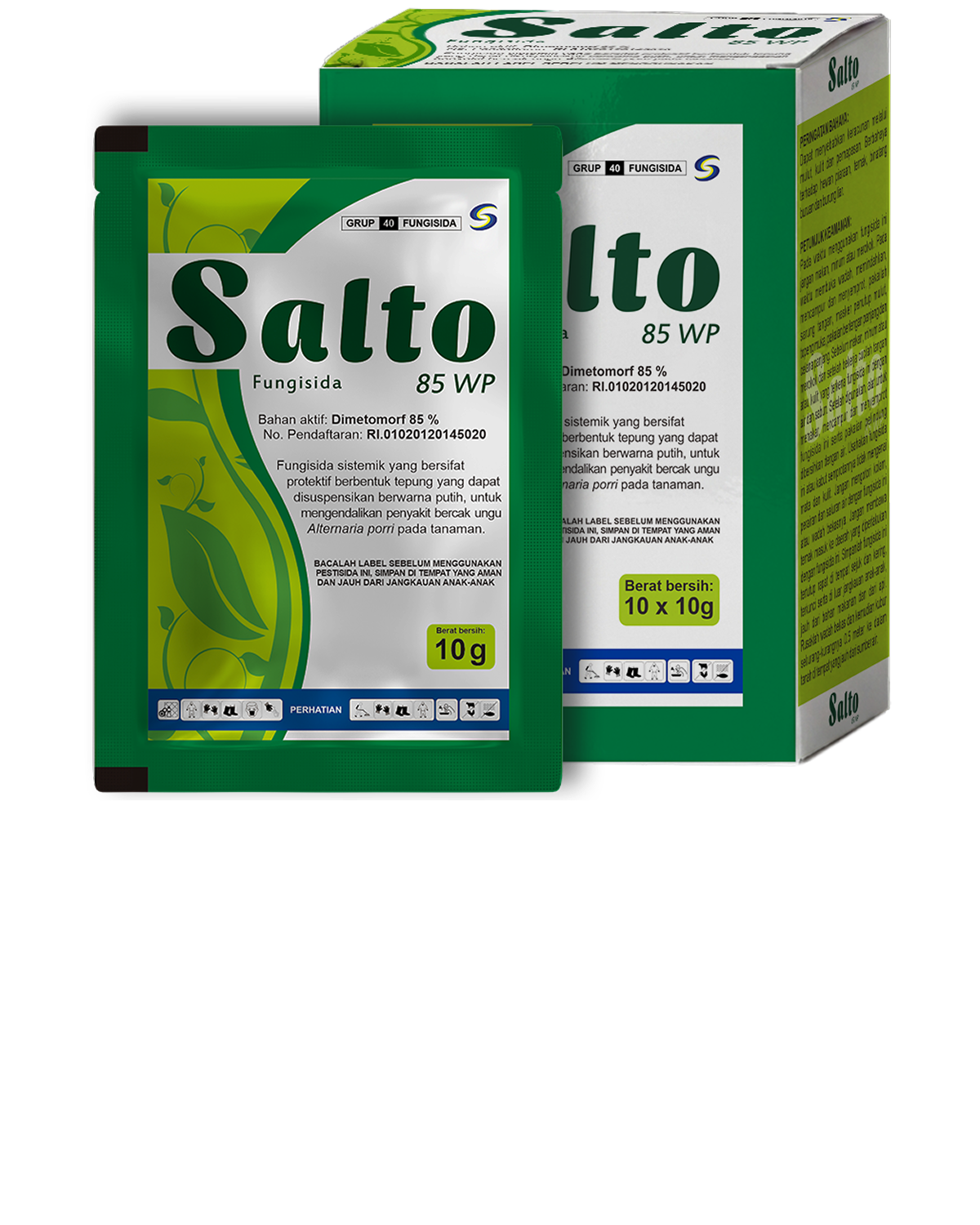

Fungicide
Salto 85 WP
Dimethomorph 85%
-

Insecticide
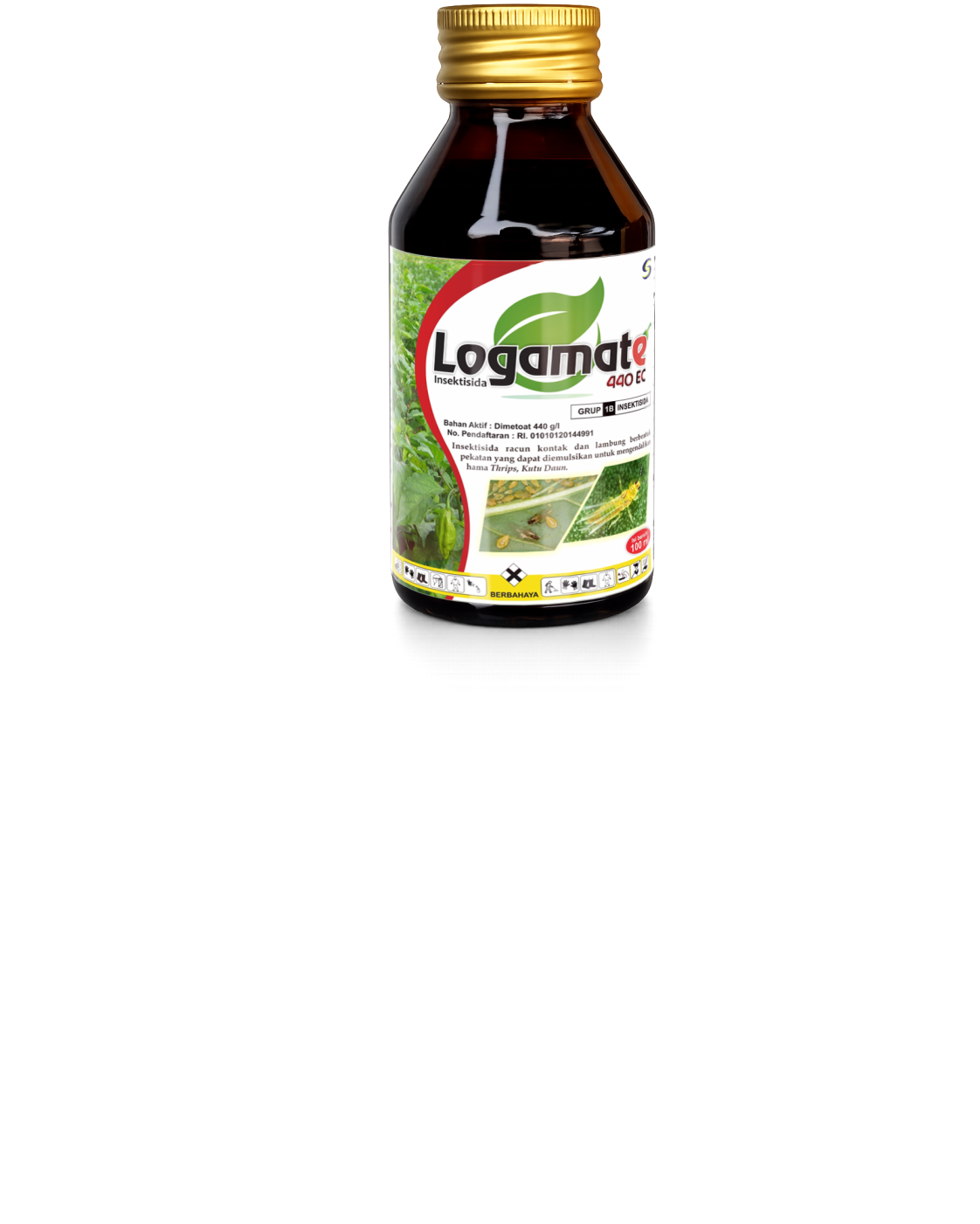
Logamate 440 EC
Dimethoate 440 g/l